

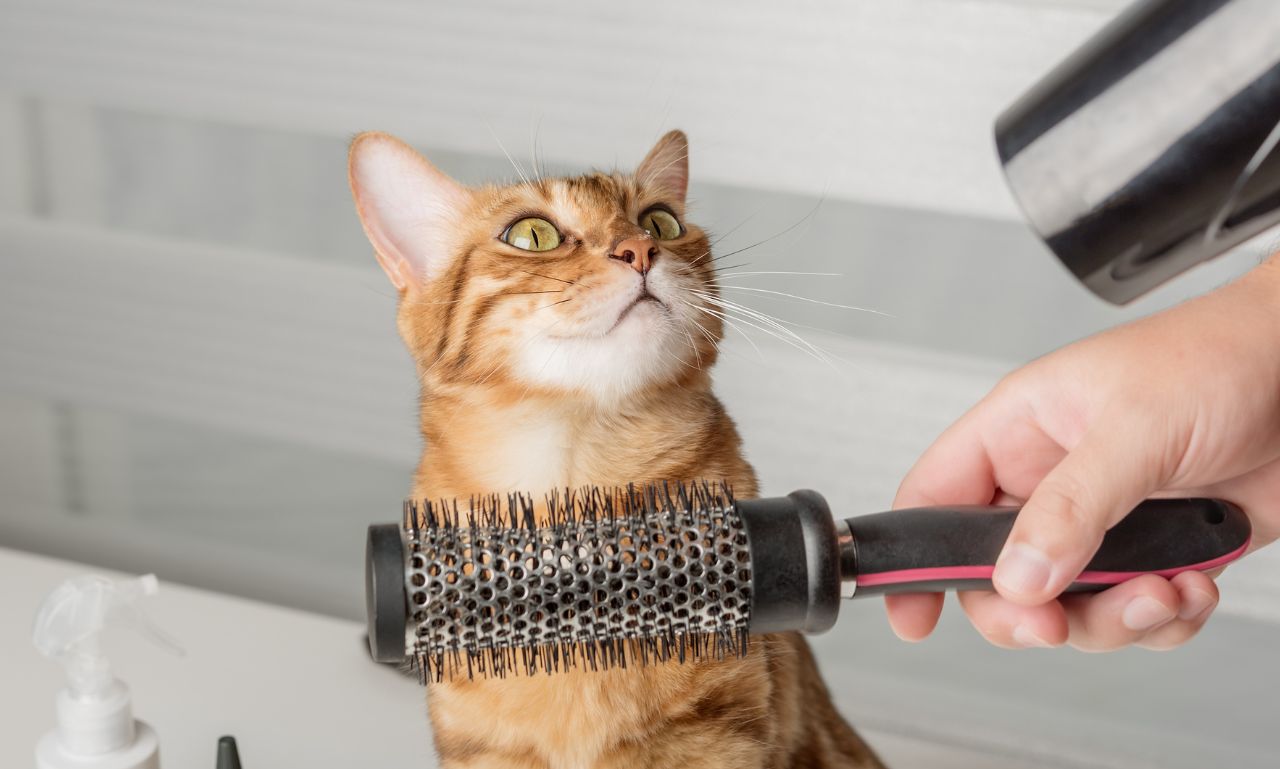
Cats are known for being meticulous groomers. Spend a few minutes watching your feline friend, and you’ll probably see them licking their paws, cleaning their face, or smoothing down their fur. That’s why many cat owners are surprised when their pet reacts negatively to brushing.
You pull out a brush expecting a relaxing bonding session, but instead, your cat bolts from the room, swats at the brush, or gives you a look that says, “Absolutely not.”
If this sounds familiar, you’re not alone. One of the most common questions cat owners ask is: Why Do Some Cats Hate Being Brushed? The answer isn’t always straightforward. Every cat has a unique personality, history, and comfort level with handling.
In many cases, brushing aversion has little to do with stubbornness. Instead, it often comes down to instinct, past experiences, physical discomfort, or how a cat perceives the grooming process.
Understanding what’s behind the behavior can help you create a more positive experience for both you and your furry companion.
How a Cat’s Natural Instincts and Personality Affect Grooming Tolerance
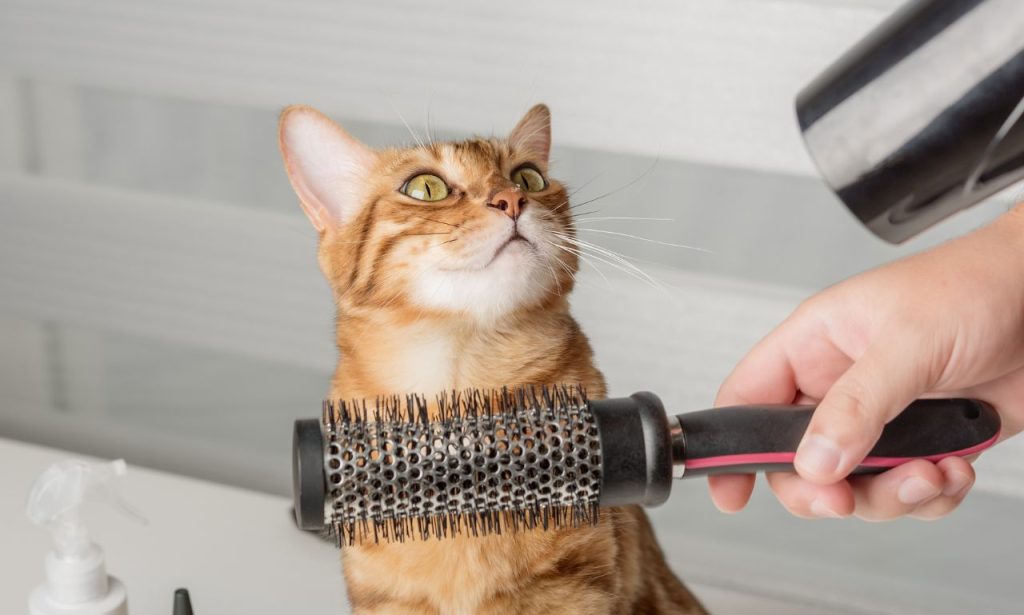
Just like people, cats have different comfort zones.
Some cats crave attention and seem perfectly happy being handled. Others prefer affection on their own terms. A brush can feel invasive to cats that value personal space.
Animal behaviorists often point out that cats are both predators and prey animals. Because of this dual role, they tend to be highly aware of physical sensations and potential threats in their environment.
A confident cat may see a brush as harmless. A cautious or anxious cat may view it as something that limits their ability to escape if danger appears.
Personality also plays a significant role. If you’ve owned multiple cats, you’ve probably noticed how different they can be. One cat may happily flop onto their side for a grooming session, while another disappears the moment they spot the brush.
That difference isn’t unusual. It’s simply part of what makes cats such fascinating companions.
Negative Past Experiences That Can Create a Fear of Brushing
Cats have excellent memories, especially when an experience causes stress.
Imagine brushing through a painful mat or pulling on tangled fur. Your cat may not understand that you’re trying to help. Instead, they remember that the brush caused discomfort.
The next time it appears, they prepare for the same unpleasant experience.
Veterinarians frequently see cats that develop grooming anxiety after a single negative incident. Sometimes the problem begins during kittenhood. Other times it develops later in life after a painful grooming session.
A rescue cat may also arrive with unknown experiences from a previous home. If brushing was handled roughly in the past, rebuilding trust can take time.
This is why patience matters. Every positive interaction helps replace old associations with better ones.
Could Brushing Be Causing Your Cat Pain or Discomfort?
When a cat suddenly begins resisting grooming, it’s worth considering whether the issue is physical rather than behavioral.
Cats are masters at hiding pain. What looks like bad behavior may actually be an attempt to communicate discomfort.
Skin Sensitivity, Mats, and Underlying Health Conditions That Make Brushing Unpleasant
One of the most common causes of brushing resistance is matted fur.
Mats pull tightly against the skin, creating constant tension. Running a brush through them can feel painful, especially in long-haired cats.
Skin problems can also make grooming uncomfortable. Flea allergies, infections, dry skin, and environmental allergies may increase sensitivity. A brush moving across irritated skin can feel more like scratching a sunburn than receiving a massage.
Age can be another factor.
Senior cats often develop arthritis, which can make certain positions uncomfortable. A cat that once enjoyed brushing may begin avoiding it because standing still or twisting their body causes pain.
Sometimes the issue has nothing to do with the coat itself. Dental disease, injuries, and other health conditions can make cats more reactive to handling in general.
A sudden change in grooming behavior is often worth discussing with a veterinarian.
How to Recognize Signs of Pain, Stress, or Overstimulation During Grooming
Cats usually provide warning signs before they resort to scratching or biting.
A flicking tail is often one of the first clues. Flattened ears, dilated pupils, tense muscles, and low growls may follow.
Some cats experience overstimulation during grooming sessions. They seem content at first, then abruptly react after a few minutes.
Many cat owners have experienced this scenario. The cat appears relaxed, starts purring, and then suddenly turns around and swats.
It feels unexpected, but subtle signals often appear beforehand.
Watching your cat’s body language carefully can help you end the session before it reaches that point.
Are Certain Cats More Likely to Hate Being Brushed?
The short answer is yes.
While any cat can dislike grooming, some factors make brushing resistance more likely.
Differences Between Long-Haired and Short-Haired Cats When It Comes to Grooming
Long-haired cats generally require more grooming maintenance than short-haired breeds.
Persians, Maine Coons, and Himalayan cats can develop tangles and mats quickly. As a result, brushing sessions tend to be longer and more frequent.
Ironically, the cats that need grooming most aren’t always the ones that enjoy it.
Short-haired cats often handle their grooming needs independently. Because they don’t require as much assistance, they may be less accustomed to regular brushing.
Still, plenty of short-haired cats love the attention and massage-like sensation that certain brushes provide.
Coat type influences grooming needs, but it doesn’t completely determine whether a cat will enjoy the experience.
How Age, Breed, and Temperament Influence Brushing Acceptance
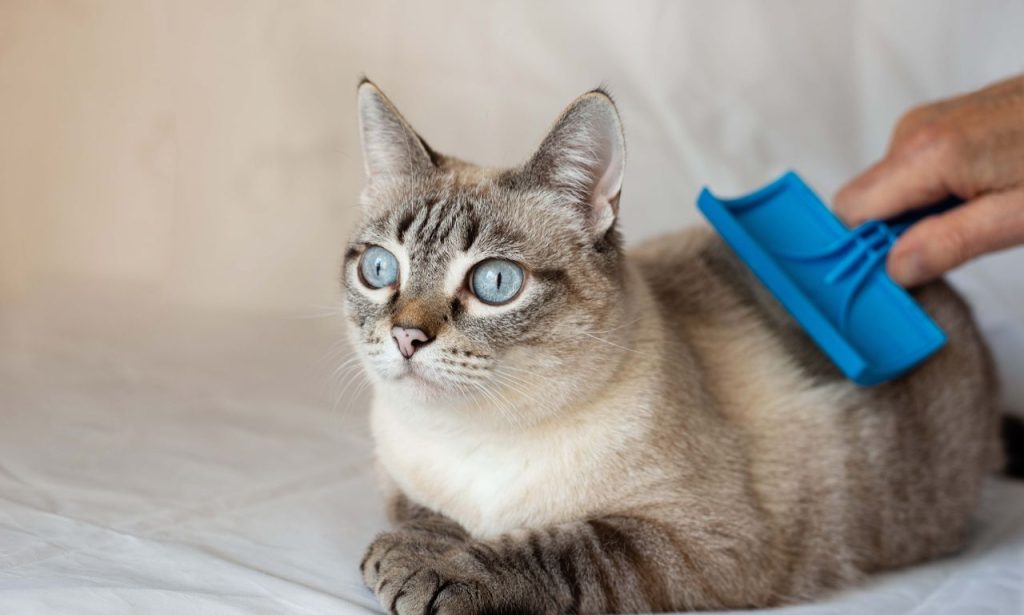
Kittens introduced to brushing early often adapt more easily.
When grooming becomes part of their routine from a young age, they learn that it’s a normal and safe activity.
Breed tendencies may also play a role. Ragdolls, for example, are generally known for their relaxed nature. Some more independent breeds may require additional patience.
Temperament remains the biggest factor.
Every cat is an individual. Two cats from the same litter can have completely different reactions to grooming despite growing up in the same environment.
That’s part of the charm of living with cats. They constantly remind us that they have minds of their own.
How Can You Make Brushing a Positive Experience for Your Cat?
The good news is that many cats can learn to tolerate brushing, and some even come to enjoy it.
Success usually comes from changing the experience rather than forcing the behavior.
Choosing the Right Brush and Grooming Tools for Your Cat’s Coat Type
Not all brushes feel the same.
A brush designed for a thick double coat may feel uncomfortable on a short-haired cat. Likewise, a tool that’s too harsh can irritate sensitive skin.
Rubber grooming brushes are popular because they feel gentle and often mimic the feel of petting. Slicker brushes work well for removing loose fur in many long-haired breeds.
Finding the right tool sometimes requires trial and error.
Many cat owners discover that their cat hates one brush but happily accepts another.
Step-by-Step Techniques to Help a Reluctant Cat Accept Brushing
Start small.
Allow your cat to investigate the brush before using it. Let them sniff it and become familiar with its presence.
Begin with a single gentle stroke, then reward them with praise or a favorite treat.
Short sessions work best. A minute or two is often enough in the beginning.
Over time, gradually increase the duration while monitoring your cat’s comfort level.
Timing can make a surprising difference as well. Many cats are more receptive after a meal or during a relaxed moment in the evening.
Think of it as building trust rather than completing a task.
The goal isn’t to finish brushing the entire cat immediately. The goal is to help your cat feel safe.
What Happens If You Stop Brushing a Cat That Hates It?
Some owners decide the struggle isn’t worth it and stop brushing altogether.
Whether that’s a problem depends largely on the individual cat.
Potential Consequences of Inadequate Grooming, Including Mats and Hairballs
For long-haired cats, skipping grooming can lead to serious matting.
Mats don’t just affect appearance. They can pull painfully on the skin, trap moisture, and even contribute to infections.
Hairballs may become more frequent as well.
Cats naturally swallow loose fur while grooming themselves. Regular brushing helps remove excess hair before it reaches the digestive system.
Another concern involves hidden health issues. Grooming sessions often help owners notice skin problems, lumps, parasites, or injuries that might otherwise go unnoticed.
Alternative Grooming Methods and When to Seek Professional Help
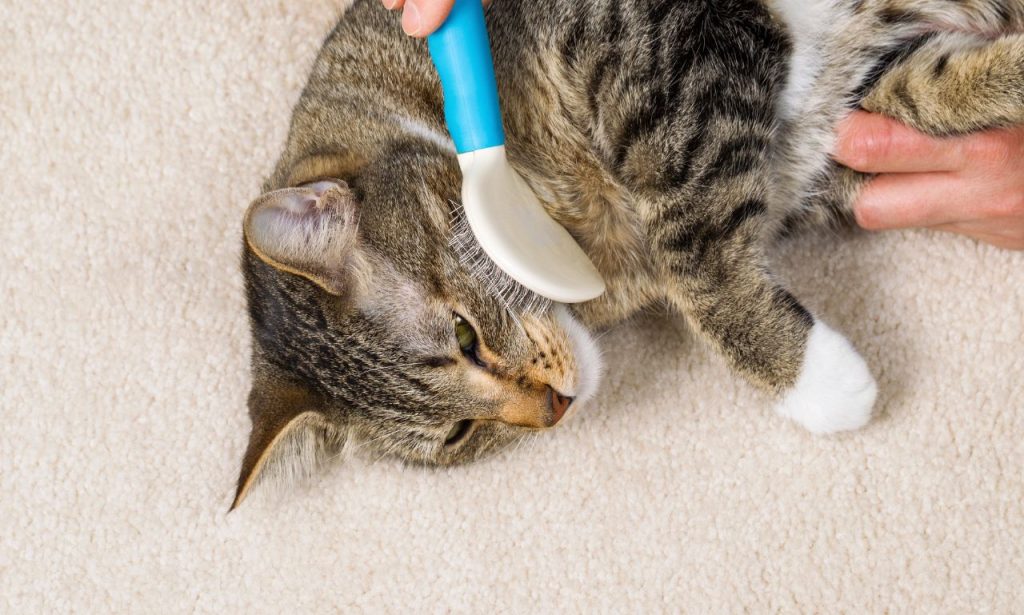
Fortunately, brushing isn’t the only option.
Some cats tolerate grooming gloves better because they feel similar to petting. Others respond well to grooming wipes or professional grooming services.
Professional cat groomers have experience working with nervous cats and may be able to manage grooming sessions more effectively.
If your cat suddenly begins resisting brushing after years of acceptance, schedule a veterinary checkup.
Behavior changes often have an underlying cause, and identifying it early can prevent bigger problems later.
Conclusion
If you’ve ever wondered, Why Do Some Cats Hate Being Brushed?, the answer usually comes down to a combination of instinct, personality, past experiences, and physical comfort.
Cats aren’t trying to be difficult. They’re simply responding to how the grooming process feels from their perspective.
A brush that feels soothing to one cat may feel uncomfortable to another. That’s why understanding your cat’s unique preferences is so important.
With patience, the right tools, and a gentle approach, many cats learn to accept grooming, and some even begin to look forward to it.
The next time your cat runs from the brush, take a moment to consider what they’re trying to communicate. You may discover that a small adjustment makes a world of difference.
Also Read: Are Pet Wipes Safe for Everyday Use?
FAQs
Yes. Brushing can cause pain if your cat has mats, skin irritation, injuries, or sensitive areas.
Short-haired cats usually benefit from weekly brushing, while long-haired cats often need grooming several times per week.
Rubber grooming brushes are often a good starting point because they feel gentler and resemble petting.
No. Forcing grooming can increase stress and make future brushing sessions more difficult.
