


Many pets spend most or all of their lives inside, where they are safe but not always stimulated. Knowing what signs a pet is bored indoors can help you recognize small behavior changes before they develop into lasting habits or health concerns.
Understanding Indoor Pet Boredom and Why It Happens

A pet that lives indoors enjoys protection from weather, traffic, predators, and many other dangers. However, indoor life also limits the variety of sights, smells, sounds, and challenges animals naturally experience. Without enough mental and physical stimulation, boredom can slowly replace curiosity.
Boredom is more than having nothing to do. It is a state where an animal cannot satisfy its instincts. Dogs are driven to sniff, explore, solve problems, and interact with people. Cats enjoy stalking, climbing, observing, and hunting, even if their prey is only a feather toy. Small mammals, birds, and reptiles also have species-specific behaviors they need to express.
A relaxed pet rests comfortably but quickly becomes interested when something changes. A bored pet often appears restless or repeatedly searches for stimulation, even if that stimulation leads to unwanted behavior.
Several factors contribute to indoor boredom. Limited exercise, predictable daily routines, long hours alone, few interactive toys, and a lack of social engagement are among the most common reasons. Even homes filled with toys may not provide enough enrichment if those toys never change or challenge the pet.
Behavioral Signs That a Pet Is Bored Indoors
Destructive Habits, Excessive Vocalization, Attention Seeking, and Repetitive Behaviors
One of the clearest signs that a pet is bored indoors is a noticeable behavior change.
Dogs may begin chewing furniture, shoes, remote controls, or table legs. These actions are not always acts of disobedience. They often represent an attempt to relieve frustration or occupy time. Digging at carpets, scratching doors, or pulling cushions apart can serve the same purpose.
Cats may scratch furniture more often, knock objects off shelves, or chase household items to create activity. While these behaviors are natural, they often increase when a cat lacks opportunities to climb, hunt, and explore.
Some pets become unusually vocal. Dogs may bark repeatedly at ordinary sounds or whine even after their basic needs have been met. Cats may meow more frequently, especially during quiet parts of the day when they are seeking attention or stimulation.
Repetitive behaviors also deserve attention. A dog may pace through the same rooms over and over. A cat may repeatedly run from window to window without any obvious reason. Birds might sway, pluck feathers, or repeat the same movements throughout the day. These repetitive patterns can indicate that an animal needs more environmental enrichment.
Withdrawal, Excessive Sleeping, Overeating, Overgrooming, and Other Subtle Warning Signs
Not every bored pet becomes noisy or destructive. Some respond by becoming unusually quiet.
A pet that once greeted family members enthusiastically may seem uninterested in interaction. Others begin sleeping for much of the day, even when they are physically healthy. While pets naturally rest more than humans, excessive inactivity combined with reduced curiosity may point to boredom.
Some animals turn to food for stimulation. They beg constantly, eat very quickly, or gain weight because eating becomes one of the few enjoyable parts of the day.
Overgrooming is another important warning sign. Cats may lick certain areas until the fur becomes thin. Dogs may repeatedly chew or lick their paws. Although allergies and medical conditions must always be ruled out first, boredom can sometimes contribute to these habits.
Owners also notice shorter attention spans during play. A pet may lose interest in familiar toys within minutes because they no longer provide enough challenge.
How Boredom Affects Different Types of Indoor Pets
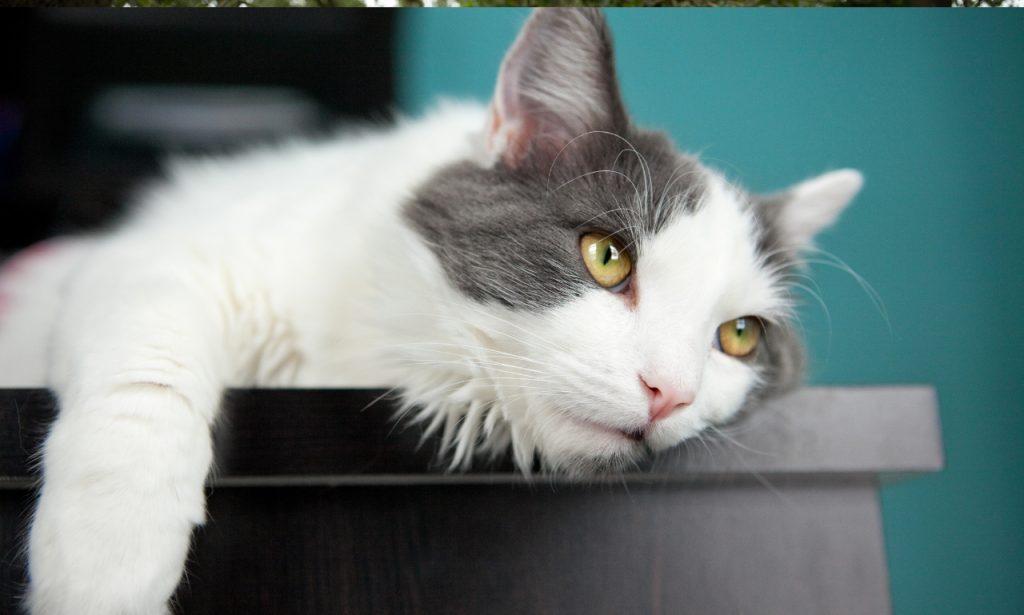
Signs of Boredom in Dogs, Cats, and Other Common Household Pets
Dogs often display boredom through physical activity. They may pace, chew, bark, steal household objects, or constantly seek attention. Working breeds such as Border Collies, Australian Shepherds, and Labrador Retrievers usually need more mental stimulation than many owners expect.
Cats often express boredom differently. Instead of seeking constant attention, they may sleep for long periods, groom excessively, scratch furniture, or become unusually active late at night. Indoor cats especially benefit from opportunities to climb, observe birds through windows, and engage in short hunting-style play sessions.
Small mammals such as rabbits, guinea pigs, and ferrets also become bored. Rabbits may chew cage bars or furniture, while ferrets often become restless without tunnels, hiding places, or supervised exploration.
Pet birds require significant mental stimulation. Without toys, puzzles, and regular interaction, some birds develop feather-damaging behaviors or repetitive movements that can become difficult to reverse.
How Age, Breed, Personality, and Energy Level Influence Boredom Symptoms
Every pet responds differently to the same environment.
Young animals usually require more frequent activity because they are naturally curious and energetic. Puppies and kittens learn through exploration, making daily enrichment particularly important during their early months.
Breed also matters. Herding dogs, hunting breeds, and highly intelligent parrots generally need more complex activities than lower-energy companions.
Personality influences behavior as well. Confident pets often invent their own entertainment, which may include opening cupboards or climbing places they should avoid. More reserved pets may withdraw and become inactive.
Senior pets deserve careful attention too. They often exercise less than younger animals, but they still benefit from gentle games, scent activities, puzzle feeders, and regular interaction. Assuming an older pet only wants to sleep can allow boredom to go unnoticed.
Effective Ways to Prevent and Relieve Indoor Pet Boredom
Daily Enrichment Ideas, Interactive Toys, Puzzle Feeders, Training, and Scent-Based Activities
The best way to reduce boredom is to make each day more interesting rather than simply longer.
Food puzzles encourage pets to think while eating. Instead of finishing a meal in seconds, they spend time solving simple challenges that mimic natural foraging behaviors.
Training sessions also provide excellent mental exercise. Teaching a new cue, practicing existing skills, or introducing simple tricks keeps both dogs and cats mentally engaged. Sessions only need a few minutes to remain effective.
Dogs particularly enjoy scent-based games because their sense of smell is incredibly powerful. Hiding treats around the house encourages natural searching behavior. Cats enjoy similar activities with hidden treats or toys that imitate prey movement.
Rotating toys every few days also helps. A pet often finds an old toy exciting again after it has been out of sight for a while.
Creating a Stimulating Indoor Environment with Play Routines, Climbing Spaces, and Social Interaction
Environment plays a major role in preventing boredom.
Cats appreciate vertical space. Cat trees, shelves, and window perches allow them to climb, observe, and rest from elevated positions.
Dogs benefit from structured routines that include walks, play sessions, training, and quiet relaxation. Predictable schedules provide security while varied activities prevent monotony.
Window views can offer valuable entertainment. Watching birds, squirrels, people, or changing weather provides visual stimulation throughout the day.
Human interaction remains one of the most valuable forms of enrichment. Even ten minutes of focused play often provides more satisfaction than leaving numerous toys scattered across the floor.
Households with multiple compatible pets may also reduce boredom through companionship, although introducing another animal should never be considered the only solution.
When Boredom May Actually Be a Health or Behavioral Problem

How to Tell the Difference Between Boredom, Anxiety, Stress, and Separation-Related Behaviors
Some behaviors linked to boredom also appear with medical or emotional conditions.
Separation anxiety usually occurs when owners leave the home and often includes panic-driven behaviors such as frantic barking, attempts to escape, or destructive chewing near doors and windows.
Stress may develop after changes such as moving house, introducing another pet, or changes in routine. Medical issues including arthritis, allergies, digestive disorders, or hormonal conditions can also affect behavior.
The timing of the behavior offers useful clues. If unwanted habits disappear after exercise, enrichment, or play, boredom may be a major factor. If behaviors continue regardless of activity, further investigation is needed.
When Unusual Behaviors Require a Veterinary or Animal Behavior Specialist Evaluation
Owners should seek professional advice whenever behavioral changes appear suddenly, become severe, or are accompanied by signs of illness.
Weight loss, appetite changes, persistent vomiting, limping, hair loss, excessive scratching, or repeated self-injury should always be evaluated by a veterinarian before assuming boredom is responsible.
If medical causes are ruled out, a certified animal behavior specialist can identify environmental triggers and recommend practical solutions tailored to the individual pet.
Addressing boredom early usually prevents small habits from becoming deeply established behavioral problems.
Conclusion
Understanding the signs that a pet is bored indoors helps owners respond before frustration affects their pet’s health and happiness. Changes such as destructive behavior, excessive sleeping, constant vocalization, overgrooming, or unusual withdrawal often signal that an animal needs greater mental and physical stimulation rather than punishment.
Most indoor pets thrive when their daily routine includes exercise, enrichment, exploration, and meaningful interaction with the people they trust. A stimulating environment supports not only better behavior but also long-term physical health and emotional well-being.
Also Read: What Does It Mean When Dogs Sigh Loudly?
Frequently Asked Questions
Yes. Pets often lose interest if the same toys remain available all the time without variety.
It depends on the species, age, and breed, but most pets benefit from several short interactive sessions daily.
Yes. Puzzle feeders encourage natural problem-solving and slow eating for both species.
Yes. Long-term boredom may contribute to obesity, stress-related behaviors, and reduced overall well-being.
Not necessarily. Another pet should be chosen for compatibility, not simply as a cure for boredom.
