

If you live with a dog or cat, you already know cleanliness is not always a priority for them. Your dog may come back from a walk with muddy paws like they just finished a farm shift. Your cat may jump into dusty corners and act as if nothing happened. Then there are drool marks, food stains, dirty paws, and that mysterious “outside smell” pets somehow collect in minutes.
This is where pet wipes feel like a small miracle. They are quick, easy, and far less dramatic than dragging your pet into the bathtub. For many pet parents, they are the grooming version of keeping wet tissues in the car.
But the big question remains: Are Pet Wipes Safe for Everyday Use? In most cases, yes, pet wipes can be safe for daily use when they are made for pets and used correctly. The real issue is not just how often you use them. It is what is inside them, where you use them, and how your pet’s skin reacts.
Let’s break it down in a simple, practical way.
What Are Pet Wipes and What Are They Designed For?
Pet wipes are soft, pre-moistened cloths made to clean dogs and cats between baths. They are designed to remove dirt, loose hair, odor, pollen, saliva stains, and light messes from your pet’s coat and skin. Think of them as a quick cleanup tool, not a full grooming replacement.
Most pet owners use them after walks, outdoor play, vet visits, car rides, or messy meals. They are especially useful for cleaning your dog’s paws before they jump on the couch or bed. Anyone who has watched a white dog run through wet grass knows how fast those paws can turn brown.
They can also help pets that need extra care. Senior dogs may struggle to groom themselves. Cats with weight issues may not reach certain areas easily. Dogs with face folds, like Bulldogs and Pugs, often need regular cleaning around wrinkles because moisture and debris can build up there.
Pet wipes work by lifting surface dirt and odor from the coat. Some also include soothing ingredients that support the skin. Used the right way, they can make everyday pet care easier and less stressful.
How Pet Wipes Differ from Baby Wipes and Human Wet Wipes
A common mistake is using baby wipes on pets. It sounds harmless because baby wipes are made for sensitive human skin. But pets are not tiny humans in fur coats.
Dogs and cats have different skin needs. Their skin pH differs from ours, and products made for people can disrupt their natural skin barrier. This may lead to dryness, itching, redness, or irritation.
Human wipes may also contain fragrances, alcohol, preservatives, or cleansing agents that are not ideal for pets. Cats need extra caution because they lick their fur often. Any residue left behind can end up in their mouth.
Pet wipes differ because they are usually formulated with animal-safe ingredients. Good ones are gentle, alcohol-free, and designed for regular contact with fur and skin. So, when choosing between baby wipes and pet wipes, pet wipes are the safer choice.
Are Pet Wipes Safe for Daily Use on Dogs and Cats?
Benefits of Using Pet Wipes Every Day
Daily pet wipes can be helpful for many dogs and cats, especially when used lightly. They are great for removing dirt, pollen, and allergens before they settle into the coat. This can be useful during allergy season when pets bring outdoor irritants into the house.
They also help with odor control. Some dogs can smell like they have been hosting a backyard barbecue after only ten minutes outside. A quick wipe can freshen them up without needing a full bath.
Pet wipes are also useful for hygiene. Cleaning paws after walks may reduce the dirt and germs your pet tracks indoors. If your pet sleeps on your bed or lounges on your sofa, this small habit can make a big difference.
For older pets, wipes can be a gentle way to keep them clean without forcing them into stressful baths. They are also helpful for pets recovering from surgery, as long as your vet approves their use.
So, Are Pet Wipes Safe for Everyday Use? Yes, when they are pet-safe, gentle, and used for light cleaning. The key is moderation and watching how your pet responds.
Potential Risks of Overusing Pet Wipes on Pets
Even a good product can cause problems when used too much. Over-wiping may remove natural oils from your pet’s skin. These oils help protect the coat and keep the skin healthy.
Friction can also irritate sensitive areas. If you scrub instead of gently wiping, your pet may develop redness or discomfort. Areas like the belly, face, and paws can be more sensitive than they look.
Some pets may react to certain ingredients. Signs of irritation include itching, licking, redness, bumps, flaky skin, or sudden discomfort after use. If that happens, stop using the wipes and check with your vet.
Another risk is over-relying on wipes. Pet wipes clean the surface, but they do not remove deep dirt, heavy oil buildup, or skin infections. They are helpful, but they are not magic cloths.
Ingredients in Pet Wipes: What to Look For and What to Avoid
Safe Ingredients That Support Healthy Skin and Coat
The ingredient label matters more than the cute puppy on the package. A good pet wipe should be gentle, simple, and made for animals.
Aloe vera is a common soothing ingredient. It can help calm mild dryness and support skin comfort. Oatmeal is another helpful ingredient, especially for pets with dry or sensitive skin. Many pet shampoos use oatmeal for the same reason.
Chamomile may also be included for its calming properties. Vitamin E is often added to support the skin barrier and coat health. Purified water and mild cleansers are also good signs.
Look for wipes labeled alcohol-free, fragrance-free, hypoallergenic, or veterinarian-approved. These labels do not guarantee perfection, but they are a good starting point.
A simple rule works well here: fewer harsh additives usually means less risk. Your pet does not need a wipe that smells like a tropical vacation. They need one that cleans gently and leaves their skin comfortable.
Harmful Ingredients That May Cause Irritation or Allergic Reactions
Some ingredients are best avoided, especially for daily use. Alcohol is one of them because it can dry the skin. Strong artificial fragrances can also irritate, even if they smell pleasant to you.
Essential oils need caution. Some oils can be risky for pets, especially cats. Tea tree oil, for example, can be harmful when used incorrectly or in high concentrations.
Harsh preservatives, dyes, and strong cleaning agents may also cause problems. If your pet already has sensitive skin, allergies, or a skin condition, be extra careful.
Before using a new wipe all over your pet, test it on a small area first. Wait a day and check for redness, itching, or licking. It is a simple step, but it can save your pet from discomfort.
Best Practices for Using Pet Wipes Safely
Which Body Areas Can Be Cleaned with Pet Wipes?
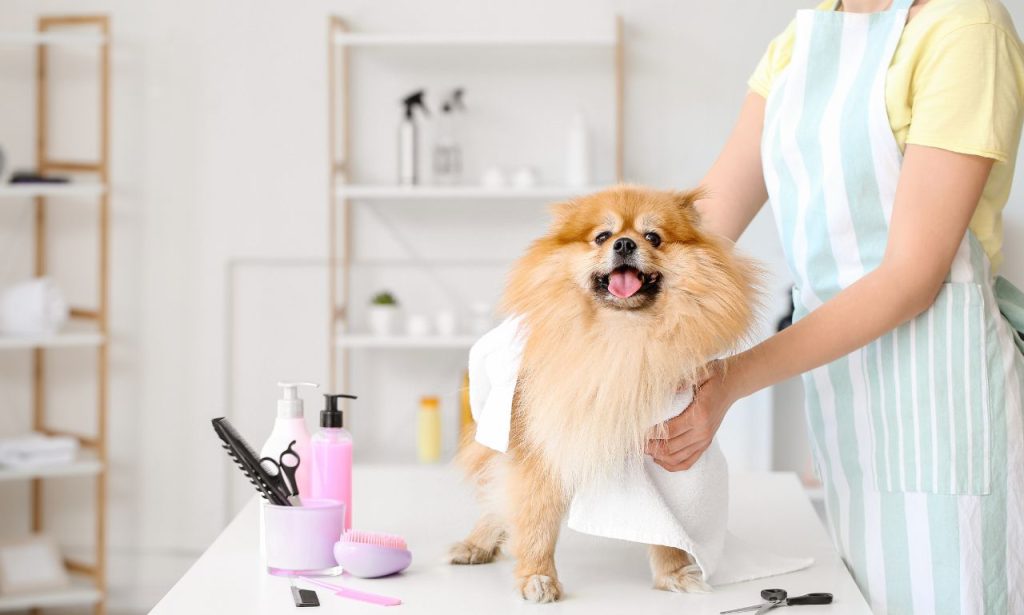
Pet wipes are great for paws, legs, underbellies, backs, and outer coat areas. These are the places that usually collect dirt after walks or outdoor play.
You can also use pet-safe facial wipes around the mouth and tear-stained areas. Be careful near the eyes. Regular body wipes should not be used directly in the eyes or in the ears.
For dogs with wrinkles, gently clean between the folds and dry the area afterward if needed. Moisture trapped in folds can lead to odor or irritation.
Paws deserve special attention. Dirt, road salt, grass, and allergens can stick between paw pads. Wiping them after walks is a smart habit, especially in cities or during rainy seasons.
Always wipe gently. Your goal is to clean, not polish your pet like furniture.
How Often Should You Use Pet Wipes Based on Your Pet’s Needs?
The right frequency depends on your pet’s lifestyle. A dog that walks outside twice a day may benefit from daily paw wipes. A mostly indoor cat may only need occasional help.
Pets with allergies may need more frequent wipe-downs after being outside. This can help remove pollen before it irritates the skin. On the other hand, pets with very sensitive skin may need wipes less often.
Watch your pet’s skin and behavior. If the coat looks healthy and your pet seems comfortable, your routine is probably working. If you notice dryness, itching, or redness, reduce use or change products.
When unsure, ask your vet. This is especially important if your pet has allergies, hot spots, infections, or ongoing skin issues.
Pet Wipes vs. Traditional Grooming: Do Pets Still Need Baths?
When Pet Wipes Are a Great Alternative Between Baths
Pet wipes are perfect for quick cleanups between baths. They are useful after walks, park visits, road trips, grooming appointments, and messy meals.
They can also help when bathing is not practical. Maybe it is too cold outside. Maybe your dog hates water with the passion of a soap opera villain. Maybe you need a fast fix before guests arrive.
Wipes are also handy when traveling. A pack in your car or bag can save you from muddy paw prints, smelly fur, and unexpected messes.
They work best as maintenance. They keep your pet fresh, reduce dirt buildup, and help extend the time between baths.
Situations Where Bathing Is Still the Better Option
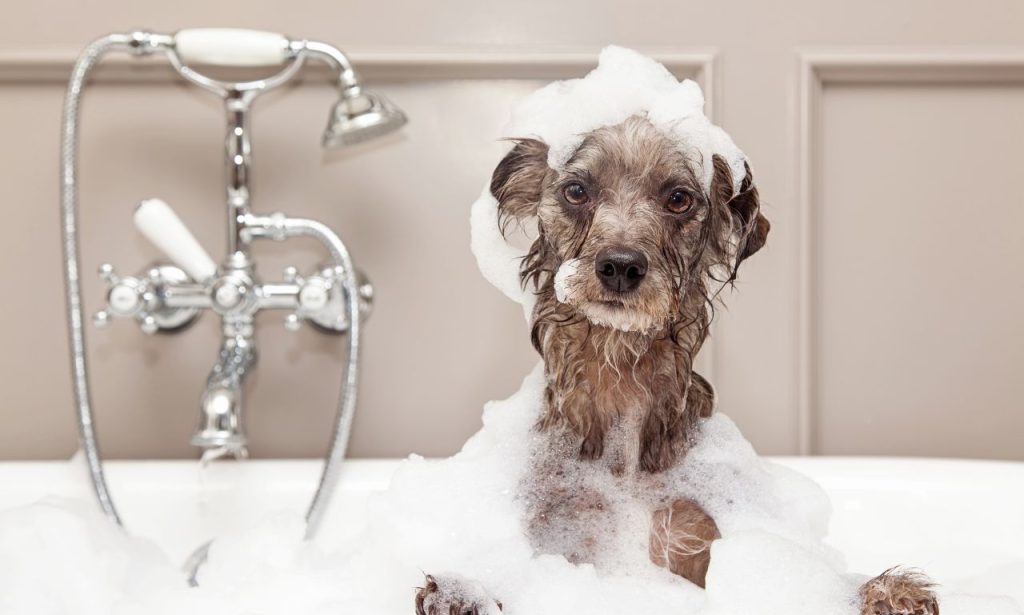
Bathing is still necessary. Pet wipes cannot fully remove heavy dirt, grease, strong odors, or buildup deep in the coat.
If your dog rolls in mud, swims in dirty water, or finds something disgusting in the yard, wipes will not be enough. That situation calls for shampoo, water, and possibly emotional support for everyone involved.
Pets with skin infections may also need medicated baths prescribed by a vet. Wipes cannot replace medical treatment.
Long-haired breeds need proper grooming to prevent mats and tangles. Wipes may freshen the coat, but they cannot replace brushing, bathing, trimming, and professional grooming when needed.
Conclusion
Pet wipes are one of those simple products that can make pet ownership easier. They help clean paws, freshen coats, reduce odor, and manage everyday messes without turning every cleanup into bath time.
So, Are Pet Wipes Safe for Everyday Use? For most pets, yes, as long as you choose wipes made for animals and use them gently. The safest wipes are alcohol-free, lightly formulated, and free from harsh fragrances or risky ingredients.
Still, every pet is different. Pay attention to your dog or cat’s skin, coat, and comfort. If something seems off, stop using the product and speak with your vet.
Pet wipes are not a replacement for baths, brushing, or veterinary care. But as part of a smart grooming routine, they can be a practical, pet-parent-approved lifesaver.
Also Read: Why Do Some Cats Hate Being Brushed?
FAQs
Yes, if they are made for cats or labeled safe for both dogs and cats. Avoid strong fragrances and essential oils.
No. Pet wipes are useful between baths, but they do not provide deep cleaning.
Avoid alcohol, strong fragrance, harsh preservatives, dyes, and unsafe essential oils.
It is better not to. Baby wipes may contain ingredients that can irritate pet skin.
