

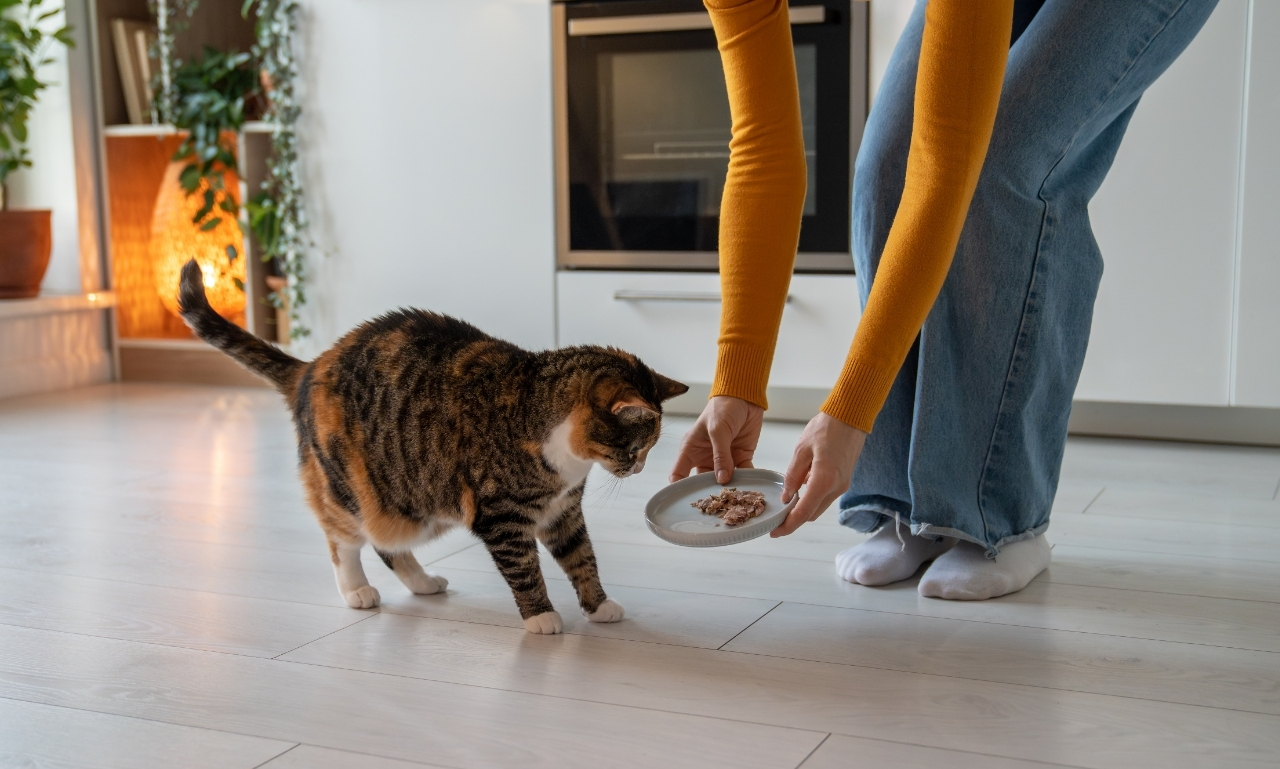
What smells do cats hate the most? Citrus, vinegar, strong perfumes, certain herbs, pungent spices, smoke, and some cleaning products are among the scents many cats find unpleasant. Their reaction makes sense because cats experience their surroundings largely through smell, so an odor that seems mild to us can be remarkably intense to them.
Why Cats Are So Sensitive to Certain Smells
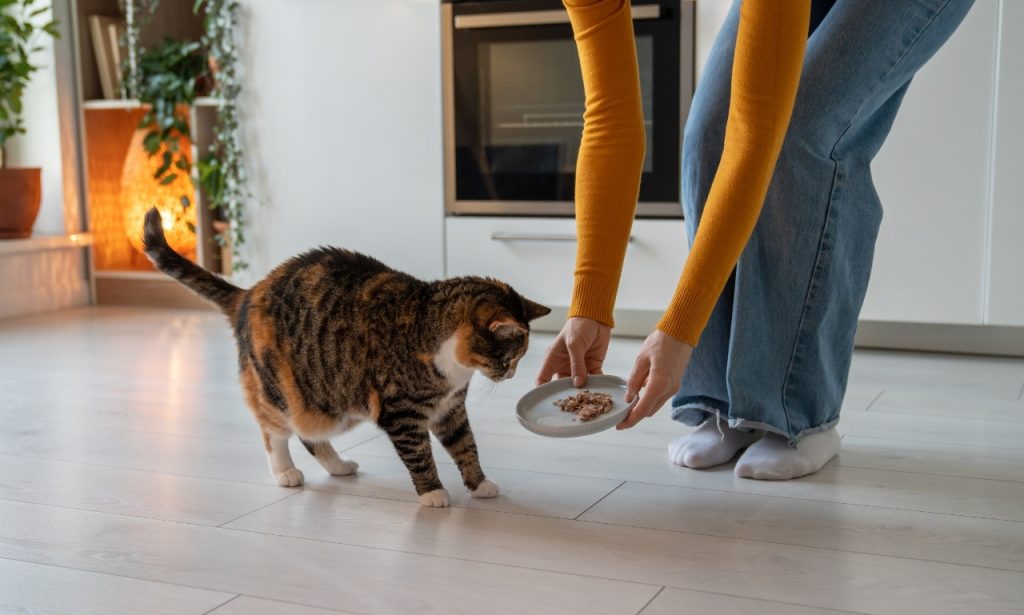
Cats don’t simply use their noses to decide whether something smells good. Scent helps them understand where they are, who has been nearby, whether food is appealing, and whether an environment feels familiar.
Their sensitivity also explains why changing a home’s smell can sometimes change a cat’s behavior.
How a Cat’s Powerful Sense of Smell Shapes Daily Behavior
A cat’s sense of smell is far more important to daily life than many owners realize. Cats use scent to recognize familiar people and animals, investigate new objects, select food, and understand their territory.
They also have a vomeronasal organ, sometimes called Jacobson’s organ. It helps cats process certain chemical signals. You may see a cat using it when it sniffs something and briefly holds its mouth open.
Scent marking matters too. Cats rub their cheeks and bodies against furniture, doorways, and people, leaving familiar chemical signals behind. These scents help create an environment that feels recognizable and secure.
A strong, unfamiliar odor can disrupt that familiar scent landscape. This is one reason a freshly cleaned room may suddenly become less appealing to a cat.
Why a Pleasant Human Scent Can Be Overwhelming to a Cat
People often judge household fragrances according to human preferences. A lemon cleaner smells fresh. Floral perfume smells pleasant. An air freshener may make a room seem cleaner.
Cats aren’t experiencing those smells at the same intensity.
A heavily scented floor cleaner, for example, can leave an odor exactly where a cat walks and rests. Strong perfume on a blanket can cover familiar smells that previously made the sleeping spot comfortable.
Individual preference matters as well. One cat might leave a room immediately after encountering a particular fragrance, while another shows little reaction. No universal list applies to every cat.
Common Household Smells That Cats Strongly Dislike
If you’re wondering what smells cats hate most, some common examples are already found in kitchens and bathrooms.
However, just because cats dislike an odor doesn’t mean that substance is suitable as a repellent.
Citrus, Vinegar, Coffee, and Strong Food Odors
Citrus is probably the best-known example—lemons, oranges, limes, and grapefruit release powerful aromatic compounds, especially from their peels. Many cats prefer to move away from these sharp smells.
Vinegar can produce a similar response. Its acidic odor is strong and distinctive, particularly before it has been diluted or allowed to dissipate.
Coffee also has a rich, concentrated aroma that some cats avoid. That doesn’t mean you should scatter coffee grounds around areas where cats spend time. Coffee contains caffeine, which can be harmful if consumed.
Strong onions and garlic aren’t appropriate deterrents either. Both can be toxic to cats if eaten in sufficient amounts.
This distinction is crucial. A substance can smell unpleasant to a cat while also presenting a health risk. Dislike shouldn’t be treated as evidence of safety.
Perfumes, Cleaning Products, Smoke, and Artificial Fragrances
Cats may avoid heavily perfumed rooms, fragranced sprays, strong disinfectants, air fresheners, and intensely scented cleaning products.
Problems can arise in unexpected places. An owner might buy perfumed cat litter because it makes the litter area smell better to people. The cat may find that same fragrance overpowering and become reluctant to use the box.
Smoke is another odor cats should not be deliberately exposed to. Tobacco smoke contains harmful substances, while smoke from other sources can irritate the respiratory system.
Owners should also consider where fragrances are being used. Spraying perfume near a favorite bed is different from wearing a small amount yourself. Concentration and proximity affect how strongly an animal experiences an odor.
Natural Scents and Plants Cats Often Avoid
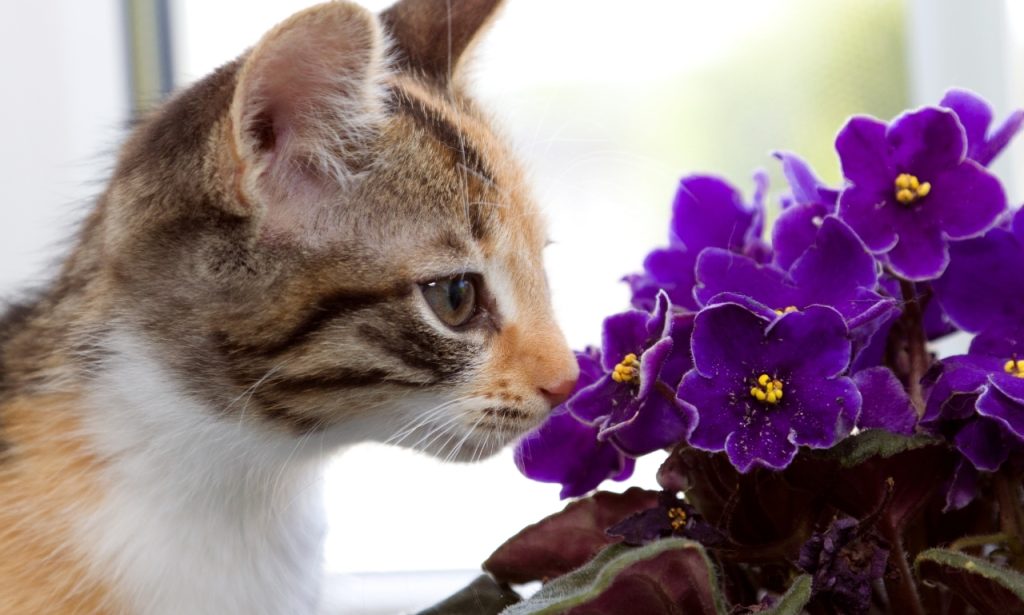
The word natural can create a false sense of security. Plants produce powerful chemical compounds, and some aren’t suitable for cats.
Lavender, Eucalyptus, Mint, and Other Strong Plant Aromas
Lavender, eucalyptus, mint, rosemary, and other aromatic plants have distinctive scents that some cats avoid.
The important issue is concentration. Smelling a plant from a distance isn’t the same as being exposed to concentrated essential oil made from that plant.
Essential oils contain concentrated compounds and require much greater caution. Cats can encounter these substances through their skin, grooming, accidental ingestion, or droplets produced by some diffusers.
Rather than assuming an aromatic plant or oil is safe because it comes from nature, owners should check its feline safety before bringing it into a cat’s environment.
Chili, Pepper, Cinnamon, and Other Powerful Spices
Pungent spices can certainly discourage investigation, but irritation isn’t a humane deterrent strategy.
Chili peppers contain capsaicin, the compound responsible for their heat. Pepper and other strong spices can also irritate sensitive tissues. A cat investigating powder spread across a counter or garden may get particles around its nose, eyes, mouth, or paws.
Cats groom themselves frequently, creating another route of exposure. Material picked up on the paws can later be licked off.
Using irritating substances simply because cats dislike their smell creates unnecessary risk. Physical barriers and environmental changes are usually better solutions.
Smells Cats Hate That May Also Be Dangerous
Searching for smells cats hate the most often leads to homemade repellent recipes. This is where owners need to be particularly careful.
A smell that sends a cat in the opposite direction isn’t necessarily harmless.
Why Essential Oils Require Special Caution Around Cats
Essential oils deserve special attention because they’re highly concentrated.
Tea tree, eucalyptus, peppermint, citrus, cinnamon, clove, and several other oils can present problems for cats depending on the substance, concentration, dose, and exposure route.
Cats also metabolize some chemical compounds differently from humans. An oil that people routinely use for fragrance isn’t automatically appropriate for a cat’s environment.
Avoid applying essential oils directly to a cat unless a veterinarian has specifically recommended an appropriate veterinary product. Homemade mixtures can make safe dosing difficult to judge.
Diffusers deserve consideration as well. A room may smell mildly fragrant to a person while being much more intense for an animal that spends hours there.
Recognizing Irritation or Possible Toxic Exposure
A cat that dislikes a smell will often turn its head, retreat, or avoid the area.
Possible poisoning or significant irritation looks different. Warning signs can include drooling, vomiting, unusual tiredness, weakness, tremors, difficulty walking, coughing, or breathing problems.
Skin or fur contamination also matters because cats groom themselves. A substance spilled on the coat may eventually be swallowed.
If a cat develops concerning symptoms after contact with an essential oil, chemical, plant, cleaner, or other potentially harmful substance, contact a veterinarian promptly. Don’t deliberately make the cat vomit unless a veterinary professional tells you to.
How Smell Influences a Cat’s Behavior Around the Home
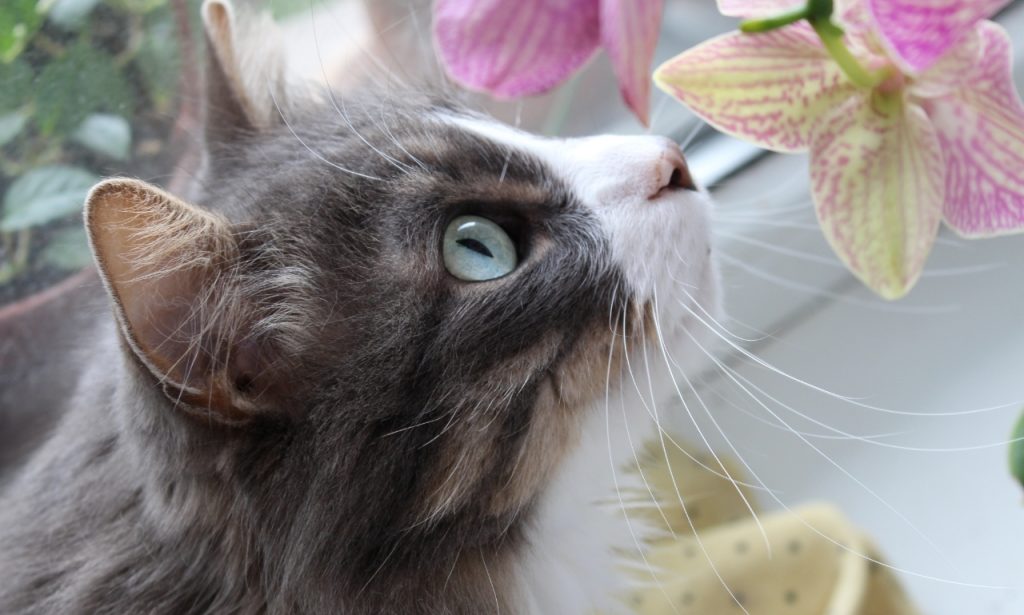
Smell isn’t merely something cats like or dislike. It can influence how comfortable they feel using different parts of their territory.
Understanding that connection can solve problems more effectively than trying to repel the animal.
Litter Boxes, Feeding Areas, Sleeping Spots, and Familiar Territory
A dirty litter box can become unpleasant enough that a cat starts looking elsewhere. But adding strong fragrances isn’t always the answer.
Some cats prefer unscented litter and a clean box because this removes waste odors without introducing an unfamiliar perfume.
Food areas can present similar problems. Strong cleaning chemicals around bowls may discourage eating even when the food itself hasn’t changed.
Sleeping areas depend heavily on familiarity. Washing every blanket and bed with strongly fragranced detergent at once can remove much of the familiar scent. For sensitive cats, gradual cleaning may be less disruptive.
Sudden avoidance therefore deserves investigation. Before assuming a cat has become difficult, consider whether something about the smell, location, cleanliness, or surrounding environment has changed.
Using Safe Alternatives Instead of Strong Smells to Deter Cats
Owners sometimes want scent deterrents because a cat keeps scratching furniture, climbing onto counters, digging around plants, or entering a particular room.
Changing the environment is usually more useful.
A cat scratching the sofa may need an appealing scratching surface positioned nearby. A cat investigating kitchen counters may be following food smells, so cleaning away crumbs and securing food can remove the attraction. You can move houseplants or protect them with a physical barrier.
These methods address what draws the cat to the area rather than creating an unpleasant environment.
Conclusion
So, what smells do cats hate the most? Many cats dislike citrus, vinegar, powerful perfumes, artificial fragrances, pungent spices, smoke, and several strong plant aromas. Personal preference still varies considerably between individual cats.
More importantly, unpleasant doesn’t mean safe. Essential oils, irritating spices, coffee, certain plants, and other substances can pose risks despite their reputation as cat deterrents. Understanding how cats experience scent makes it easier to protect their health while creating a home that works comfortably for both cats and people.
Frequently Asked Questions
Sometimes. Cats may become less reactive after repeated exposure, although responses vary by individual and scent.
Not necessarily. Familiar feline scents can be reassuring, while an unfamiliar cat’s scent may trigger territorial behavior.
Cats can detect very faint odors, but a tightly sealed container greatly limits the scent molecules that escape.
This is called the Flehmen response. It helps the cat analyze chemical signals using the vomeronasal organ.
