

Have you ever watched your dog tremble during a thunderstorm or noticed your cat vanish the moment visitors arrive?
Seeing a beloved pet struggle with anxiety can be heartbreaking. Many pet owners feel helpless when their furry companions become stressed by loud noises, travel, separation, or changes in routine. While training and veterinary care are important parts of anxiety management, many people are also looking for natural ways to help their pets feel more comfortable.
One surprisingly effective tool is scent.
Dogs and cats experience the world very differently from humans. Their sense of smell is incredibly powerful and often influences how they react to situations around them. Certain scents can create feelings of familiarity, security, and relaxation, making them useful for reducing mild anxiety.
So, what smells calm anxious pets naturally?
Several pet-friendly scents have shown promising results, including lavender, chamomile, vanilla, and species-specific pheromones. When used safely, these aromas may help create a calmer environment and support your pet’s emotional well-being.
Let’s explore how scent affects pet anxiety and which smells may help your furry friend feel more relaxed.
Understanding How Scents Affect Pet Anxiety
Why Dogs and Cats Respond So Strongly to Smells
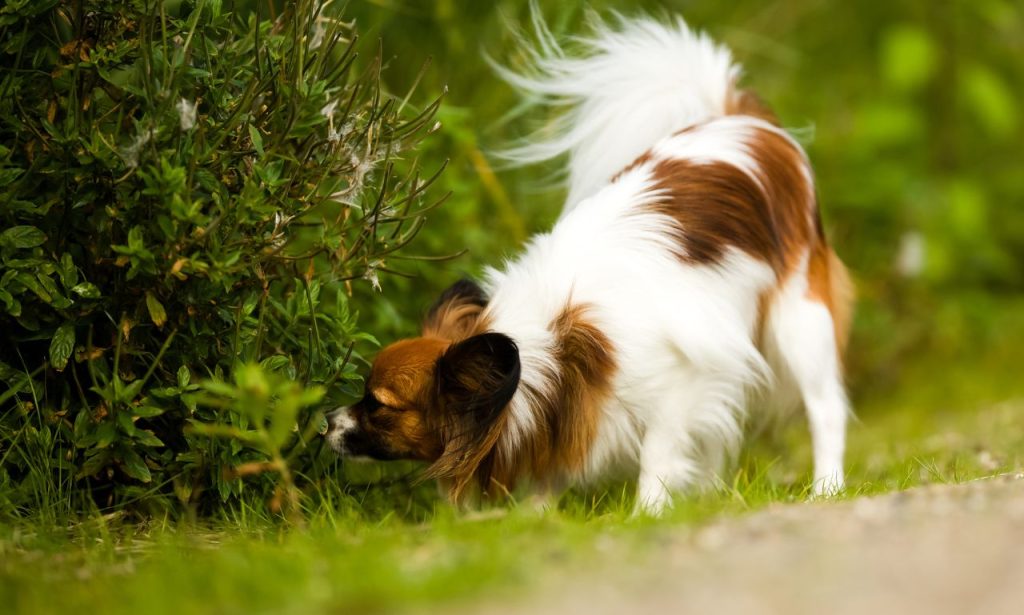
A dog’s nose is nothing short of extraordinary. Researchers estimate that dogs have up to 300 million olfactory receptors, while humans have only about 6 million. Cats may not receive the same attention for their sense of smell, but theirs is also remarkably advanced.
Every scent tells a story to a pet. Smells help them identify family members, locate food, recognize territory, and detect potential threats. Because scent plays such a major role in their daily lives, certain aromas can directly influence their emotional state.
Think about how the smell of fresh cookies might remind you of childhood or how a familiar perfume can instantly bring back memories. Pets experience similar emotional connections through scent, often more intensely than we do.
This explains why introducing calming smells can sometimes help reduce nervous behaviors such as pacing, whining, excessive grooming, or hiding.
The Connection Between Scent, Emotions, and Relaxation in Pets
The relationship between scent and emotion starts in the brain.
When a dog or cat detects an odor, signals travel to the limbic system, the area responsible for emotions and memories. This connection allows certain scents to trigger feelings of comfort and safety.
Animal shelters have used this principle for years. Some facilities report that dogs exposed to lavender aromas bark less and appear more relaxed during stressful situations. While scent alone won’t eliminate anxiety, it can become a valuable part of a larger calming strategy.
Every pet responds differently, though. One dog may find a scent incredibly soothing, while another barely reacts. Paying attention to your pet’s body language is often the best way to determine whether a particular aroma is helping.
Natural Scents That Help Calm Anxious Dogs and Cats
Lavender, Chamomile, and Other Relaxing Herbal Aromas
Lavender is often the first scent mentioned when discussing natural relaxation. Its calming reputation extends beyond humans and into the pet world.
Several studies involving dogs have shown reduced activity levels and calmer behavior after exposure to lavender. Many pet-safe sprays, shampoos, and calming products include lavender because of these potential benefits.
Chamomile is another popular choice. Known for its soothing properties, chamomile may help create a peaceful atmosphere for anxious pets. Its gentle scent is often found in pet grooming products designed to promote relaxation.
Some pet owners also use rose and sweet marjoram-based products. These herbal aromas tend to be subtle rather than overwhelming, making them suitable for animals that are sensitive to strong fragrances.
The key is moderation. A calming scent should enhance the environment, not dominate it. Pets should always have the freedom to move away if they prefer.
Valerian Root, Vanilla, Coconut, and Additional Soothing Scents
Not every calming scent comes from flowers.
Valerian root has gained attention for its unique effects on pets. Some dogs appear noticeably calmer after exposure to valerian-based products. Cats often show playful interest initially before settling into a more relaxed state.
Vanilla is another scent that many pet owners swear by. Its warm, comforting aroma may help create an environment that feels safe and familiar. Some behavior specialists compare its effect to the cozy feeling people experience when walking into a home filled with freshly baked treats.
Coconut-scented products have also become increasingly popular. Although scientific research remains limited, many owners report positive experiences when using mild coconut fragrances around nervous pets.
As with any scent, quality matters. Always choose products specifically designed for pets rather than products intended for human aromatherapy.
Species-Specific Calming Smells for Dogs and Cats
Which Scents Work Best for Anxious Dogs?
Dogs often respond particularly well to lavender, chamomile, and vanilla.
These scents are commonly used during stressful events such as thunderstorms, fireworks displays, travel, and veterinary visits. Introducing calming aromas before a stressful event begins often produces better results than waiting until anxiety has already escalated.
Another powerful source of comfort is your own scent. A worn T-shirt or blanket that carries your scent can provide reassurance during periods of separation or in unfamiliar situations.
Many professional trainers emphasize the importance of combining calming scents with exercise, mental stimulation, and positive reinforcement. Together, these strategies can help anxious dogs feel more secure.
Which Scents Are Most Effective for Stressed or Nervous Cats?
Cats tend to be more selective than dogs when it comes to scents.
Synthetic feline pheromones are among the most widely recommended options. These products mimic the natural facial pheromones cats release when they feel comfortable and safe.
Valerian root may also appeal to some cats. Interestingly, many felines become temporarily energetic before eventually settling into a calmer state.
Lavender can help certain cats, but extra caution is necessary. Cats process essential oils differently from dogs, making safety considerations especially important.
For many nervous cats, familiar smells provide the greatest comfort. Favorite blankets, scratching posts, beds, and resting spots often carry reassuring scents that naturally help reduce stress.
Safe Ways to Use Calming Scents Around Pets
Diffusers, Sprays, Bedding, and Environmental Scenting Methods
The safest method depends on the product and the individual pet.
Pet-safe sprays can be lightly applied to bedding, crates, or blankets. This approach allows pets to interact with the scent naturally without overwhelming the entire room.
Calming diffusers are another common option. These products slowly release scent into the environment and can help maintain consistency throughout the day.
Many owners also choose scented bedding products specifically formulated for pets. Because the scent remains localized, pets can decide how much exposure they want.
Starting slowly is always the best approach. Observe your pet closely during the first few days to ensure the scent produces a positive response.
Essential Oil Safety Tips and Scents to Avoid Around Pets
This is where caution becomes essential.
Many essential oils that are safe for humans can be harmful to pets. Tea tree oil, cinnamon oil, clove oil, wintergreen oil, and certain citrus oils may cause serious reactions.
Cats are particularly vulnerable because their bodies cannot efficiently process certain compounds.
Never apply essential oils directly to your pet unless specifically directed by a veterinarian. Even diffused oils should be used only in well-ventilated spaces where pets can leave if desired.
Whenever you’re unsure about a product, consult your veterinarian before introducing it into your home.
Other Natural Ways to Reduce Anxiety in Pets
Pheromones, Comfort Items, and Creating a Stress-Free Environment
Calming scents work best when combined with other anxiety-reducing strategies.
Pheromone diffusers remain one of the most researched tools available. They help recreate the chemical signals pets associate with safety and comfort.
Comfort items can also make a significant difference. Favorite toys, familiar bedding, and designated quiet spaces help create emotional stability during stressful periods.
Routine is equally important. Pets thrive when they know what to expect. Consistent feeding times, daily exercise, and predictable schedules often reduce anxiety more effectively than many owners realize.
When to Seek Veterinary Advice for Persistent Pet Anxiety
Natural remedies can help, but some situations require professional support.
Persistent pacing, destructive behavior, excessive vocalization, appetite changes, or self-harming behaviors may indicate a more serious anxiety disorder.
A veterinarian can rule out underlying medical issues and recommend appropriate treatment options. In some cases, behavioral therapy, medication, or a combination of approaches may be necessary.
Seeking help early often leads to better long-term outcomes for both pets and their owners.
Conclusion
If you’ve been wondering, What Smells Calm Anxious Pets Naturally?, several options stand out. Lavender, chamomile, vanilla, valerian root, and species-specific pheromones have all shown potential to help create a calmer environment for dogs and cats.
Still, scent is only one piece of the puzzle. A secure routine, familiar surroundings, proper exercise, and plenty of positive interaction often play an even greater role in helping pets feel safe.
Every animal is unique. What works beautifully for one pet may have little effect on another. Taking the time to observe your pet’s reactions can help you discover which scents and strategies make the biggest difference.
Also Read: Why Do Some Cats Hate Being Brushed?
FAQs
Lavender can be safe when used in pet-friendly products and proper dilutions. Always consult your veterinarian before use.
No. They can help reduce stress but work best alongside other anxiety-management strategies.
Some are not. Cats are particularly sensitive to many essential oils, so veterinary guidance is important.
Some pets respond within minutes, while others may require repeated exposure over several days or weeks.
