

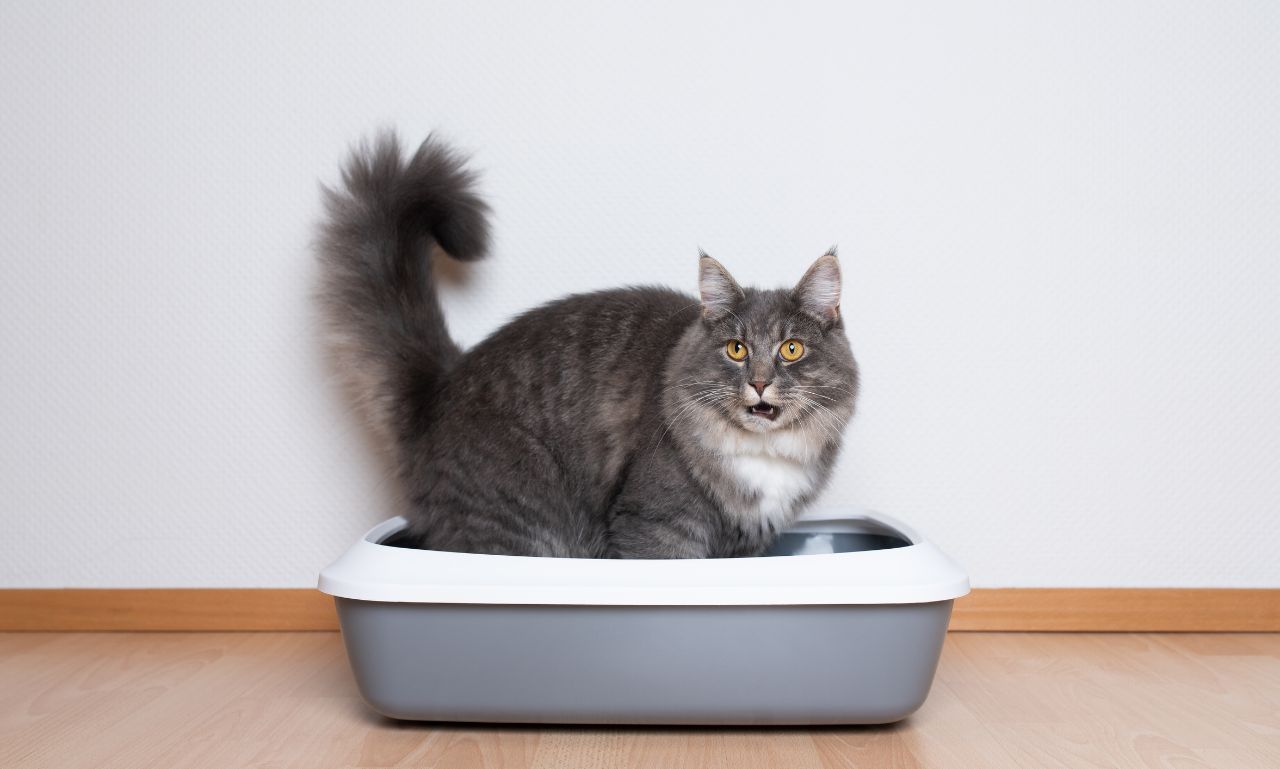
Cat litter is one of those tiny household details that can quietly make or break your home’s freshness.
Miss the right cleaning rhythm, and suddenly your sweet little cat has turned the laundry room into a crime scene.
So, How Often Should You Completely Replace Cat Litter? For most homes, the answer is every 1 to 4 weeks, depending on the litter type, the number of cats, and how often you scoop.
The General Rule for Replacing Cat Litter Based on Household Size
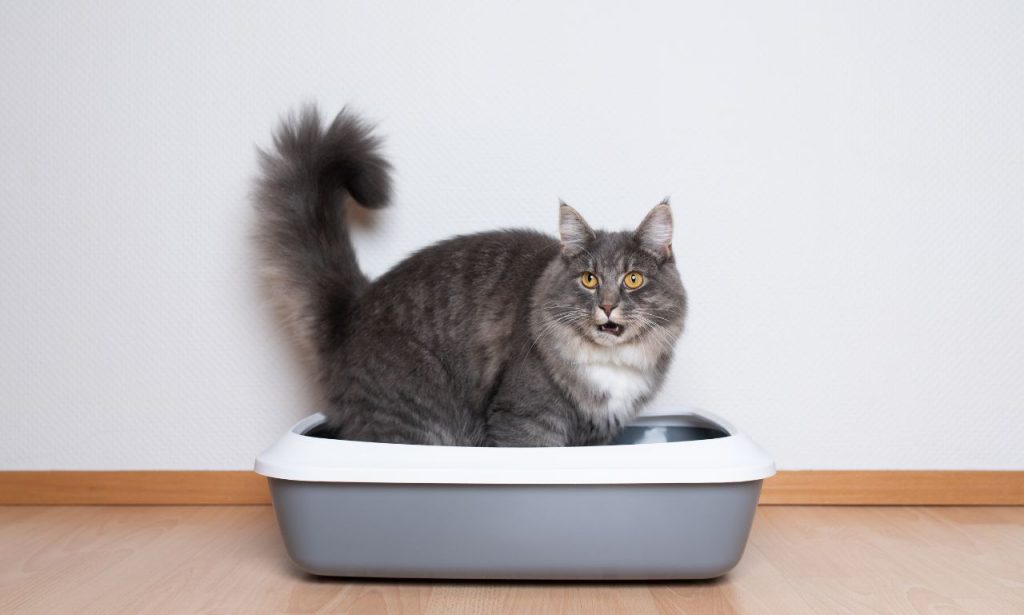
For one cat using clumping litter, a full litter change every two to four weeks usually works well. Non-clumping litter often needs to be replaced once or twice a week because urine spreads more quickly through the material.
A two-cat home needs a tighter routine. Even if the box looks okay, odor can build up beneath the surface. Think of it like a kitchen sponge. It may look fine, but you know when it has had enough.
For multiple cats, full replacement may be needed weekly. The golden rule many vets and cat behaviorists recommend is one litter box per cat, plus one extra. It sounds like overkill until you see how much calmer cats act with cleaner options.
Recommended Replacement Schedules for Different Types of Cat Litter
Clumping clay litter can often last two to four weeks with daily scooping. It forms firm clumps, which makes waste removal easier and keeps the remaining litter fresher.
Non-clumping clay litter needs to be changed more often, usually every few days to a week. Since urine does not form solid clumps, moisture collects in the box and quickly creates odor.
Crystal litter may last up to a month for one cat, depending on the brand and box size. Still, once crystals turn saturated or smell sour, it is time for a complete change.
Natural litter made from corn, pine, wheat, walnut, or paper varies in composition. Some lasts two weeks, while others need weekly replacement. Always watch smell, texture, and your cat’s behavior more than the label.
What Factors Affect How Often Cat Litter Needs to Be Changed?
No two homes have the same litter box routine. A quiet senior cat and three energetic kittens will not produce the same mess.
Your schedule should match your cat, your litter, and your home.
How the Number of Cats and Litter Boxes Impacts Cleaning Frequency
More cats mean more urine, more feces, and more bacteria. It also means more chances for one picky cat to reject a dirty box.
If two cats share one box, litter breaks down faster. Odor rises quicker, and clumps may crumble before you scoop them. This is where many owners get frustrated and blame the litter.
The real issue is often box math. One cat can manage with one clean box, but two cats usually need at least three boxes. It reduces traffic and gives each cat a cleaner place to go.
Here is a simple test: if you smell the box before you see it, your cat smelled it long before you did.
Why Litter Type Plays a Major Role in Replacement Schedules
Litter type affects odor control, moisture absorption, dust, and tracking. Cheap litter may save money upfront, but it can cost more if you replace it constantly.
Clumping litter is popular because it makes daily cleaning easy. However, poor-quality clumping litter can break apart, leaving urine-soaked crumbs behind.
Natural litter is great for many eco-conscious homes, but some types hold odor better than others. Pine pellets, for example, turn into sawdust when wet and need to be sifted or changed frequently.
Crystal litter absorbs moisture well, but it can feel uncomfortable for some cats. If your cat avoids it, the best odor control in the world will not matter.
How Can You Tell When It’s Time to Replace Cat Litter?
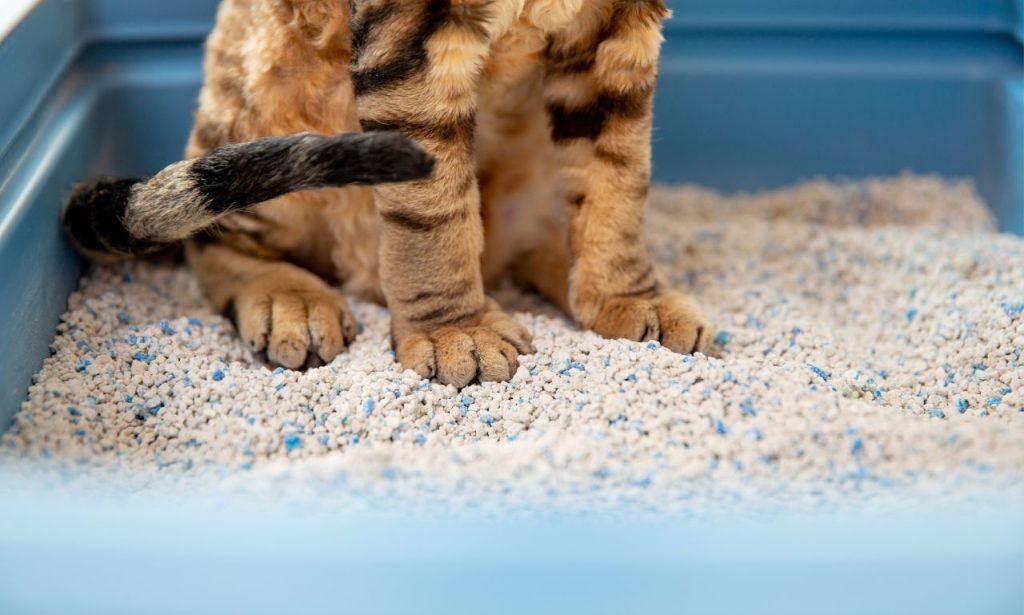
Your cat will often tell you before your calendar does.
The trick is paying attention before the problem becomes a smelly one.
Common Signs Your Cat Litter Has Reached the End of Its Lifespan
Odor is the biggest sign. Fresh litter should not smell like ammonia, sour moisture, or old waste after scooping.
Texture matters too. If the litter feels damp, sticky, dusty, or heavy, it is no longer doing its job. Clumps that fall apart also mean urine is spreading through the box.
Another sign is discoloration. Crystal litter may change color when saturated. Natural litter may darken, crumble, or smell earthy in a bad way.
A good rule is simple. When scooping no longer makes the box smell fresh, replace everything.
Behavioral Changes Cats May Show When the Litter Box Is Too Dirty
Cats are clean animals. Many would rather avoid a dirty box than step into one. Unfortunately, that can lead to accidents around the house.
Your cat may start urinating near the box, on rugs, in laundry baskets, or behind furniture. Before assuming bad behavior, check the box first.
Some cats scratch the sides of the box instead of the litter. Others rush out quickly, hold urine longer, or visit the box repeatedly.
If your cat suddenly avoids the litter box, call your vet too. Urinary issues can become serious fast, especially in male cats.
What Is the Best Litter Box Cleaning Routine?
A clean box is not about being fancy. It is about being consistent.
Cats love routine. Your nose will appreciate it too.
How Often Should You Scoop Cat Litter for Maximum Freshness?
Scoop at least once daily. Twice daily is better for multi-cat homes or small apartments.
Morning and evening scooping work well because they fit naturally into most routines. You make coffee, feed the cat, scoop the box, and move on with your day.
Daily scooping keeps odor down and helps you spot health changes. Smaller clumps of urine, diarrhea, constipation, or blood can appear early in the litter box.
That little plastic scoop is not glamorous, but it is one of the best health-monitoring tools for cat owners.
Why Washing and Disinfecting the Litter Box Matters
Full litter replacement should include washing the box. Dumping fresh litter into a dirty box is like putting clean sheets on a muddy mattress.
Use warm water and mild, unscented soap. Strong fragrances may irritate your cat and make the box smell suspicious to them.
Avoid harsh cleaners unless you rinse extremely well. Cats have sensitive noses, and leftover chemical smells can push them away.
Dry the box completely before adding new litter. Moisture under fresh litter can create clumps, odor, and bacteria faster.
How Can You Make Cat Litter Last Longer and Keep Your Cat Healthy?
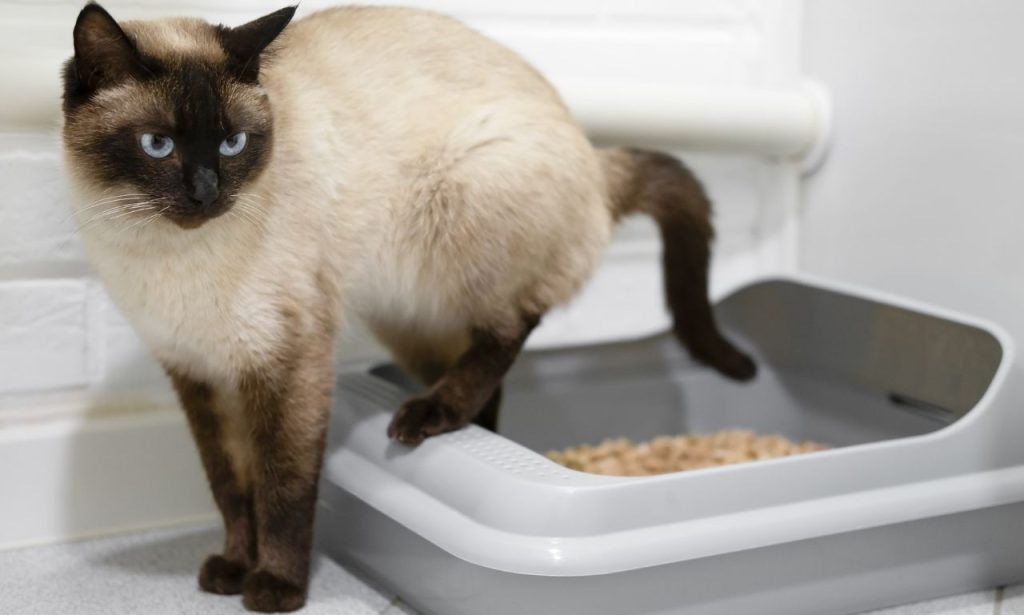
Good litter care is not just about saving money.
It protects your cat’s comfort, your home’s smell, and your sanity.
Practical Tips to Extend the Life of Cat Litter Without Sacrificing Cleanliness
Start with the right litter depth—most cats like about two to three inches. Too little litter gets saturated fast, while too much can make scooping wasteful.
Place the box in a quiet, ventilated area. A cramped corner traps odor and makes cleaning less pleasant.
Use a litter mat to reduce tracking. It keeps granules from spreading across the house like confetti after a wedding.
Stick with unscented litter when possible. Humans like perfume, but many cats do not. Clean beats scented every time.
Health Risks Associated With Dirty Litter Boxes and Poor Maintenance
Dirty litter boxes can expose cats to bacteria, parasites, and ammonia buildup. They can also increase stress, which may trigger unwanted bathroom behavior.
For people, poor litter hygiene can worsen odors and irritate allergies or asthma. Pregnant people should be extra careful because cat feces can carry toxoplasmosis.
Wash your hands after scooping. Wear gloves if needed. It is not dramatic; it is just smart.
A cleaner litter box also helps you catch changes early. When you know what normal looks like, you can spot trouble faster.
Conclusion
So, How Often Should You Completely Replace Cat Litter? Most cat owners should replace the litter completely every 1 to 4 weeks, depending on the litter type and the number of cats.
Scoop daily, wash the box regularly, and trust your nose. More importantly, trust your cat.
If your cat avoids the box, something is wrong. Sometimes it is the litter. Sometimes it is health-related.
Either way, a clean box keeps your cat happier, your home fresher, and your floors safer from surprise “gifts.”
Also Read: Can Pets Understand Human Emotions?
FAQs
Scoop at least once daily. Multi-cat homes may need to be scooped twice a day.
Yes, but only between full cleanings. Old litter still needs complete replacement.
Wash it during every full litter change, usually weekly to monthly.
The remaining litter may be saturated, or the box itself may need washing.
