

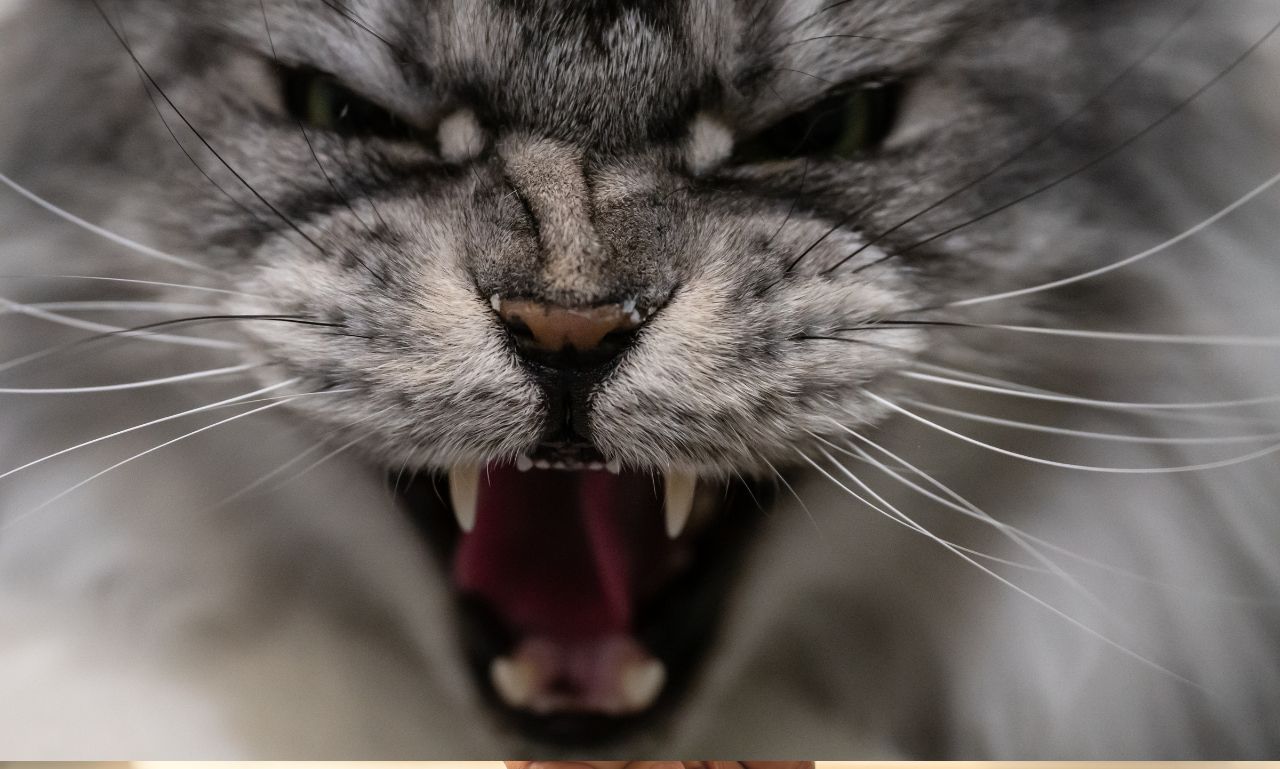
A trip to the groomer can feel like a spa day for some pets. For others, it can feel more like being dragged onto a roller coaster they never agreed to ride.
Dogs and cats become aggressive during grooming for many reasons. Fear, unfamiliar sounds, past trauma, or simple discomfort can quickly turn a routine appointment into a challenging experience. Yet professional groomers deal with these situations every day. They don’t rely on force or intimidation. Instead, they use a combination of behavioral knowledge, patience, and specialized techniques to keep pets calm and safe.
So, How Do Groomers Calm Aggressive Pets? The answer involves understanding animal behavior, creating trust, using low-stress handling methods, and knowing when to slow down or seek veterinary support.
Let’s explore what really happens behind the grooming table.
Why Some Pets Become Aggressive During Grooming
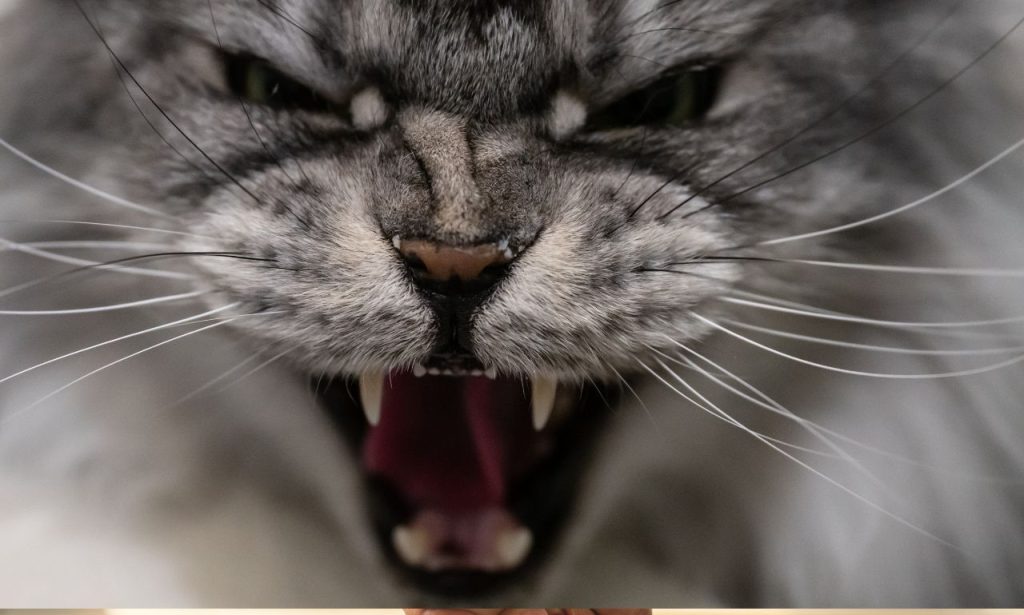
Aggression during grooming rarely appears out of nowhere. In most cases, it is a response to fear, stress, or discomfort.
Common Triggers That Cause Fear and Aggression in Dogs and Cats
Many pets find grooming overwhelming because it places them in unfamiliar situations. Strange smells, loud dryers, buzzing clippers, and being handled by someone they don’t know can create anxiety almost instantly.
Past experiences often play a major role. A dog that was accidentally nicked by clippers years ago may still remember the incident. Similarly, rescue animals sometimes carry emotional baggage from neglect or rough handling. Groomers frequently encounter pets that react aggressively because they associate grooming with a negative memory.
Physical discomfort is another common trigger. Arthritis, skin infections, ear problems, or hidden injuries can make routine brushing and trimming painful. When an animal feels pain, it may growl, snap, or scratch as a form of self-protection.
Age can also influence behavior. Puppies and kittens are still learning how to interact with the world. Senior pets may become less tolerant due to declining vision, hearing loss, or chronic health conditions.
Signs Groomers Watch for Before Aggression Escalates
Experienced groomers rarely wait until a pet bites or scratches. They watch for early warning signs long before aggression reaches that point.
In dogs, these signs may include lip-licking, yawning, whale-eye, tucked tails, stiff posture, or excessive panting. Cats often communicate stress through flattened ears, twitching tails, dilated pupils, and low growling.
Professional groomers learn to read these signals almost like a second language. Spotting them early allows adjustments before the pet becomes overwhelmed.
One veteran groomer interviewed by Pet Business Magazine explained that most bites happen after multiple warning signs are ignored. Reading body language isn’t just a skill. It’s one of the most important safety tools in the profession.
Professional Techniques Groomers Use to Calm Aggressive Pets
Successful grooming is often less about grooming itself and more about managing emotions.
Positive Reinforcement, Gentle Handling, and Trust-Building Methods
Modern grooming has shifted dramatically from the old “get it done no matter what” mentality. Today’s professionals focus on creating positive experiences.
Many groomers spend the first few minutes simply letting a pet explore the environment. Instead of rushing to brush or clip, they allow the animal to become comfortable with its surroundings.
Treats, praise, and calm verbal communication are common tools. A nervous dog may receive small rewards for standing still. Cats often respond better to quiet voices and slow movements.
Trust develops gradually. Groomers understand they may not complete every service during the first visit. Sometimes building confidence is more important than finishing a perfect haircut.
This approach mirrors methods used by animal behaviorists. Research from the American Veterinary Society of Animal Behavior consistently supports reward-based handling as a safer and more effective method than punishment-based techniques.
Using Calming Tools, Breaks, and Low-Stress Grooming Techniques
Grooming salons now use a variety of tools designed specifically to reduce stress.
Calming pheromone sprays are commonly applied to grooming areas. These products mimic natural chemical signals that help some animals feel secure. Soft background music can also help create a more relaxed atmosphere.
Many groomers schedule frequent breaks for anxious pets. Instead of forcing an animal through a two-hour session, they may divide the appointment into shorter segments.
Low-stress grooming techniques focus on working at the pet’s pace. For example, a groomer might clip one paw, take a break, then move to another area later.
Some salons even offer fear-free grooming services. Inspired by Fear Free certification programs used in veterinary medicine, these approaches prioritize emotional well-being alongside physical care.
How Groomers Safely Handle Aggressive Pets During Appointments
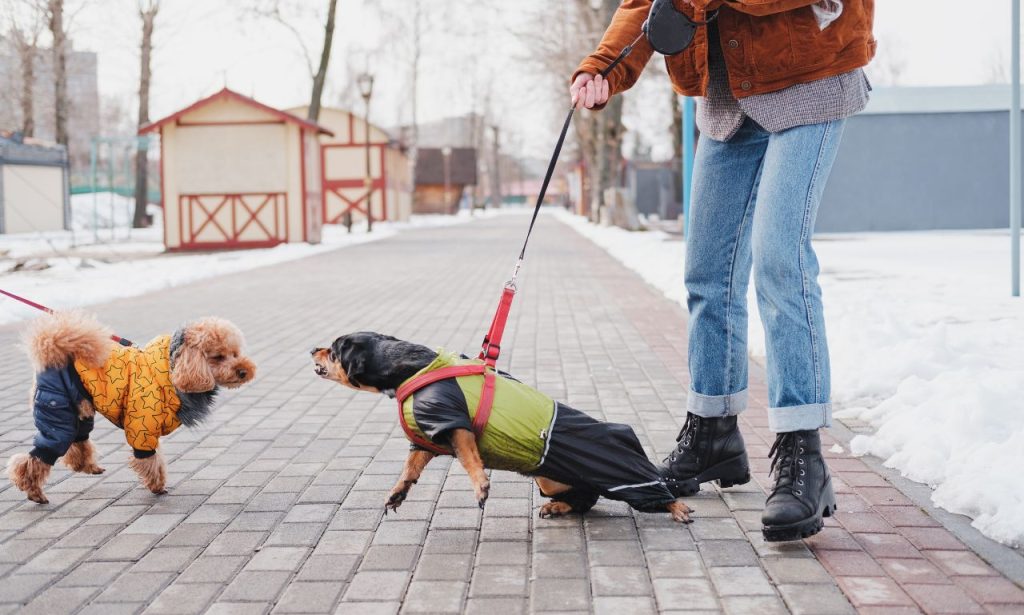
Safety remains a top priority for both animals and grooming staff.
Restraint Methods and Safety Equipment Used by Professionals
Restraint is often misunderstood. Professional groomers do not use it to punish animals. Instead, restraint helps prevent injuries while allowing grooming procedures to be completed safely.
Grooming loops are commonly used to keep dogs securely positioned on grooming tables. These devices provide stability without causing discomfort when used correctly.
Some aggressive dogs may wear basket muzzles. Unlike restrictive cloth muzzles, basket designs allow dogs to breathe, pant, and drink water comfortably. Groomers often introduce muzzles gradually to reduce stress.
Cats may require specialized handling techniques, including grooming hammocks or gentle wraps. These tools help minimize sudden movements without causing harm.
Every reputable groomer understands the difference between safe restraint and excessive force. Proper training is essential because incorrect handling can increase fear and worsen aggression.
When Groomers Modify or Stop a Grooming Session for Safety
Contrary to popular belief, professional groomers do not always finish every appointment.
There comes a point when continuing may put the pet or the groomer at risk. If an animal becomes highly distressed, repeatedly attempts to bite, or shows signs of medical distress, the session may be modified or stopped entirely.
Many experienced groomers prefer multiple shorter visits over one traumatic experience. Building trust takes time, and forcing the process can create long-term behavioral problems.
Stopping a session is not a failure. In many situations, it is the most responsible decision available.
Can Aggressive Pets Be Sedated for Grooming?
Sedation is sometimes discussed when dealing with severely aggressive pets, but it is not usually the first solution.
Understanding Sedation, Anti-Anxiety Medications, and Veterinary Assistance
Most groomers are not licensed to administer sedatives. When medication becomes necessary, it typically involves collaboration with a veterinarian.
Veterinarians may prescribe anti-anxiety medications for pets with extreme grooming fears. These medications help reduce stress while allowing the animal to remain conscious and responsive.
In more serious cases, veterinary-supervised sedation may be recommended. This option is commonly used for pets requiring extensive mat removal, medical grooming, or procedures that cannot be safely completed otherwise.
Veterinary grooming clinics specialize in handling pets with medical or behavioral challenges. Their teams combine grooming expertise with medical oversight, creating a safer environment for difficult cases.
Risks, Benefits, and When Sedation May Be Recommended
Sedation can provide significant benefits when used appropriately. It reduces stress, lowers the risk of injury, and allows essential grooming to take place.
However, it also carries potential risks. Age, health conditions, breed characteristics, and medication interactions must all be considered carefully.
For this reason, sedation should never be viewed as a quick fix. It is typically reserved for situations where traditional grooming techniques have proven unsuccessful or where neglecting grooming could harm the pet’s health.
Pet owners should always discuss concerns with their veterinarian before considering this option.
How Pet Owners Can Help Reduce Grooming Aggression at Home
The work doesn’t start at the grooming salon. It often begins at home.
Training and Desensitization Techniques Before Grooming Visits
One of the most effective ways to reduce grooming aggression is through gradual desensitization.
Start by introducing grooming tools in a positive setting. Let your dog sniff the brush. Turn on clippers nearby without using them—reward calm behavior with treats and praise.
Short training sessions work best. Five minutes a day can be more effective than an hour-long struggle once a month.
Many professional trainers compare grooming preparation to learning a new skill. Progress happens step by step, not overnight.
Consistency matters more than perfection. Small positive experiences build confidence over time.
Preparing Your Pet for a Calm and Successful Grooming Experience
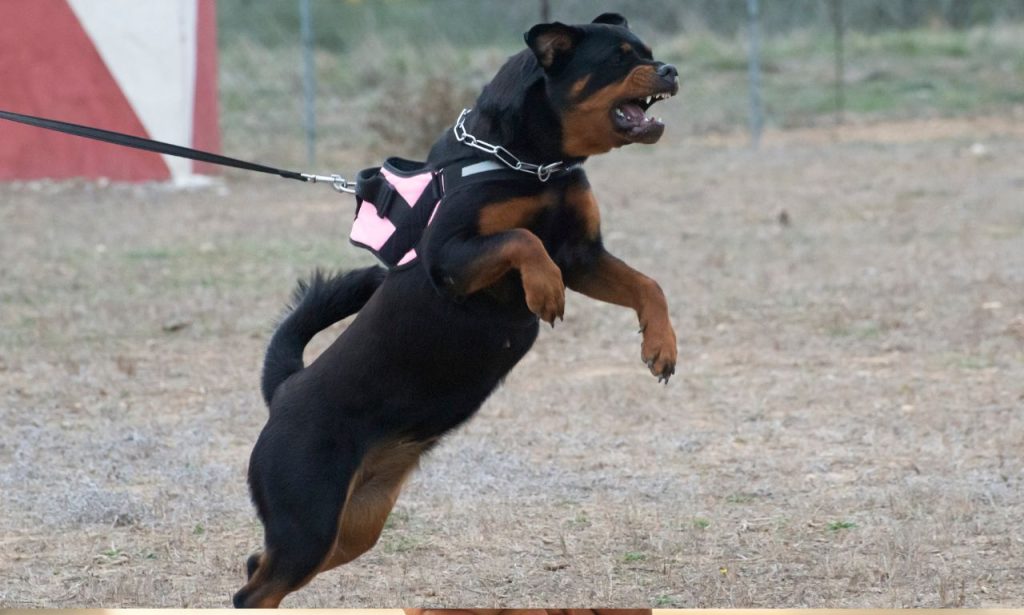
Before a grooming appointment, make sure your pet has had adequate exercise. A dog with excess energy is often more difficult to handle than one who has enjoyed a long walk.
Avoid arriving at the salon feeling rushed or stressed. Animals are remarkably good at picking up human emotions. Your anxiety can quickly become their anxiety.
Communicate openly with the groomer about previous incidents, fears, or triggers. The more information they have, the better they can tailor the experience.
Here’s a question worth asking yourself: Has your pet ever had a truly positive grooming experience? If not, creating one could change everything moving forward.
Remember, grooming isn’t only about appearance. It contributes to skin health, comfort, hygiene, and overall well-being.
Conclusion
So, How Do Groomers Calm Aggressive Pets? They rely on patience, experience, behavioral knowledge, and a deep understanding of animal body language. Rather than forcing cooperation, skilled groomers focus on building trust, reducing fear, and creating a safer environment for everyone involved.
Aggression during grooming is often rooted in anxiety, discomfort, or past experiences. With the right techniques, many challenging pets learn to tolerate and even enjoy grooming sessions over time.
If your pet struggles during appointments, don’t lose hope. Working closely with a professional groomer and practicing positive handling at home can make a remarkable difference. Sometimes the journey is gradual, but the results are well worth the effort.
Also Read: What Smells Calm Anxious Pets Naturally?
FAQs
Yes, trained groomers can often handle aggressive dogs safely using proper restraint methods and low-stress grooming techniques.
Most groomers cannot administer sedation. Sedation is typically provided only under veterinary supervision.
Fear, pain, unfamiliar environments, past trauma, and anxiety are among the most common causes.
Practice handling exercises at home, introduce grooming tools gradually, and reward calm behavior to build positive associations.
