

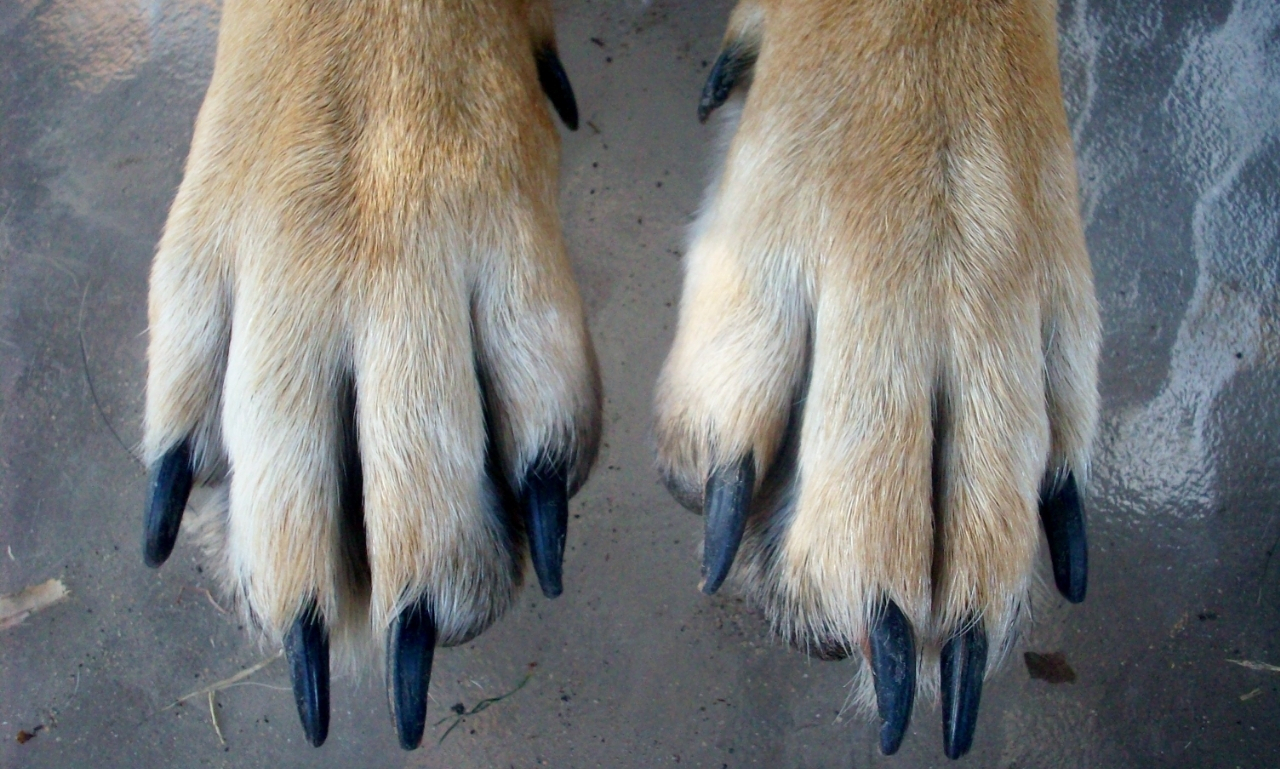
What happens if pet nails get too long? At first, the change may seem cosmetic, but overgrown nails can eventually affect a pet’s comfort and paw health. They can snag, split, curl toward the paw pads, and make ordinary movement uncomfortable.
How Overgrown Nails Affect a Pet’s Feet and Everyday Comfort
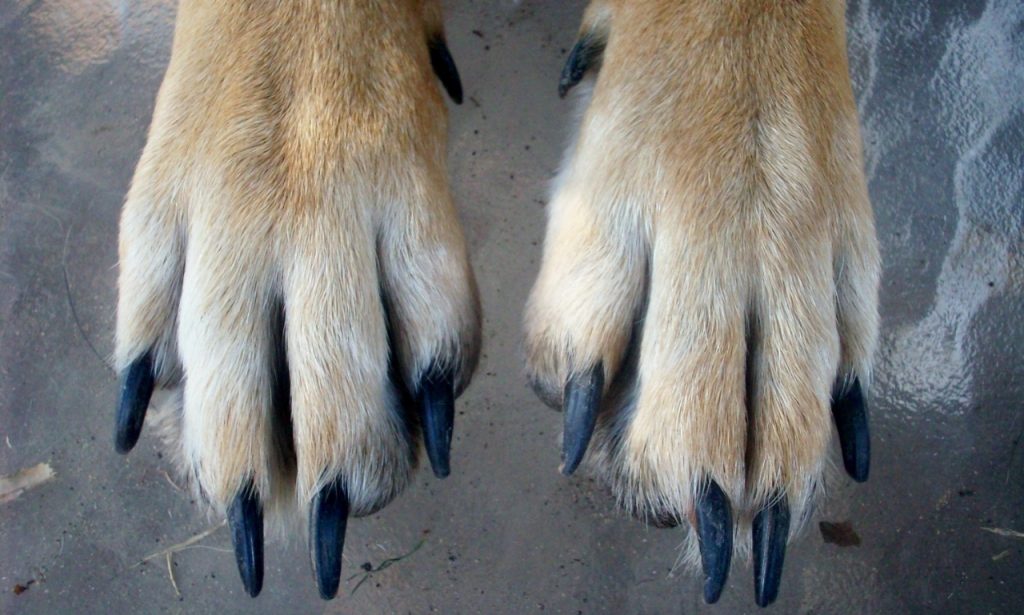
Nails are easy to overlook because they grow gradually. A dog or cat may adjust to longer nails without showing obvious distress. By the time an owner notices a problem, the animal may already have changed how it uses its paws.
Healthy nail length varies between animals. Breed, nail shape, activity, age, and the surfaces a pet walks on all matter. The real concern begins when nail length interferes with normal paw function or causes injury.
How Long Nails Create Pressure on Toes and Paw Pads
As nails grow, they may begin contacting the ground more noticeably. This can make standing and walking less comfortable, particularly on hard surfaces. Some dogs also struggle to gain traction when their nails are excessively long.
Severe overgrowth creates another concern. Nails can curve as they continue growing. In extreme cases, a curved nail may press against or penetrate the paw pad.
Cats face a similar problem, although their claws behave differently. Cats normally retract their claws and maintain them partly through scratching. Older cats and animals with limited mobility may not scratch enough to remove the outer claw layers effectively. Their claws can become thick and curved.
Once a nail presses into the paw pad, it is no longer a routine grooming issue. The damaged skin may become inflamed, painful, or infected.
Why Walking, Running, Jumping, and Playing Can Become Uncomfortable
Pet owners sometimes first notice long nails by hearing clicking across a hard floor. Others notice something less obvious. Their pet may hesitate before jumping, become cautious on smooth flooring, or seem uncomfortable during longer walks.
Not every change in movement comes from nails. Joint disease, paw injuries, muscle problems, and several other conditions can cause similar behavior. Nail length should therefore be considered alongside the animal’s overall condition.
This distinction matters because a pet that suddenly limps should not simply receive a nail trim and be assumed fine. Sudden or persistent mobility changes deserve closer attention.
What Happens if Pet Nails Get Too Long and Continue Growing?
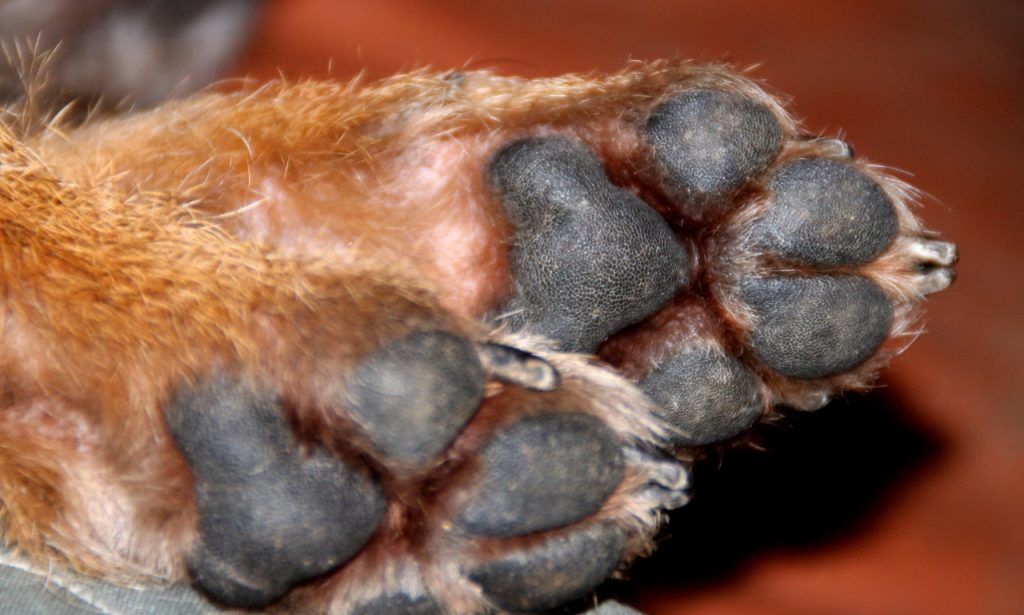
Leaving overgrown nails unmanaged increases the opportunity for injury. Longer nails can catch on household materials or outdoor surfaces. Curved nails can also begin growing toward sensitive structures around the paw.
Broken, Split, Torn, and Snagged Nails
An overgrown nail has more exposed length available to catch on something. Carpet, blankets, furniture, decking, vegetation, and rough outdoor surfaces can all become problems.
A snag may cause only minor damage, but a nail can also split or tear. Injuries involving the quick can be painful and may bleed considerably.
A pet with an injured nail may suddenly lick the paw, limp, or refuse to let anyone touch the affected toe. Handle a partially attached nail carefully. Pulling or cutting damaged tissue without knowing where the living portion begins can worsen the injury.
Bleeding that does not stop, severe pain, or a badly torn nail warrants professional veterinary care.
Curled Nails, Paw Pad Injuries, and Infection Risk
The consequences become more serious when nails grow far enough to curl into the foot. Dewclaws deserve particular attention because they may receive little natural wear from walking.
A nail pressing into a paw pad creates constant irritation. If it penetrates the skin, bacteria can enter the wound. Owners may notice swelling, redness, discharge, an unpleasant smell, or persistent licking.
Simply shortening an embedded nail may not address the whole problem. The wound may need cleaning and veterinary assessment, especially if infection is suspected.
How to Recognize When Your Pet’s Nails Are Too Long
There isn’t one perfect nail length for every dog or cat. Instead, owners can watch for changes in how the nails look, sound, and interact with the ground.
Physical Signs Owners Can Check at Home
Look at the paws while your pet is standing naturally. Excessive curling, obvious ground contact, cracking, unusual thickness, or nails approaching the paw pads deserve attention.
The familiar clicking sound on hard flooring can indicate that a dog’s nails need checking, although anatomy varies between dogs. Consider nail position rather than relying on sound alone.
Cats require slightly different observation. An unusually thick, curved, or hard-to-retract claw can cause problems. Regular paw checks are especially useful for senior cats.
Check the dewclaws too. Because these nails may not touch the ground, ordinary activity does little to wear them down.
Behavioral Signs That May Indicate Nail Pain
Animals cannot point to a sore nail, so discomfort often shows up in behavior. A pet may lick one foot repeatedly, pull away during paw handling, walk cautiously, or avoid activities it normally enjoys.
Limping deserves particular attention. So does suddenly refusing to place weight on one paw.
These behaviors do not prove that long nails are responsible. Check for swelling, foreign objects, cuts, damaged pads, or broken nails. Seek veterinary advice when pain is significant, unexplained, or persistent.
Why Some Pets Develop Overgrown Nails Faster Than Others
Two pets in the same household may need completely different grooming schedules. Nail growth is only part of the equation. Natural wear also determines how quickly nails become troublesome.
Age, Activity Level, Lifestyle, and Natural Nail Wear
An active dog that regularly walks on firm surfaces may experience more natural nail wear than a dog spending most of its time indoors or on soft ground. That does not mean active dogs never need nail care. Their nails still require routine inspection.
Senior animals deserve extra attention. Arthritis, illness, weakness, or reduced activity can mean less natural abrasion. Older cats may also groom and scratch less effectively.
Lifestyle changes matter too. A previously active pet recovering from surgery or spending more time indoors may suddenly need more frequent nail checks.
No universal trimming timetable suits every animal. Nail care works best when owners respond to actual growth rather than following an inflexible calendar.
When Abnormal Nail Growth Could Point to Another Problem
Length is not the only feature worth watching. Nails that suddenly become brittle, unusually thick, misshapen, discolored, or repeatedly damaged may need veterinary assessment.
One broken nail after an accident is different from changes affecting several nails. Multiple abnormal nails can sometimes indicate a broader health or skin problem.
This is where routine grooming becomes useful beyond appearance. Regularly handling the paws helps owners notice changes that might otherwise remain hidden.
How to Manage Long Nails Safely and Prevent Future Problems
Overgrown nails can often be improved, but removing too much length at once is not always safe. Understanding the quick is particularly important.
Trimming Overgrown Nails Without Cutting the Quick
Inside each nail is living tissue commonly called the quick. It contains blood vessels and nerves. Cutting into it causes pain and bleeding.
With prolonged nail growth, the quick may extend farther along the nail. Trying to restore a severely overgrown nail to an ideal length in one session can therefore cause injury.
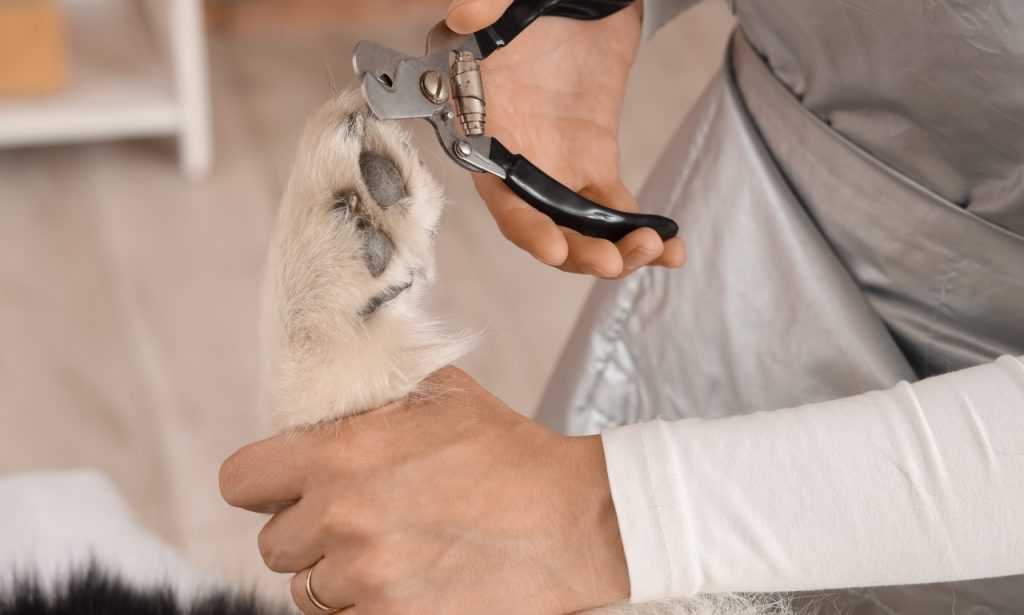
Gradual trimming is usually safer. You can remove small amounts over repeated sessions, allowing the nails to shorten without deliberately cutting living tissue.
Dark nails can make the quick harder to see. Owners who cannot identify a safe cutting point should consider professional help. A veterinarian or experienced groomer can also help when a pet becomes highly distressed during nail care.
Creating a Nail Care Routine and Knowing When a Vet Is Needed
Good nail care starts with observation, not waiting for a problem. Handle your pet’s paws regularly and inspect every nail, including dewclaws. For cats, suitable scratching surfaces can support normal claw maintenance, though some animals still need trimming.
Make paw handling calm and predictable. Pets that learn early that having their feet touched is ordinary are often easier to groom later.
Professional help becomes important when nails are embedded in paw pads, actively bleeding, severely torn, infected, or causing substantial pain. Persistent limping, swelling, pus, or an unusual smell should also prompt a vet visit.
Conclusion
So, what happens if pet nails get too long? The effects can range from simple snagging and discomfort to torn nails, curved claws, paw pad wounds, and infection. Problems are much easier to manage when you notice excessive growth before the nail damages surrounding tissue.
Regular paw checks are therefore as valuable as regular trimming. Watch for changes in nail shape, paw sensitivity, activity, and walking comfort. If a nail has already caused an injury, or you are unsure how far it can be safely shortened, professional care is the safer choice.
Also Read: Why Do Some Pets Require More Care Than Others?
Frequently Asked Questions
Cutting only the nonliving tip should not hurt. Cutting into the quick can cause immediate pain and bleeding.
Some pets dislike paw handling, clipper sounds, restraint, or previous painful experiences. Gradual handling practice can help reduce anxiety.
Pet-specific clippers are generally more appropriate because animal nails differ in thickness and shape from human nails.
Apply gentle pressure and use a suitable clotting product if available. Contact a veterinarian if bleeding continues or the injury appears significant.
