

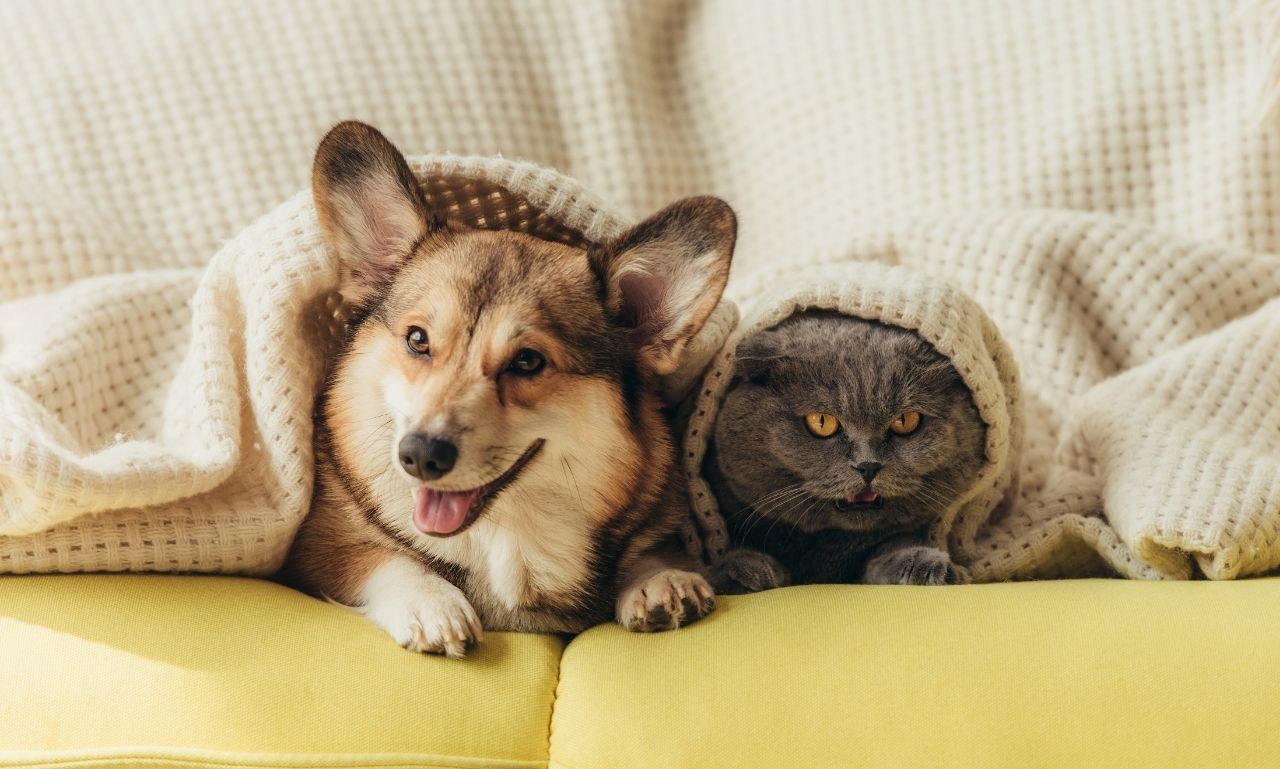
Many pet owners notice that their indoor cat or dog seems quieter during the colder months and wonder: can indoor pets develop seasonal depression? While pets do not experience Seasonal Affective Disorder in the same way humans do, seasonal changes can influence their mood, energy levels, and behavior in noticeable ways.
Understanding why these changes occur can help owners distinguish between normal seasonal adjustments and signs that deserve veterinary attention.
Understanding Seasonal Changes in Indoor Pets
What Seasonal Depression Means in Pets and How It Differs From Human Seasonal Affective Disorder
The question of whether indoor pets can develop seasonal depression has attracted growing attention from veterinarians and animal behavior specialists. Although there is no formal diagnosis of Seasonal Affective Disorder for dogs or cats, research and clinical experience suggest that seasonal shifts can influence their emotional and physical well-being.
Humans with Seasonal Affective Disorder often experience changes linked to shorter daylight hours and altered production of hormones such as melatonin and serotonin. Animals also rely on natural light to regulate biological rhythms, but their responses vary by species, age, breed, and lifestyle.
Rather than true depression, many indoor pets experience temporary behavioral changes. They may sleep longer, become less interested in play, or appear less energetic. These changes are often mild and resolve naturally as the seasons change.
It is also worth remembering that pets cannot describe how they feel. Veterinarians must interpret behavior alongside physical health, making careful observation essential.
How Changes in Daylight, Temperature, and Daily Routines Affect Indoor Cats and Dogs
Even pets that rarely leave the house remain connected to seasonal patterns. Indoor environments may seem constant, but daylight entering through windows changes significantly throughout the year.
Shorter days often mean less natural light reaches your home. This may alter your pet’s internal body clock, influencing sleep cycles, feeding habits, and activity levels.
Daily routines also tend to change during colder seasons. Owners may spend less time outdoors, shorten walks, or become busier during holiday periods. Dogs often receive less exercise, while indoor cats may lose opportunities for interactive play if household schedules become less predictable.
Heating systems create warmer indoor temperatures but cannot replace natural environmental stimulation. As a result, some pets become bored rather than depressed, even though the behaviors may appear similar.
Signs That May Look Like Seasonal Depression in Indoor Pets
Behavioral Changes Such as Sleeping More, Reduced Playfulness, and Lower Energy
Owners asking whether indoor pets can develop seasonal depression are usually responding to visible changes in behavior. Some common signs include increased sleeping, lower enthusiasm for games, slower movement around the home, and less interest in social interaction.
Cats may spend more time curled up in quiet locations, especially near sunny windows or warm blankets. Dogs may appear reluctant to begin walks or prefer resting indoors instead of engaging in familiar activities.
Changes in appetite can also occur. Some pets eat slightly more during colder weather, while others seem less interested in meals. Mild weight fluctuations sometimes follow these seasonal changes.
These behaviors alone rarely indicate serious illness. Many healthy animals naturally conserve energy during darker months. The key is observing whether the changes remain mild and temporary.
When Mood Changes May Actually Point to a Medical Condition Instead of Seasonal Behavior
Not every quiet pet is experiencing seasonal adjustment. Several medical conditions can produce symptoms that resemble depression.
Joint pain often worsens in cooler weather, making older dogs and cats less active. Arthritis, dental disease, thyroid disorders, chronic pain, infections, and digestive problems can all reduce energy and enthusiasm.
Behavioral changes that deserve prompt veterinary evaluation include sudden withdrawal, complete loss of appetite, persistent vomiting, difficulty breathing, significant weight loss, or unusual aggression.
A veterinarian will usually perform a physical examination before assuming seasonal influences are responsible. Identifying an underlying medical problem early often leads to better outcomes than waiting for the season to change.
Why Indoor Pets May Seem Different During Winter or Darker Months
The Role of Natural Light, Circadian Rhythms, Melatonin, and Environmental Stimulation
Natural light plays a major role in regulating circadian rhythms, the internal clocks that guide sleep, hormone production, and daily activity.
As daylight decreases, melatonin production often increases. This hormone helps regulate sleep and rest cycles across many animal species. More melatonin may contribute to increased drowsiness during winter months.
Indoor pets also experience reduced environmental stimulation. Fewer open windows, quieter gardens, and less wildlife activity limit the sights, sounds, and scents that normally keep curious animals mentally engaged.
Cats especially enjoy observing birds, insects, and changing outdoor activity. During winter, these opportunities often decrease, reducing everyday enrichment.
How Owner Lifestyle Changes, Reduced Exercise, and Less Mental Enrichment Influence Pet Behavior
Sometimes the biggest seasonal change is not the weather but the owner’s routine.
People may return home after dark, shorten evening walks, or spend less time playing outside. Dogs that once enjoyed long daily walks may suddenly receive only brief bathroom breaks.
Indoor cats also notice changes in household activity. Less interactive play, fewer climbing challenges, and predictable routines may increase boredom.
Mental stimulation matters as much as physical exercise. Puzzle feeders, scent games, climbing furniture, and short training sessions encourage natural behaviors that keep pets mentally active throughout the year.
This explains why some animals appear happier after receiving new enrichment, even when outdoor conditions remain unchanged.
How to Support an Indoor Pet During Seasonal Changes
Practical Ways to Increase Physical Activity, Mental Enrichment, and Natural Light Exposure
Supporting indoor pets begins with maintaining consistency.
Open curtains during daylight hours so pets receive as much natural sunlight as possible. Place resting areas near safe windows where cats and dogs can comfortably watch outdoor activity.
Daily exercise remains important regardless of season. Dogs benefit from regular walks, even if they are shorter on particularly cold or rainy days. Indoor games such as fetch, hide-and-seek, or scent searching provide valuable alternatives.
Cats often enjoy rotating toys instead of leaving the same ones available every day. Wand toys, puzzle feeders, scratching posts, and climbing shelves encourage movement and satisfy natural hunting instincts.
Small adjustments made consistently often have a greater impact than occasional bursts of activity.
Creating a Healthy Indoor Environment With Consistent Routines, Interactive Toys, and Quality Social Interaction
Pets thrive on predictable routines.
Feeding, walks, grooming, and bedtime should occur at similar times whenever possible. Consistency reduces stress and helps regulate biological rhythms throughout the year.
Social interaction also matters. Many dogs depend heavily on family engagement, while cats often appreciate short but regular periods of play or gentle affection on their own terms.
A stimulating environment can include window perches, food puzzles, treat searches, climbing opportunities, and opportunities to explore new scents safely inside the home.
For households with multiple pets, monitoring individual behavior is important. One animal may adapt well to seasonal changes while another requires additional attention.
What Veterinarians Say About Seasonal Depression in Indoor Pets
What Current Research Reveals About Seasonal Mood Changes in Cats and Dogs
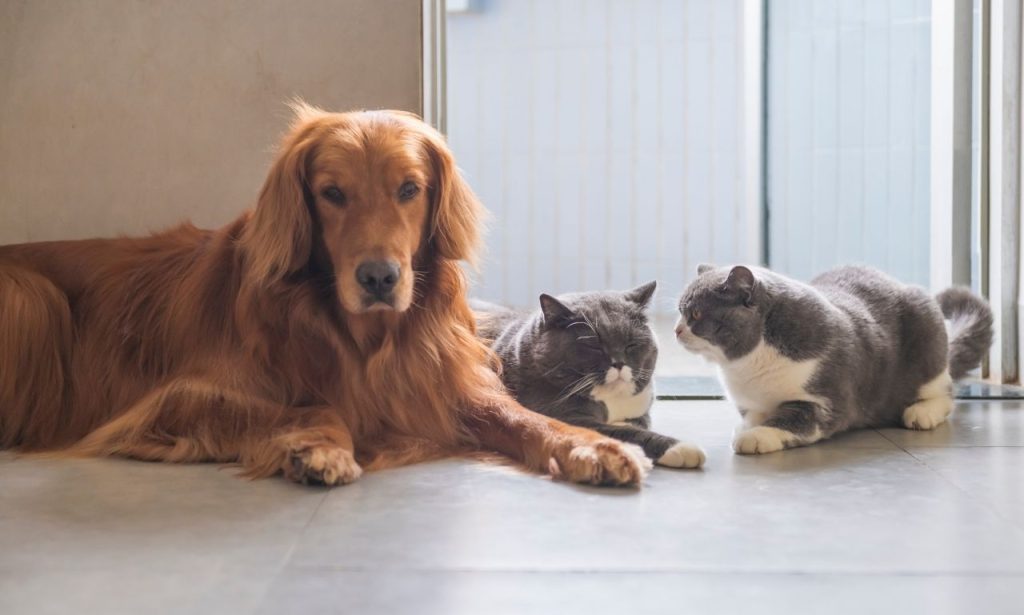
Scientific research continues to explore seasonal behavior in companion animals. Evidence suggests that daylight, hormone regulation, and environmental changes influence activity levels in many species.
Veterinarians generally agree that dogs and cats can display seasonal behavioral changes. However, there is limited evidence supporting a direct diagnosis equivalent to human Seasonal Affective Disorder.
Instead, experts often view these changes as a combination of biological responses, reduced stimulation, altered routines, and underlying health factors.
This balanced perspective helps explain why some pets experience only subtle changes while others show more noticeable differences.
When to Seek Veterinary Advice and What Treatments or Behavior Management Strategies May Be Recommended
If you continue asking yourself, can indoor pets develop seasonal depression, the safest approach is to watch for changes that persist beyond several weeks or become progressively worse.
Veterinarians may recommend physical examinations, blood testing, dietary adjustments, increased exercise, behavioral enrichment, or referral to a veterinary behavior specialist when necessary.
Treatment depends entirely on the underlying cause. If boredom drives the behavior, environmental enrichment may solve the problem. If chronic pain or illness is responsible, medical treatment becomes the priority.
Early evaluation provides reassurance and prevents more serious conditions from being overlooked.
Conclusion
So, can indoor pets develop seasonal depression? The evidence suggests that while indoor cats and dogs are unlikely to experience seasonal depression exactly as humans do, seasonal changes can certainly affect their mood, activity, and behavior. Shorter days, reduced stimulation, altered routines, and less exercise all contribute to these shifts.
Most seasonal changes are mild and improve with consistent routines, enrichment, natural light, and regular activity. However, persistent behavioral changes should never be dismissed as simply winter blues. A veterinary assessment remains the best way to ensure your pet stays healthy, comfortable, and emotionally well throughout every season.
Also Read: What Smells Calm Anxious Pets Naturally?
FAQs
Yes. Less natural light may influence activity levels and sleep patterns in some pets.
Yes. Senior pets often experience greater changes because arthritis and other age-related conditions may worsen during colder weather.
Artificial lighting helps maintain visibility but does not fully replace the benefits of natural daylight.
Most healthy pets do not need dietary changes unless advised by a veterinarian.
