

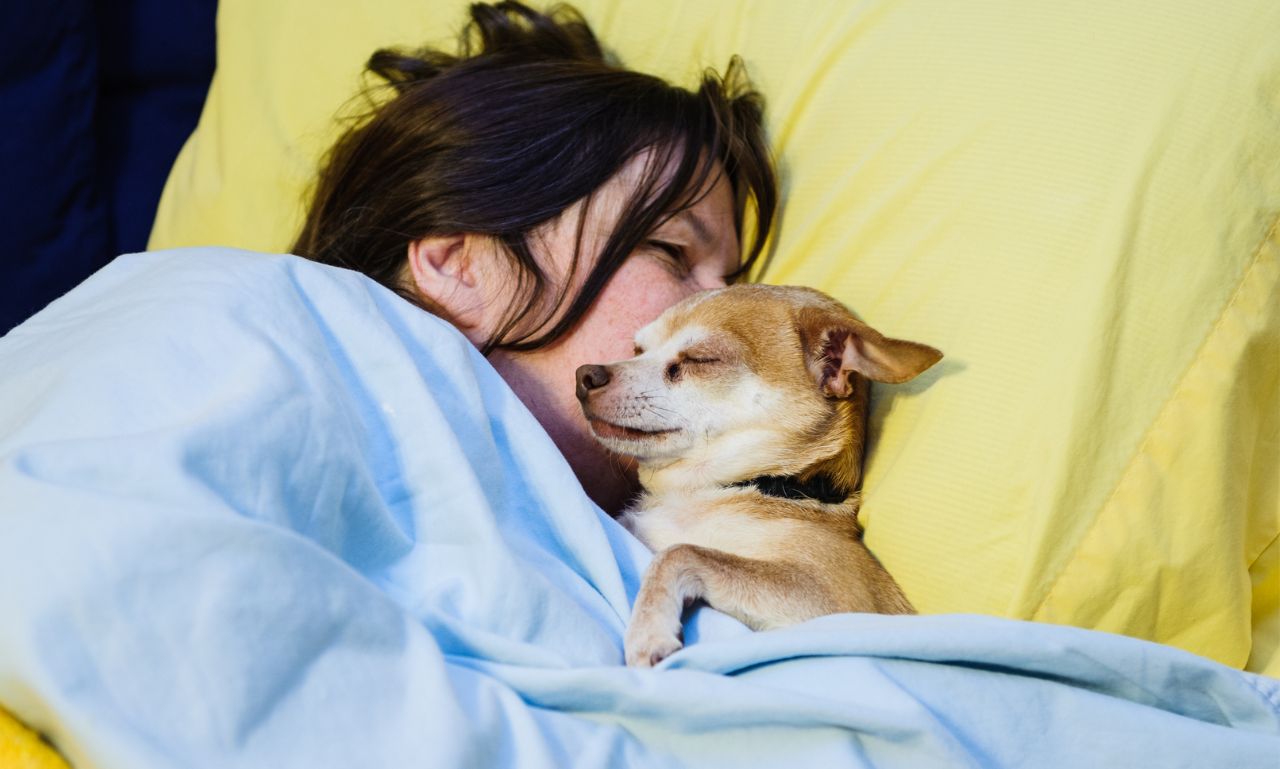
If you’ve ever woken up with your dog pressed against your leg, curled up by your feet, or stretched across your chest, you’re not alone. Many dog owners experience this every night and often wonder what it means.
Dogs have unique sleeping habits, and where they choose to rest can reveal a lot about their emotions and instincts. While some people assume it’s simply because dogs enjoy warmth, the reasons often go much deeper. Their behavior is influenced by thousands of years of evolution, social bonding, and trust.
Veterinarians and animal behaviorists frequently point out that sleeping close to humans is a natural extension of the relationship dogs have built with people. In many ways, it reflects the same social behaviors seen within canine packs.
So, why do dogs sleep touching their owners? Let’s explore the fascinating reasons behind this common habit and what your furry companion may be trying to tell you.
Pack Instincts and the Need for Security

Long before dogs became beloved family pets, their ancestors survived by living in packs. Wolves and wild dogs often slept close together for warmth, protection, and safety. Although today’s dogs may spend their days lounging on couches instead of hunting in forests, many of those instincts remain intact.
When your dog sleeps touching you, they may see you as part of their pack. Staying close creates a sense of security that has been hardwired into canine behavior for generations. Physical proximity allows dogs to feel protected, especially during vulnerable moments like sleep.
Animal behavior experts often compare this habit to the way young puppies sleep, piled together with their littermates. Those early experiences help create lifelong associations between closeness and safety.
Think about it from your dog’s perspective. When they rest beside someone they trust, they’re choosing the safest spot available. That’s a powerful compliment.
How Physical Contact Strengthens the Human-Dog Bond
Dogs are social creatures. Unlike cats, who are often more independent, dogs thrive on interaction and connection.
Touch plays a major role in strengthening bonds. Scientific studies have shown that positive interactions between dogs and humans can increase oxytocin levels. Oxytocin is often called the “love hormone” because it helps create feelings of attachment and trust.
Sleeping against you may be your dog’s way of maintaining that connection. It’s similar to how people hug loved ones or hold hands with someone they care about.
Many dog owners notice that their pets choose to sleep next to them even when comfortable dog beds are nearby. Comfort certainly matters, but emotional closeness often matters more.
What Does It Mean When Your Dog Sleeps Against You?
Signs of Trust, Affection, and Emotional Attachment
Dogs don’t sleep deeply around people they don’t trust. Sleep leaves animals vulnerable, and choosing to rest beside someone is often a sign of confidence and comfort.
When your dog presses against you during the night, they’re showing affection in a way that feels natural to them. It may not involve words or grand gestures, but the message is clear.
Veterinarians frequently explain that dogs form emotional attachments similar to those seen between family members. While dogs don’t experience emotions exactly like humans do, they absolutely develop strong social bonds.
A Labrador owner once shared with a trainer that her dog refused to sleep unless one paw touched her leg. The dog wasn’t seeking attention. It simply found reassurance in knowing its favorite human was nearby.
How Dogs Use Body Contact to Communicate Comfort
Dogs communicate constantly through body language. Sleeping positions are part of that communication system.
Leaning against you, resting a paw on your arm, or curling up beside your back can all signal comfort and relaxation. These behaviors often indicate that your dog feels content in your presence.
Physical contact also allows dogs to monitor their surroundings while remaining relaxed. Small movements, sounds, or changes in your position can provide reassurance that everything is normal.
In some cases, touching serves as a gentle reminder that they’re there. It’s almost as if your dog is saying, “We’re good, right? I’m staying close.”
Different Reasons Dogs Choose Specific Sleeping Positions
Why Dogs Sleep on Your Feet, Legs, or Chest
Not all sleeping positions are the same. The location your dog chooses can provide additional clues about their personality and feelings.
Dogs that sleep on your feet may be expressing loyalty while remaining alert to their environment. This position allows them to stay connected without feeling confined.
Resting against your legs is one of the most common choices. It provides warmth, comfort, and a sense of companionship.
Meanwhile, dogs that sleep on your chest often seek maximum closeness. Smaller breeds frequently choose this position because they enjoy hearing their owner’s heartbeat and feeling secure.
Of course, some dogs have a quirky sense of personal space. Every dog is different.
What Various Sleeping Positions Reveal About Your Dog’s Feelings
A dog curled tightly against your side usually feels safe and protected. This position mimics how puppies sleep together and often indicates trust.
Dogs that stretch out while touching you may be completely relaxed. They don’t feel the need to stay guarded because they trust their surroundings.
Some dogs place their backs against their owners. This may seem unusual, but it can actually be a sign of confidence. By exposing vulnerable areas, they’re demonstrating that they feel secure.
Behaviorists often remind owners not to overanalyze every position. Context matters. Age, breed, temperature, and individual personality all influence sleeping habits.
Should You Be Concerned If Your Dog Always Touches You While You’re Sleeping?
Normal Affection vs. Separation Anxiety
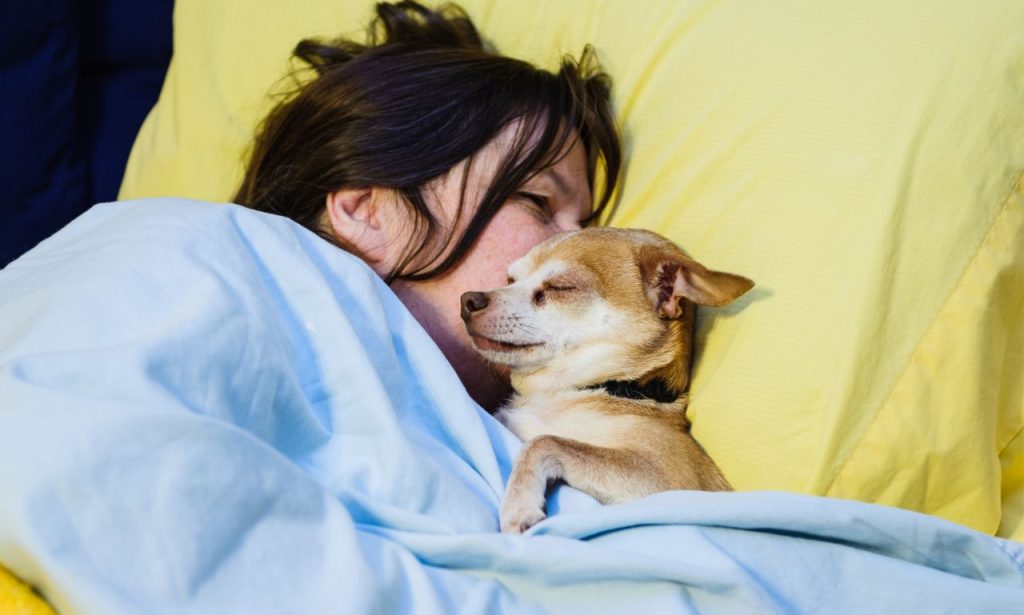
Most of the time, sleeping close to owners is perfectly normal. It reflects affection, trust, and social bonding.
However, there are situations where excessive clinginess may signal something more. Dogs experiencing separation anxiety often show signs beyond bedtime behavior.
For example, they may become distressed when left alone, bark excessively, destroy household items, or pace near doors and windows.
If your dog enjoys sleeping beside you but remains confident throughout the day, there’s usually no reason for concern. Many healthy and well-adjusted dogs prefer physical contact during sleep.
The key is to observe the bigger picture rather than focus on a single behavior.
When Clingy Sleeping Habits May Signal a Behavioral Issue
Occasionally, sudden changes in sleeping behavior deserve attention.
A dog that abruptly becomes unusually attached may be responding to stress, illness, environmental changes, or aging-related concerns. Senior dogs sometimes seek extra comfort when dealing with cognitive decline or reduced hearing and vision.
Likewise, dogs recovering from frightening experiences may become more dependent on familiar people.
If you notice additional symptoms such as loss of appetite, excessive vocalization, restlessness, or unusual aggression, consulting a veterinarian is a smart move.
Trust your instincts. You know your dog’s normal behavior better than anyone else.
Is It Good to Let Your Dog Sleep Next to You?
Benefits of Co-Sleeping With Your Dog for Both Pet and Owner
Many people enjoy sharing sleeping space with their dogs, and there can be genuine benefits.
For dogs, sleeping near their owners often reduces stress and promotes feelings of safety. The close bond can contribute to emotional well-being and confidence.
Owners may benefit too. Some studies suggest that sleeping near pets can provide comfort and reduce feelings of loneliness. Many people report sleeping more peacefully when their dog is nearby.
Anyone who has had a difficult day knows the calming effect of hearing a contented dog snoring softly at the foot of the bed.
Co-sleeping can also strengthen the human-animal relationship. Shared routines help create consistency and trust.
Potential Drawbacks, Safety Considerations, and Expert Advice
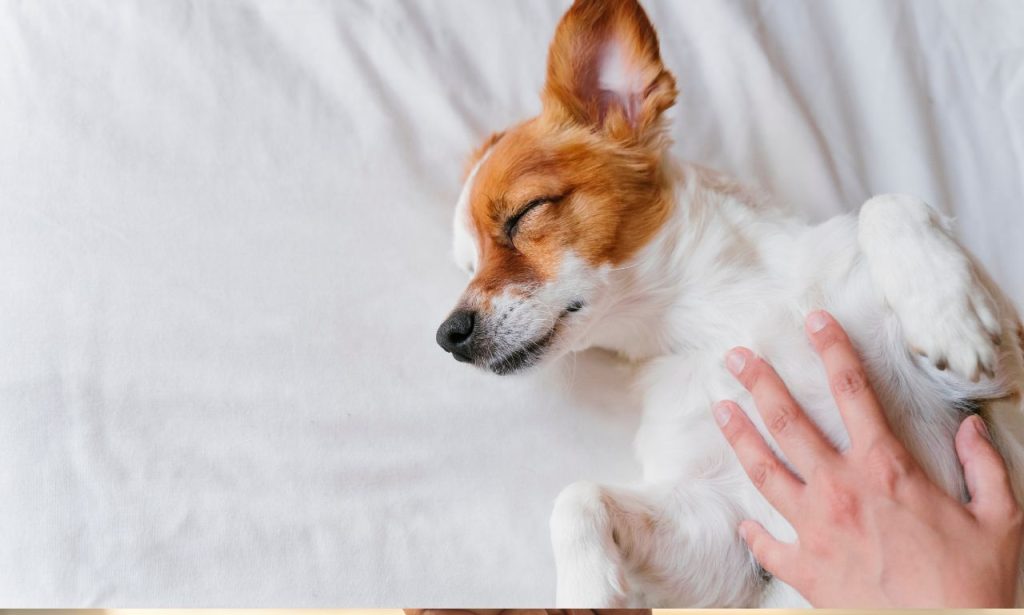
Despite the benefits, co-sleeping isn’t ideal for every household.
Light sleepers may find themselves waking when dogs move around at night. Large breeds can also take up surprising amounts of bed space. Ask any Great Dane owner, and you’ll probably hear a funny story or two.
Health considerations matter as well. Individuals with allergies, compromised immune systems, or certain sleep disorders may need separate sleeping arrangements.
Veterinarians generally recommend establishing clear boundaries. Whether your dog sleeps in your bed or on a nearby dog bed, consistency helps prevent confusion.
Ultimately, the best choice depends on your lifestyle, your dog’s temperament, and the quality of sleep everyone receives.
Conclusion
Why Do Dogs Sleep Touching Their Owners? In most cases, the answer comes down to trust, affection, security, and deeply rooted pack instincts. Dogs are social animals that naturally seek comfort from those they consider family.
Whether your dog curls up at your feet, leans against your leg, or claims half your bed every night, the behavior usually reflects a strong emotional bond. It shows they feel safe, protected, and connected to you.
Next time you wake up with a furry companion pressed against your side, take a moment to appreciate what it means. Your dog isn’t just looking for a warm spot. They’re choosing to spend their most vulnerable hours close to someone they trust completely.
Also Read: Why Do Dogs Tilt Their Heads at Sounds?
FAQs
Dogs often sleep touching their owners because it provides security, comfort, warmth, and strengthens their social bond.
In many cases, yes. Dogs often choose to sleep near the person they trust most and feel most attached to.
Some dogs may remain alert and protective while resting nearby, although affection and comfort are usually the primary reasons.
If both you and your dog sleep comfortably and there are no health concerns, sharing a bed is generally fine.
