

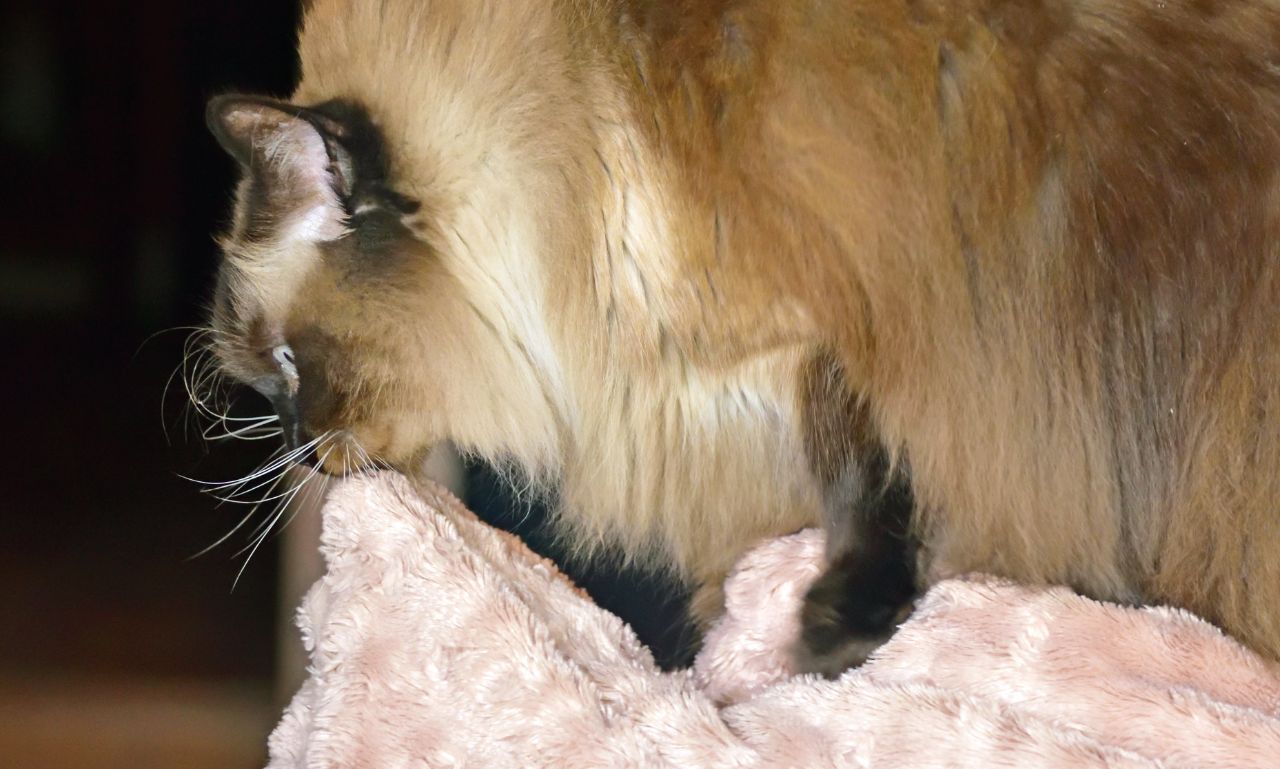
If you’ve ever shared your home with a cat, you’ve probably witnessed the scene. Your feline jumps onto a blanket, starts pressing its paws into the fabric one at a time, purrs softly, and then settles down for a nap. It’s adorable, slightly mysterious, and often leaves cat owners asking the same question: Why Do Cats Knead Blankets Before Sleeping?
Around the world, cat lovers affectionately call this behavior “making biscuits” because it resembles someone kneading dough. While it looks cute, there’s much more happening beneath the surface. This habit is tied to kittenhood memories, instincts, emotional comfort, and even ancient survival behaviors passed down through generations.
The next time your cat transforms your favorite blanket into an imaginary bakery, you’ll understand exactly what’s going on.
What Does It Mean When a Cat Kneads a Blanket?
Kneading is one of the most common feline behaviors, yet many owners don’t fully understand why it happens. The good news is that, in most cases, it’s a positive sign.
Cats typically knead when they feel comfortable, safe, and relaxed. The behavior often appears before sleep, during cuddles, or while resting in a favorite spot.
How Cats Use Their Paws in a Rhythmic Kneading Motion
Watch your cat carefully during a kneading session. One paw presses down while the other lifts. Then the movement switches. The pattern continues in a slow, steady rhythm that can last several minutes.
Many cats seem completely absorbed in the moment. Their eyes become half-closed, their breathing slows, and gentle purring often follows. Some cats even appear to enter a dreamlike state while kneading.
Veterinary behaviorists often describe kneading as a self-soothing activity. Similar to how some people tap their fingers, rock in a chair, or fluff pillows before bed, cats use repetitive motions to help themselves relax.
One cat owner shared on a feline behavior forum that her rescue cat kneads the same fleece blanket every night at exactly 9 p.m., then curls up beside her. Stories like these are surprisingly common, showing just how deeply ingrained this ritual can become.
Why Blankets Are a Favorite Surface for Kneading
Not every surface encourages kneading. Soft blankets, plush comforters, and fluffy throws seem to be irresistible.
Part of the reason comes down to texture. Soft materials provide enough resistance for cats to push against comfortably. At the same time, they mimic the warmth and softness kittens experience during their earliest weeks of life.
Scent also plays a major role. Cats view the world through their noses. A blanket carrying familiar household smells becomes a source of reassurance. This explains why a cat may ignore a brand-new pet bed and instead choose an old blanket that’s been around for years.
Many cat owners have learned the hard way that the most expensive bed in the house often loses to a well-loved throw blanket.
The Instinctive Reasons Cats Knead Before Sleep
Although kneading looks like a simple bedtime routine, its roots stretch back to the earliest stages of a cat’s life.
Instinct drives much of what cats do, and kneading is no exception.
How Nursing as Kittens Creates Lifelong Kneading Habits
The behavior starts shortly after birth. Nursing kittens instinctively knead their mother’s belly while feeding. The motion helps stimulate milk production and encourages a steady flow of nourishment.
Every feeding session creates positive associations. Warmth, safety, food, and comfort become linked to the kneading motion. As cats grow older, those associations often remain.
Years later, an adult cat may still knead because the movement triggers feelings of security and contentment. In many ways, it’s a comforting reminder of one of the safest periods of its life.
Interestingly, some feline behavior specialists have observed that cats weaned earlier than usual occasionally display stronger kneading habits. While every cat is different, early experiences can sometimes shape lifelong behaviors.
Why Kneading Helps Cats Prepare a Safe and Comfortable Sleeping Spot
Long before cats lounged on couches and king-sized beds, their wild ancestors slept in grass, leaves, and other natural materials.
Kneading likely served a practical purpose. By pressing down vegetation, cats could create a flatter, more comfortable sleeping area. This process may also have helped reveal hidden insects or small hazards.
Modern house cats no longer need to prepare sleeping spots in the wild. Yet instincts don’t disappear overnight. Many behaviors survive long after their original purpose has faded.
When your cat kneads a blanket before sleeping, it may be responding to an ancient instinct that once helped wild felines create safer resting places.
It’s a fascinating reminder that even the most pampered indoor cat still carries traces of its wild heritage.
Emotional and Psychological Benefits of Kneading for Cats
Beyond instinct, kneading plays an important role in a cat’s emotional well-being.
For many cats, it’s simply a way to feel good.
How Kneading Helps Cats Feel Relaxed, Secure, and Content
Have you ever noticed that cats rarely knead when they’re frightened or stressed?
Instead, the behavior almost always appears when they feel completely comfortable. That’s why many experts view kneading as a sign of happiness and relaxation.
The repetitive motion appears to reduce tension and help cats unwind. Combined with purring, it creates a calming routine that prepares the body for sleep.
Think about your own bedtime habits. Some people read a book, listen to music, or enjoy a cup of tea before bed. Cats have their own version of relaxation rituals, and kneading often tops the list.
The next time your cat starts making biscuits, consider it a compliment. They’re comfortable enough to let their guard down completely.
Why Cats Associate Their Owners, Blankets, and Beds with Comfort
Cats form strong emotional connections with places and people they trust.
Your bed, favorite chair, or lap may become a source of security because it consistently provides warmth, affection, and safety. As a result, many cats choose these locations for kneading.
This explains why some cats insist on kneading directly on their owners. It’s not an attempt to annoy you—quite the opposite.
The behavior often reflects trust and affection. Your cat associates you with positive experiences, so kneading becomes a natural expression of comfort.
Many owners notice increased kneading after returning home from a vacation or business trip. Familiar scents and routines help cats feel reassured after a period of change.
In a way, kneading can be viewed as a small but meaningful sign of your bond.
Should Cat Owners Be Concerned About Excessive Kneading?
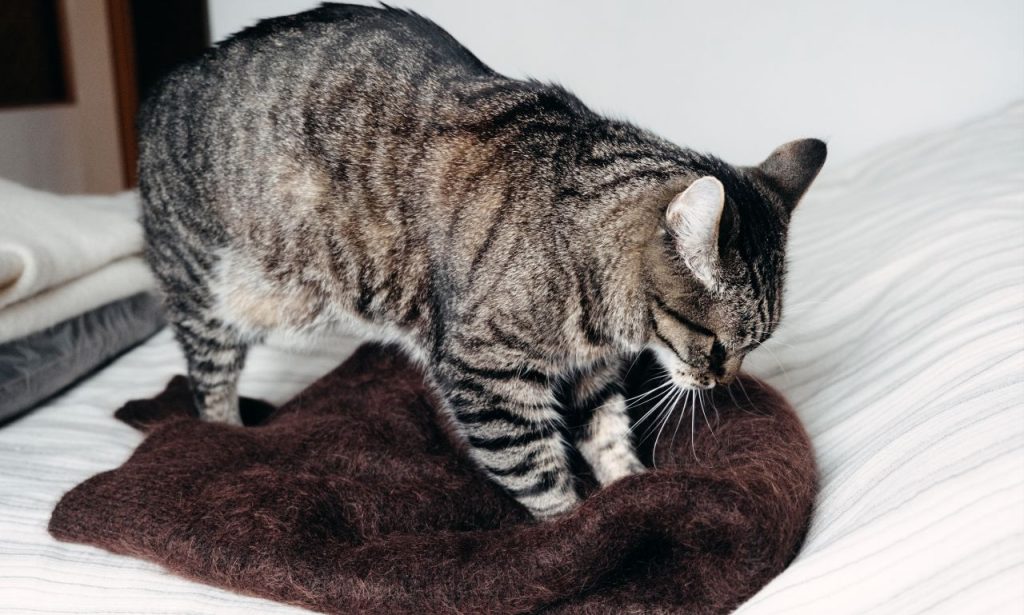
Most of the time, kneading is perfectly normal. However, there are situations where it may deserve closer attention.
Understanding the difference can help you determine whether your cat’s behavior is healthy or potentially problematic.
When Kneading Is a Completely Normal Feline Behavior
Healthy kneading usually occurs during calm moments. Cats often knead before naps, bedtime, or while receiving attention from people they trust.
The behavior should appear relaxed and natural. A cat may knead for several minutes before settling down comfortably.
Frequency varies widely. Some cats knead every day, while others rarely do it. Personality, breed, and life experiences all influence how often the behavior appears.
As long as your cat remains healthy and happy, occasional kneading is generally nothing to worry about.
Signs That Kneading, Blanket Sucking, or Obsessive Behavior May Need Veterinary Attention
Problems can arise when kneading becomes excessive or develops into compulsive behavior.
Some cats obsessively suck, chew, or swallow pieces of fabric while kneading. This can create serious health risks if the material causes an intestinal blockage.
Sudden changes also deserve attention. If a cat that never kneaded before suddenly becomes fixated on blankets, stress or medical issues could be contributing factors.
Look for warning signs such as excessive drooling, fabric ingestion, weight loss, skin irritation, or unusual anxiety. When these symptoms appear, consulting a veterinarian is always a smart decision.
Most cats knead without any issues. Still, it’s important to recognize when normal behavior starts to cross into unhealthy territory.
Other Interesting Cat Behaviors That Often Accompany Kneading
Kneading rarely happens by itself. Many cats pair the behavior with other fascinating habits that reveal even more about their emotional state.
Why Some Cats Purr, Drool, or Suck on Blankets While Kneading
Purring is probably the most common companion behavior. The combination of purring and kneading usually signals deep relaxation.
Some cats also drool slightly while kneading. Although it can surprise owners, mild drooling often indicates that a cat feels extremely content.
Blanket sucking is another behavior that frequently appears alongside kneading. Many experts believe it stems from nursing instincts that continue into adulthood.
Certain breeds, including Siamese cats, seem more likely to display blanket-sucking behavior. As long as the cat isn’t ingesting fabric, it is usually harmless.
For many cats, these actions are simply extensions of the same comfort-seeking behavior.
Do All Cats Knead Before Sleeping and Why Some Cats Knead More Than Others?
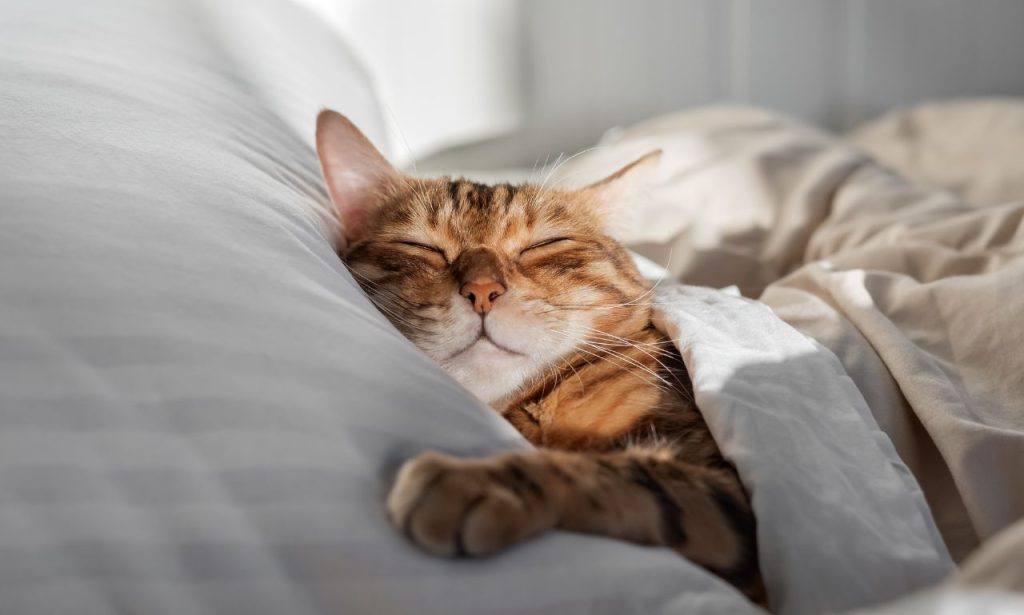
Not every cat kneads, and that’s perfectly normal.
Some felines display the behavior daily, while others rarely do it at all. Individual personality plays a huge role.
Affectionate cats often knead more frequently because they seek comfort through physical contact. Early life experiences can also influence how strongly the behavior develops.
Breed tendencies may contribute as well. Certain breeds are naturally more social and expressive than others.
Environmental factors matter too. Cats living in calm, predictable homes tend to display natural behaviors more confidently. Meanwhile, shy or anxious cats may show different patterns.
Every cat is unique. Whether your cat kneads every night or never does, variation is completely normal.
Conclusion
So, Why Do Cats Knead Blankets Before Sleeping? The answer involves a fascinating mix of instinct, comfort, memory, and emotional security.
What begins as a nursing behavior in kittenhood often becomes a lifelong habit. Along the way, kneading helps cats relax, prepare comfortable sleeping spots, and express feelings of trust and contentment.
For cat owners, these little moments offer a glimpse into the emotional world of their pets. Every kneading session tells a story about comfort, safety, and the powerful instincts that still influence domestic cats today.
The next time your furry friend starts making biscuits on your favorite blanket, don’t rush them. Instead, take it as a sign that they feel completely at home.
Also Read: Why Do Some Pets Refuse to Drink Water?
FAQs
In most cases, yes. Kneading usually indicates that a cat feels safe, content, and emotionally secure.
Purring often accompanies kneading because both behaviors are associated with relaxation and positive emotions.
No. Kneading is a natural feline behavior unless it becomes obsessive or involves chewing and swallowing fabric.
Your cat likely associates you with safety, affection, and comfort, making you a preferred surface for kneading.
