

Few things worry pet owners more than seeing a full water bowl stay untouched all day. Whether you have a playful puppy, a senior dog, or a curious cat, water is one of the most important parts of their daily routine. Yet many pets occasionally refuse to drink, leaving owners wondering if something is wrong.
The truth is that a pet’s drinking habits can change for many reasons. Sometimes the cause is harmless, such as stress from a new environment. In other cases, refusing water may signal an underlying health issue that requires veterinary attention.
If you’ve ever caught yourself asking, “Why is my pet not drinking water?” you’re not alone. Veterinarians frequently receive questions about hydration because water intake is closely linked to overall health. Understanding the reasons behind this behavior can help you act quickly and protect your furry companion from serious complications.
Why Is Water Essential for Your Pet’s Health?
Water makes up a significant portion of a pet’s body. Every organ relies on proper hydration to function correctly. Without enough water, even healthy pets can experience problems ranging from mild fatigue to life-threatening dehydration.
How Proper Hydration Supports Vital Body Functions
Water does far more than quench thirst. It helps regulate body temperature, transport nutrients, lubricate joints, and remove waste products through urine and digestion.
Think about a dog running around a park on a warm afternoon. As the dog pants, moisture evaporates from its body. Fresh water replenishes those losses and prevents overheating. Cats benefit in similar ways, although they naturally tend to drink less than dogs.
Veterinarians often point out that hydration affects nearly every system in the body. Healthy kidneys depend on adequate water intake to filter toxins effectively. Digestive processes also rely on water to move food through the gastrointestinal tract.
A dehydrated pet may appear sluggish or uninterested in activities they usually enjoy. Over time, insufficient hydration can place strain on organs and increase the risk of serious medical conditions.
How Much Water Should Different Pets Drink Daily?
Water requirements vary depending on species, size, age, activity level, and diet.
A common veterinary guideline suggests that dogs need approximately one ounce of water per pound of body weight each day. A 20-pound dog, for example, may require around 20 ounces of water daily.
Cats generally drink less. Their ancestors lived in desert environments, which explains why many cats obtain a portion of their hydration from food. Pets eating wet food often consume less water directly because moisture is already present in their meals.
Hot weather, exercise, illness, and pregnancy can significantly increase water needs. Monitoring your pet’s normal drinking habits makes it easier to spot changes before they become serious.
What Causes Pets to Refuse Drinking Water?
When pets stop drinking, owners often assume the worst. Fortunately, the reason is not always a major health concern. The challenge lies in identifying whether the cause is behavioral or medical.
Medical Conditions That Can Affect Your Pet’s Thirst
Several health issues can reduce a pet’s desire to drink water.
Dental disease is one of the most overlooked causes. Painful gums, broken teeth, or oral infections can make drinking uncomfortable. A pet may approach the bowl but walk away after taking only a few sips.
Nausea can have a similar effect. Pets experiencing digestive upset may avoid both food and water. Kidney disease, liver disease, infections, and certain cancers can also alter drinking behavior.
Veterinarians frequently see dehydration linked to fever, vomiting, or diarrhea. These conditions cause fluid loss while simultaneously reducing a pet’s willingness to drink.
Senior pets deserve extra attention. Aging animals are more likely to develop chronic illnesses that affect hydration. If an older dog or cat suddenly stops drinking, scheduling a veterinary visit is often the safest course of action.
Behavioral and Environmental Reasons Behind Water Avoidance
Not every water-related issue stems from illness.
Cats, in particular, can be surprisingly selective about where they drink. Some dislike bowls placed near litter boxes. Others refuse water that has been sitting out too long.
Environmental changes can also play a role. A recent move, a new family member, a loud renovation project, or an unfamiliar pet may create enough stress to disrupt normal drinking habits.
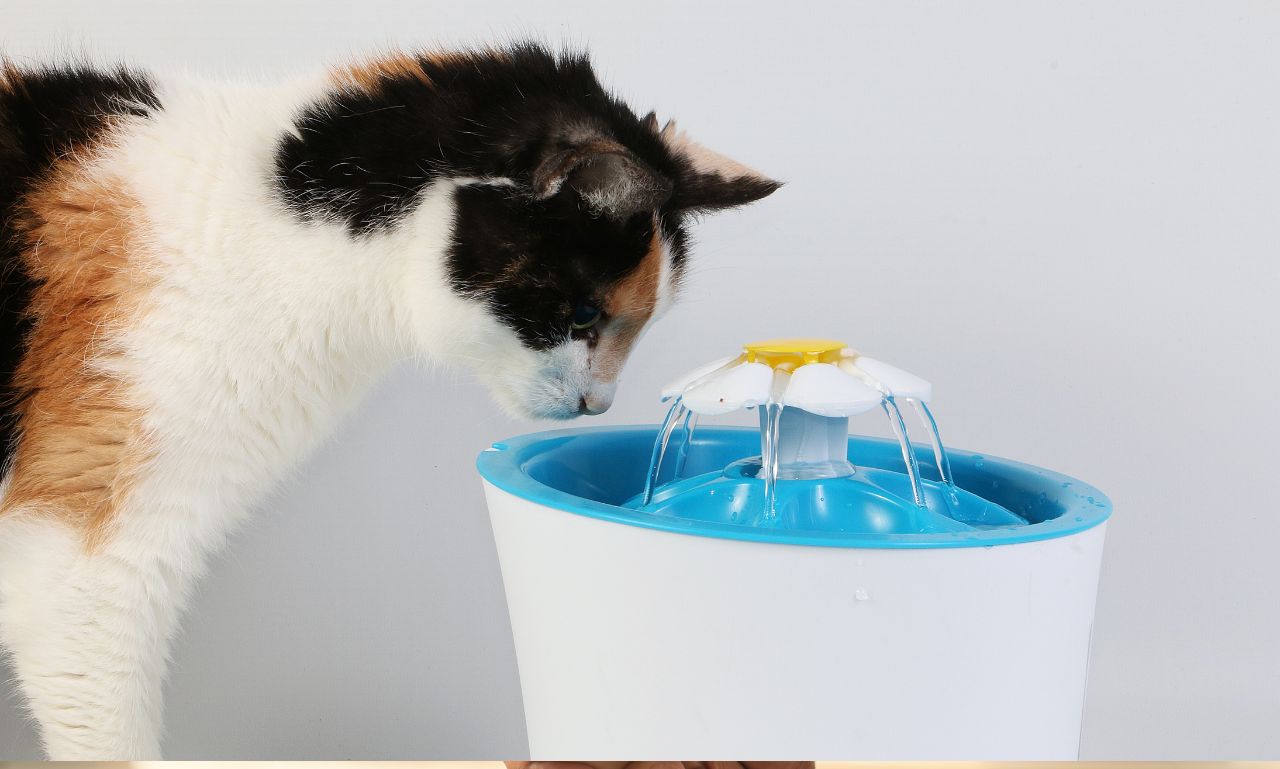
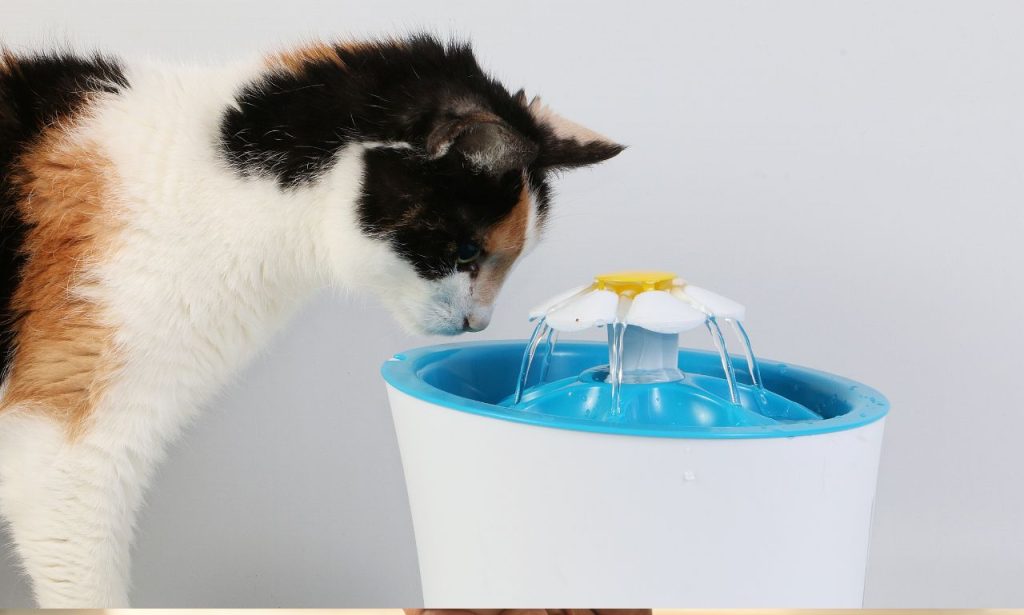
Water bowl preferences matter more than many owners realize. Some cats dislike plastic bowls because they retain odors. Others prefer flowing water over still water. This preference explains why pet fountains have become increasingly popular.
Temperature can also influence drinking habits. On cooler days, pets may naturally consume slightly less water than they would during summer months.
How Can You Tell If Your Pet Is Dehydrated?
Pets cannot tell us when they feel thirsty. As a result, recognizing the signs of dehydration is an essential skill for every owner.
Common Signs and Symptoms of Dehydration in Pets
One of the earliest signs is reduced energy. A normally active pet may spend more time resting or sleeping.
Dry gums often indicate dehydration. Healthy gums should feel moist and smooth. Sticky or tacky gums suggest the body needs more fluids.
Loss of skin elasticity provides another clue. Veterinarians commonly perform a simple skin tent test by gently lifting skin between the shoulders. Well-hydrated skin quickly returns to place, while dehydrated skin may move more slowly.
Sunken eyes, excessive panting, and reduced urination can also occur. Some pets become less interested in food as dehydration progresses.
Paying attention to subtle changes often makes a big difference. Small warning signs can appear long before a situation becomes critical.
When Dehydration Becomes a Veterinary Emergency
Severe dehydration requires immediate medical care.
A pet that has not consumed water for an extended period while also experiencing vomiting or diarrhea faces a higher risk of complications. Extreme lethargy, collapse, confusion, or difficulty standing should never be ignored.
Veterinary hospitals frequently treat dehydration with intravenous fluids because oral hydration alone may not be enough in serious cases.
Imagine finishing a marathon without drinking water afterward. The physical strain would be enormous. Pets experience similar stress when dehydration reaches dangerous levels.
When in doubt, contact your veterinarian. Early intervention often prevents more costly and complicated treatments later.
What Can You Do If Your Pet Won’t Drink Water?
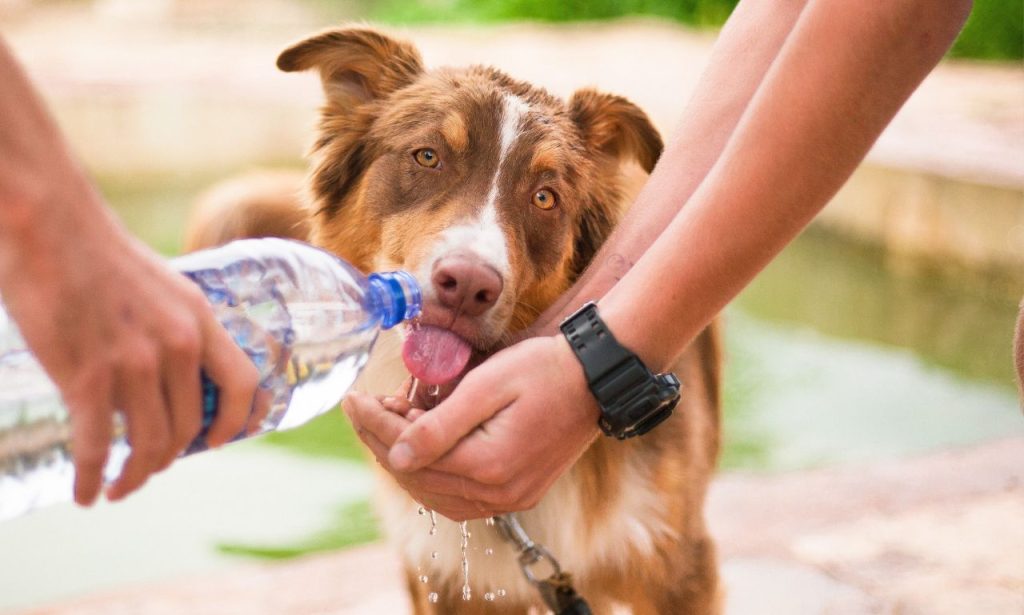
Finding practical ways to increase water intake can often resolve mild hydration issues before they become serious.
Effective Ways to Encourage Your Pet to Drink More Water
Freshness matters. Replacing water multiple times a day can encourage pets to drink more frequently.
Some owners notice immediate improvements after switching to a pet fountain. Moving water often appeals to cats and dogs because it appears cleaner and more interesting.
Adding a small amount of low-sodium broth to water may also increase appeal. Many pets find the scent irresistible.
Another helpful strategy is to offer water in several locations throughout the home. Convenience can make a surprising difference, especially for older pets.
Have you noticed your pet preferring to drink from puddles or faucets instead of a bowl? While frustrating, this behavior often provides clues about their preferences.
Should You Change Their Water Bowl, Diet, or Drinking Routine?
Sometimes the solution is simpler than expected.
A stainless-steel or ceramic bowl may encourage drinking if your pet dislikes plastic. Wide bowls are particularly useful for cats because they prevent whisker discomfort.
Diet adjustments can also support hydration. Wet food contains significantly more moisture than dry kibble and can contribute to daily fluid intake.
Routine plays a role as well. Offering water after walks, play sessions, and meals helps create healthy hydration habits.
Pet owners often discover success through trial and error. What works for one animal may not work for another, so patience is important.
How Can Pet Owners Prevent Future Hydration Problems?
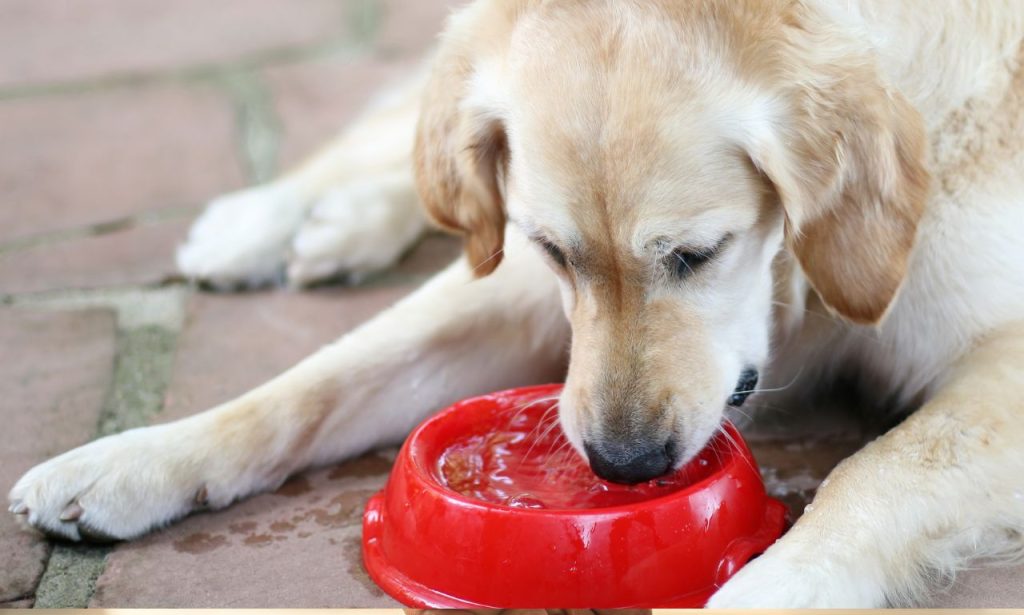
Prevention is always easier than treatment. A few simple habits can help keep pets hydrated year-round.
Creating a Hydration-Friendly Environment at Home
Start by making water easy to access. Multiple bowls placed around the home can encourage regular drinking.
Clean bowls daily to prevent bacteria buildup and unpleasant odors. Pets have a stronger sense of smell than humans, so even slightly stale water may discourage drinking.
Monitoring seasonal changes is equally important. During warmer months, outdoor pets require additional water sources and shade.
Regular veterinary checkups can catch health conditions before they interfere with hydration. Many illnesses are easier to manage when identified early.
A veterinarian once compared hydration monitoring to checking your car’s fuel gauge. Waiting until the tank is empty creates unnecessary risk. The same principle applies to pets.
Conclusion
Why Do Some Pets Refuse to Drink Water? The answer is not always straightforward. Medical conditions, stress, environmental changes, bowl preferences, and dietary factors can all influence a pet’s willingness to drink.
While occasional fluctuations may be harmless, prolonged water refusal should never be ignored. Watching for signs of dehydration and addressing potential causes early can prevent serious health complications.
Take a moment today to observe your pet’s water habits. Are they drinking normally? Is their bowl clean and accessible? Small observations often reveal important clues. When concerns persist, a veterinarian remains the best resource for protecting your pet’s health and well-being.
Also Read: Why Do Cats Knead Blankets Before Sleeping?
FAQs
Most pets should not go longer than 24 hours without water. Health risks increase significantly after that period.
Yes. Wet food contains a high percentage of moisture and can contribute to daily hydration needs.
Many pets, especially cats, prefer moving water. A fountain may encourage increased water consumption.
Contact a veterinarian if your pet refuses water for more than a day or shows signs of dehydration, vomiting, weakness, or illness.
