

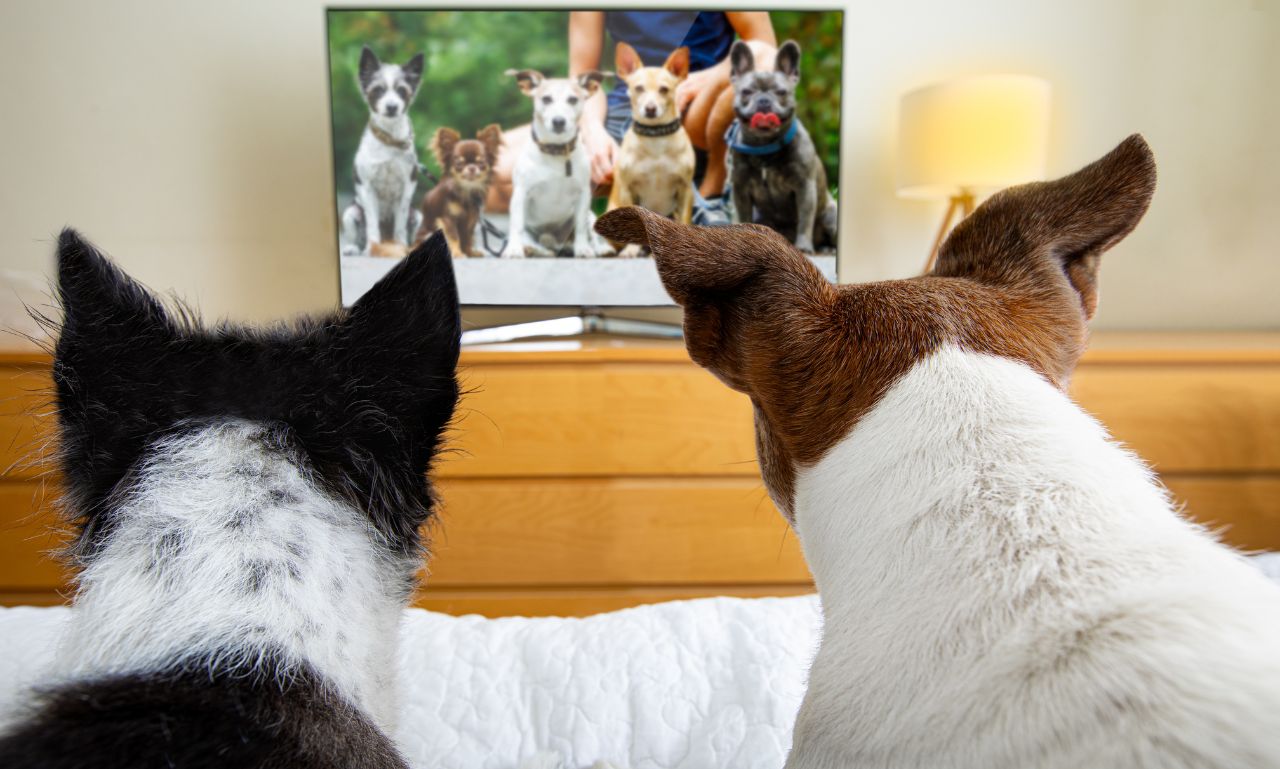
Many dog owners have witnessed a funny scene at home: a dog suddenly stops, stares at the television, and barks at an animal on the screen. It often raises a simple question that deserves a closer look: Can Dogs Watch TV Without Harming Their Eyes?
As televisions have become larger, brighter, and more realistic, dogs appear more interested in what is happening on screen. Some pets watch entire programs, while others barely glance at the television before walking away. This difference leaves many owners wondering whether screen time is safe for their furry companions.
The good news is that television itself is not known to damage a dog’s eyes. However, understanding how dogs perceive screens and respond to visual stimuli can help owners make smarter decisions about their pet’s viewing habits.
Let’s explore what science, veterinarians, and canine behavior experts have discovered.
Does Television Cause Eye Strain or Vision Damage in Dogs?
Research has not linked television viewing to vision loss in dogs. Their eyes are built differently from human eyes, and they process visual information in unique ways.
Dogs typically spend less time focusing on screens than people do. They also tend to look away frequently and shift their attention to sounds, scents, and activity around them. This natural behavior reduces the likelihood of prolonged visual strain.
Some owners notice their dog blinking more often or losing interest after watching television for a while. In most cases, this reflects boredom or fatigue rather than eye damage.
If a dog already suffers from an eye condition such as cataracts, glaucoma, or retinal disease, screen viewing should be discussed with a veterinarian. The television itself is unlikely to worsen the condition, but every medical situation deserves professional guidance.
What Veterinarians and Animal Vision Experts Say About Screen Time
Veterinarians generally agree that moderate television viewing is safe for dogs. Animal ophthalmologists often emphasize that canine eyes evolved to detect movement efficiently, which explains why dogs may become fascinated by fast-moving images.
Dr. Nicholas Dodman, a well-known veterinary behaviorist, has noted that television can provide stimulation for certain dogs, particularly when programming includes animals or familiar sounds.
Many veterinary clinics also use televisions in waiting rooms. The goal is often to create a calming environment rather than trigger stress. This real-world practice supports the idea that screens themselves are not harmful to canine eyes.
Still, experts recommend observing your dog’s reactions. A relaxed dog that casually watches television is usually fine. A dog that becomes frantic, anxious, or obsessive may benefit from reduced screen exposure.
How Dogs See Television Compared to Humans
Dogs experience the world differently than humans. Their visual system evolved to help them hunt, track movement, and survive in changing environments.
As a result, what appears on a television screen may look very different to your pet than it does to you.
Understanding Canine Vision and Color Perception
Humans see a broad spectrum of colors. Dogs, on the other hand, have more limited color perception.
Most canine vision experts believe dogs primarily see shades of blue and yellow. Reds and greens often appear as variations of gray or brown. A bright red ball on television may not stand out to a dog the same way it does to you.
Movement matters much more than color. Dogs excel at detecting motion, especially from a distance. This ability explains why many dogs immediately react when an animal runs across the screen.
Visual sharpness is another difference. A person with perfect vision may see details at a distance that a dog cannot. In practical terms, dogs rely heavily on movement and sound to understand what is happening on television.
Why Modern TVs Are Easier for Dogs to Watch Than Older Screens
Older televisions often displayed images at lower refresh rates. To dogs, those screens could appear flickery and unnatural.
Modern LED, OLED, and high-definition televisions refresh images much faster. This improvement creates smoother motion that dogs can perceive more easily.
A fascinating example comes from the launch of DogTV, a television network designed specifically for dogs. The channel was created using research into canine vision and behavior. Producers discovered that many dogs responded more positively to modern high-definition displays because the images appeared more realistic.
As television technology continues to improve, dogs are becoming increasingly capable of recognizing what they see on screen.
What Do Dogs Actually See When They Watch TV?
A common misconception is that dogs stare at random colors and shapes. Reality is far more interesting.
Many dogs appear capable of identifying familiar visual cues, especially when combined with recognizable sounds.
Can Dogs Recognize Animals, People, and Objects on Screen?
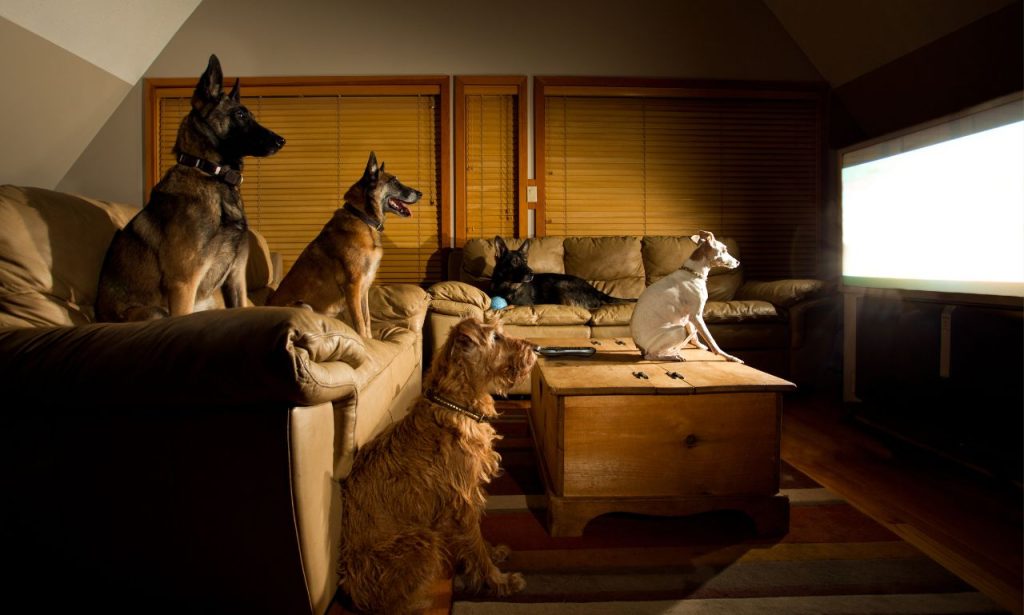
Research from Auburn University found that dogs can distinguish images of other dogs on television. Some pets even respond differently to dogs, cats, and other animals displayed on screen.
Owners frequently report their dogs barking at squirrels, horses, or birds shown in nature programs. These reactions suggest that dogs can visually identify certain animals.
Recognition may extend beyond animals. Some dogs appear able to recognize their owners during video calls or recorded videos. While scientists continue studying this behavior, anecdotal evidence from pet owners is compelling.
Think about your own dog for a moment. Have they ever rushed toward the television when another dog appeared? If so, you’re certainly not alone.
How Motion, Sounds, and Colors Capture a Dog’s Attention
Television engages multiple senses at once. Dogs often react most strongly when movement and sound occur together.
A barking dog, squeaking toy, or doorbell sound can immediately grab attention. Once focused, the dog may begin following the moving images on the screen.
Nature documentaries tend to be especially popular among dogs. Fast-moving animals trigger instincts that encourage observation and curiosity.
Some pet owners even leave bird videos playing during the day. For certain dogs, these programs provide harmless entertainment and mental engagement.
Why Some Dogs Love Watching TV While Others Ignore It
Not every dog becomes a television enthusiast. Personality, genetics, and life experiences all play a role.
One dog may sit through an entire animal documentary while another sleeps through it without opening an eye.
The Role of Breed, Age, and Personality in TV Interest
Breeds developed for hunting or herding often display greater interest in television. These dogs were bred to track movement and respond quickly to visual stimuli.
Terriers, Border Collies, Australian Shepherds, and sporting breeds frequently show strong reactions to moving images.
Age can influence interest as well. Younger dogs tend to be more curious and energetic. Senior dogs may pay less attention, especially if vision or hearing has declined.
Personality remains one of the biggest factors. Curious, alert dogs often enjoy television more than relaxed dogs who prefer napping on the couch.
Signs Your Dog Is Genuinely Watching and Responding to Television
A dog that is truly engaged with television often displays specific behaviors.
Many track movement with their eyes or head. Others approach the screen when an animal appears. Some bark, wag their tails, or move behind the television searching for the source of a sound.
Behaviorists point out that genuine engagement usually involves focused attention. A glance followed by indifference is different from active observation.
Watching your dog’s reactions can be surprisingly entertaining. It also provides insight into how they perceive their environment.
Benefits and Potential Risks of Letting Dogs Watch TV
Television can offer advantages when used appropriately. However, excessive stimulation may create challenges for certain pets.
Balance is key.
Can Television Provide Entertainment and Mental Stimulation?
For dogs that spend time alone during the day, television may provide mild enrichment.
Some owners leave animal-focused programming on while they are away. Certain dogs appear calmer when familiar sounds are present in the home.
Mental stimulation matters, especially for intelligent breeds. While television should never replace exercise, training, or social interaction, it can serve as an additional source of engagement.
DogTV and similar channels were developed with this concept in mind. Their programming often includes calming visuals and sounds designed specifically for canine viewers.
When TV May Cause Overstimulation, Anxiety, or Unwanted Behaviors
Not every dog benefits from television exposure.
A reactive dog may become stressed by constant barking sounds. Others may repeatedly jump at the screen, bark excessively, or pace around the room.
Some owners unintentionally reinforce these reactions by laughing or providing attention when the dog barks at the television.
If viewing triggers anxiety, frustration, or obsessive behavior, reducing screen exposure is a sensible step. Alternative enrichment activities, such as puzzle toys, walks, scent games, and training sessions, often provide greater long-term benefits.
Pay attention to how your dog behaves before, during, and after television viewing. Their reactions will tell you more than any general guideline.
Conclusion
So, Can Dogs Watch TV Without Harming Their Eyes? For most dogs, the answer is yes. Current evidence suggests that television does not damage canine vision when viewed normally.
Dogs perceive screens differently than humans, relying heavily on movement and sound. Modern televisions are easier for them to process, which helps explain why many pets show interest in what’s happening on screen.
Every dog is unique. Some become captivated by animal programs, while others couldn’t care less. The key is to monitor your pet’s behavior and ensure television remains a source of entertainment rather than stress.
Next time your dog parks themselves in front of the TV during a wildlife documentary, take a closer look. You might discover they have favorite shows of their own.
Also Read: How Do Pets Recognize Their Owners?
FAQs
Yes. Moderate daily television viewing is generally safe for healthy dogs.
There is currently no evidence that normal television viewing damages canine eyesight.
Dogs often react to movement, sounds, and animal shapes they recognize on screen.
Yes, but dogs see fewer colors than humans and mainly perceive blues and yellows.
