

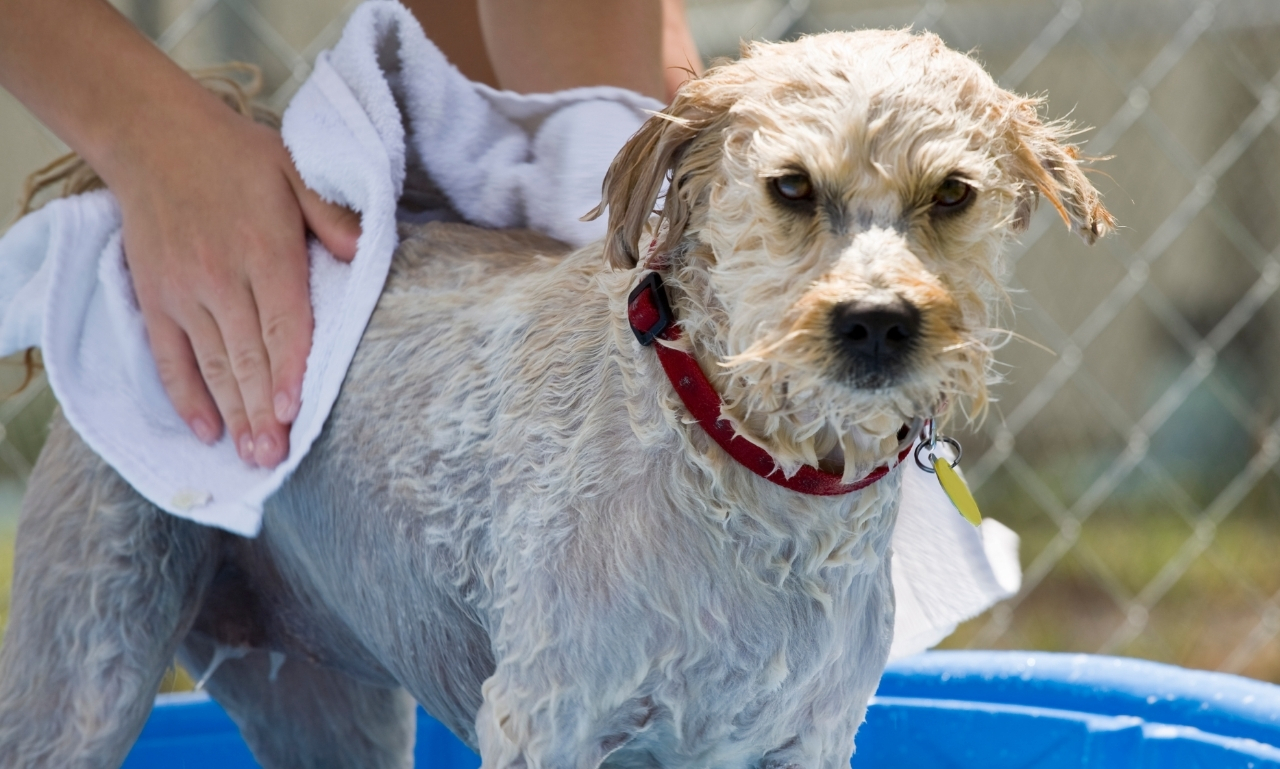
It can be puzzling when a pet develops stronger skin or coat odors shortly after being bathed. A bath should remove dirt, excess oil, and unpleasant smells, yet some pets smell stronger once their fur gets wet or shortly after it dries. Often, the explanation lies closer to the skin than the surface of the coat.
What Changes on a Pet’s Skin and Coat During a Bath
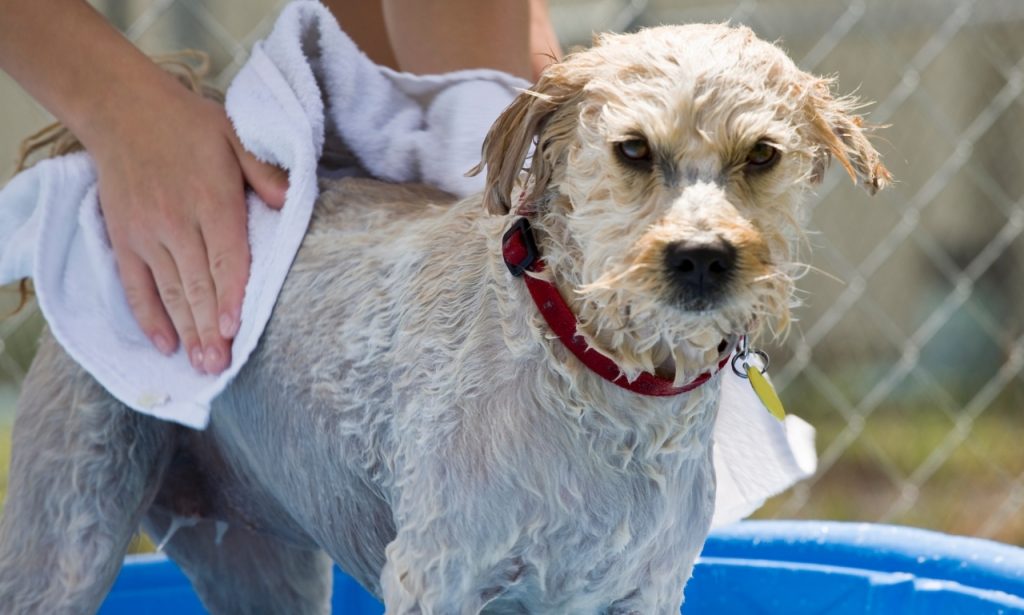
Bathing does more than wash visible dirt from fur. Water reaches the skin, loosens oils and debris, and changes how odor-producing compounds move through the coat.
That means a stronger smell after bathing doesn’t necessarily show that the pet is still dirty. In some cases, water simply makes an existing odor easier to detect.
How Water Can Make Existing Skin and Coat Odors More Noticeable
A pet’s skin naturally produces oils that help protect the skin barrier and coat. The skin and fur also carry microorganisms and tiny amounts of organic material.
Once the coat gets wet, some odor-producing compounds become more noticeable. Moisture can help release these compounds into the surrounding air, which is one reason a wet pet may smell much stronger than the same animal when dry.
This effect is particularly obvious in dogs with thick coats. The outer fur may look clean while moisture remains close to the skin.
A temporary wet coat smell that disappears after complete drying usually isn’t concerning. Odor that becomes stronger or returns soon afterward deserves more attention.
The Role of Natural Skin Oils, Bacteria, and Yeast in Pet Odor
Healthy skin isn’t sterile. Bacteria and yeast normally live on a pet’s skin without causing trouble.
Problems can develop when conditions allow these organisms to multiply excessively. Warmth, moisture, allergies, inflammation, skin folds, and changes in the skin barrier can all alter this balance.
Yeast overgrowth, for example, may create a distinct musty or stale odor. Bacterial skin problems can produce an unpleasant smell alongside redness, irritation, discharge, or crusting.
A bath may briefly cover these odors with shampoo fragrance. Once that fragrance fades, the underlying smell becomes obvious again.
Why Moisture and Drying Problems Can Make Pet Odor Worse
One of the simplest explanations for why a pet can develop stronger skin or coat odors is incomplete drying. A coat can appear dry on top while remaining surprisingly damp underneath.
The problem becomes more likely in pets with dense fur, long hair, heavy undercoats, wrinkles, or limited airflow around certain parts of the body.
Dense Coats, Skin Folds, Paws, and Undercoats Hold Moisture
Thick coats don’t release water evenly. Moisture can remain around the roots of the hair long after the surface feels dry.
Certain areas deserve particular attention. Skin folds, armpits, paws, spaces between toes, and areas around the neck can retain moisture. Dampness may also persist beneath a collar that was replaced too soon.
Skin folds create another challenge because air doesn’t circulate freely. Pets with wrinkled faces or bodies can therefore remain damp in small areas even after careful towel drying.
These moist areas may develop a musty smell before the rest of the coat does.
Why Incomplete Drying Can Produce a Sour or Musty Smell
Warm, damp skin provides favorable conditions for microorganisms already present on the body. This doesn’t mean every damp pet will develop an infection. However, prolonged moisture can worsen odor and may irritate vulnerable skin.
Drying should therefore reach the coat close to the skin, not just remove visible surface water.
Towels can absorb much of the initial moisture. Gentle airflow can help with dense coats if the pet tolerates it safely. Avoid excessive heat because a pet’s skin can become irritated or burned.
If a strong smell keeps coming from the same damp area, check the skin itself.
When the Bathing Routine Contributes to Stronger Odor
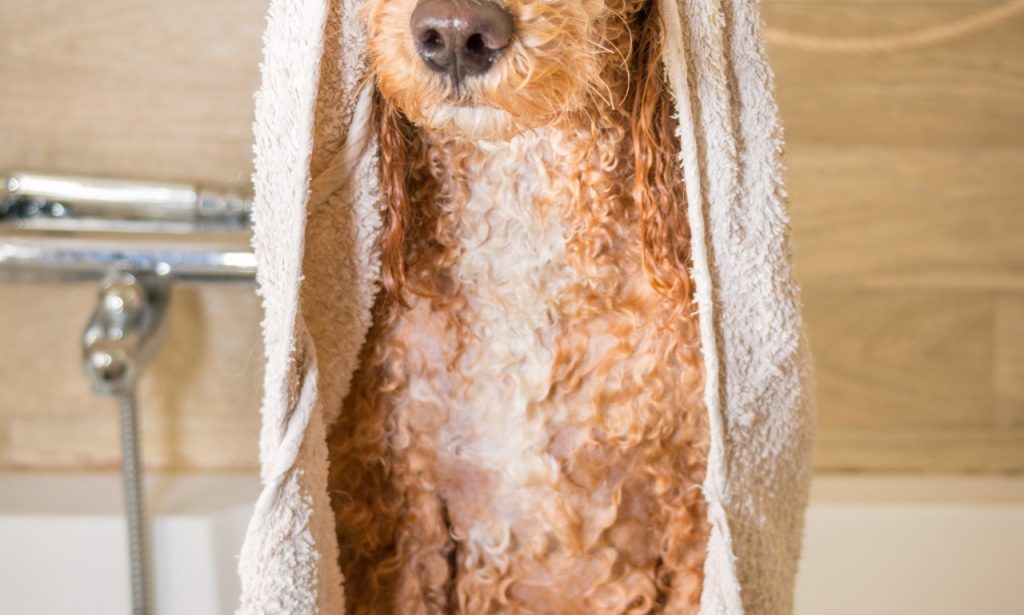
Sometimes the problem isn’t the pet’s skin condition, but how bathing affects it. More shampoo and more frequent washing don’t automatically make a pet smell cleaner.
The product, rinsing process, water temperature, and bathing frequency all matter.
Shampoo Residue, Unsuitable Products, and Skin Irritation
Rinse pet shampoo thoroughly. Residue trapped against the skin can contribute to irritation and leave the coat feeling sticky or heavy.
Product choice matters too. Human shampoos aren’t generally designed around the characteristics of canine or feline skin. An irritating product may encourage scratching, licking, or inflammation.
Strong fragrance can also create a misleading impression. It may cover the original smell immediately after bathing without addressing its source.
If the unpleasant odor returns as soon as the fragrance disappears, another cause may be present.
How Bathing Too Frequently Can Affect the Skin and Coat
Owners sometimes respond to recurring odor by bathing their pet more often. That approach can become counterproductive.
Repeated washing may disturb natural oils or irritate sensitive skin, particularly when unsuitable products are used. The resulting dryness and irritation can trigger more licking and scratching.
Bathing frequency should suit the individual animal’s coat, lifestyle, health, and veterinary needs. A dog that regularly swims or gets muddy has different grooming needs than an indoor cat.
Persistent odor should prompt investigation rather than an endless cycle of shampooing.
Health Problems That Can Cause Odor to Return Quickly
A bath removes material from the coat, but it can’t cure a medical problem beneath it. This distinction matters when odor returns within hours or keeps coming back despite good grooming.
Yeast, Bacterial Overgrowth, Allergies, and Inflamed Skin
Skin problems often produce more than smell. Owners may notice itching, excessive licking, redness, greasy areas, flakes, hair thinning, sores, or changes in skin color.
Allergies can also contribute indirectly. Inflamed skin may become more vulnerable to secondary yeast or bacterial overgrowth. Bathing can remove surface material temporarily while leaving the underlying inflammation unchanged.
Recurring odor combined with visible skin changes warrants veterinary attention. Treating the cause is more useful than repeatedly masking the smell.
Ear, Dental, Anal Gland, and Other Localized Sources
Not every smell that seems to come from the coat actually begins there.
Ear problems can produce a strong odor around the head. Dental disease may create persistent bad breath that owners mistake for a general body smell. Anal gland material has an especially powerful odor that can spread onto nearby fur.
A useful approach is to identify where the smell is strongest. An odor concentrated around one ear, the mouth, paws, or rear end provides more information than simply describing the whole pet as smelly.
Preventing Strong Skin or Coat Odors After Bathing
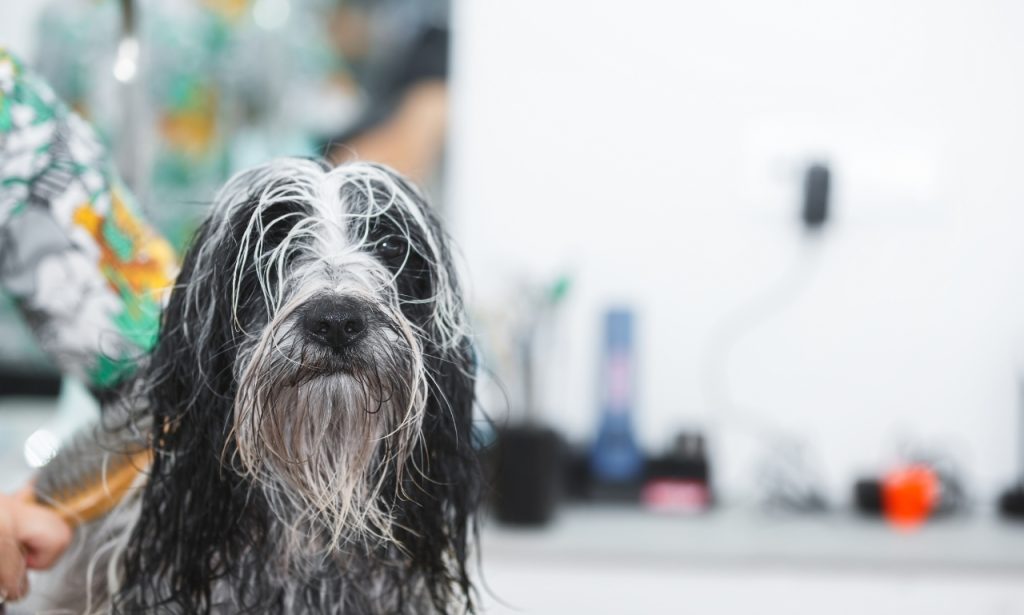
Good bathing technique starts with using a suitable pet product and enough water to rinse it away completely. Drying deserves equal attention, especially around dense fur, paws, folds, and other areas where moisture hides.
The pet’s surroundings matter, too. A freshly washed animal can quickly pick up familiar smells from a dirty bed, blanket, collar, harness, towel, or favorite sleeping area.
Wash grooming towels and bedding regularly. Allow collars and harnesses to dry completely before putting them back on a clean pet.
Most importantly, watch for patterns. A mild wet-coat smell that disappears after drying differs from a strong odor that returns every time the animal is bathed.
Conclusion
Understanding why a pet can develop stronger skin or coat odors shortly after being bathed means looking beyond surface cleanliness. Water can release existing odor compounds, dense coats can trap moisture, and bathing products or poor drying can affect the skin.
Persistent odor can also point toward yeast, bacteria, allergies, ear problems, dental disease, or another health issue. If the smell keeps returning despite appropriate bathing and complete drying, especially alongside itching, redness, discharge, sores, or discomfort, a veterinarian can help identify the source.
Frequently Asked Questions
Yes. A damp or poorly washed towel can transfer odors and microorganisms back onto clean fur.
Pet-safe grooming products may add fragrance, but perfume won’t solve persistent odor. Strong fragrances may also irritate sensitive animals.
Bedding can hold oils, saliva, dirt, and old odors. A clean pet may pick those smells up again after lying on unwashed bedding.
Sometimes. Diet can influence skin health, digestion, gas, and stool quality, although persistent body odor shouldn’t automatically be blamed on food.
