

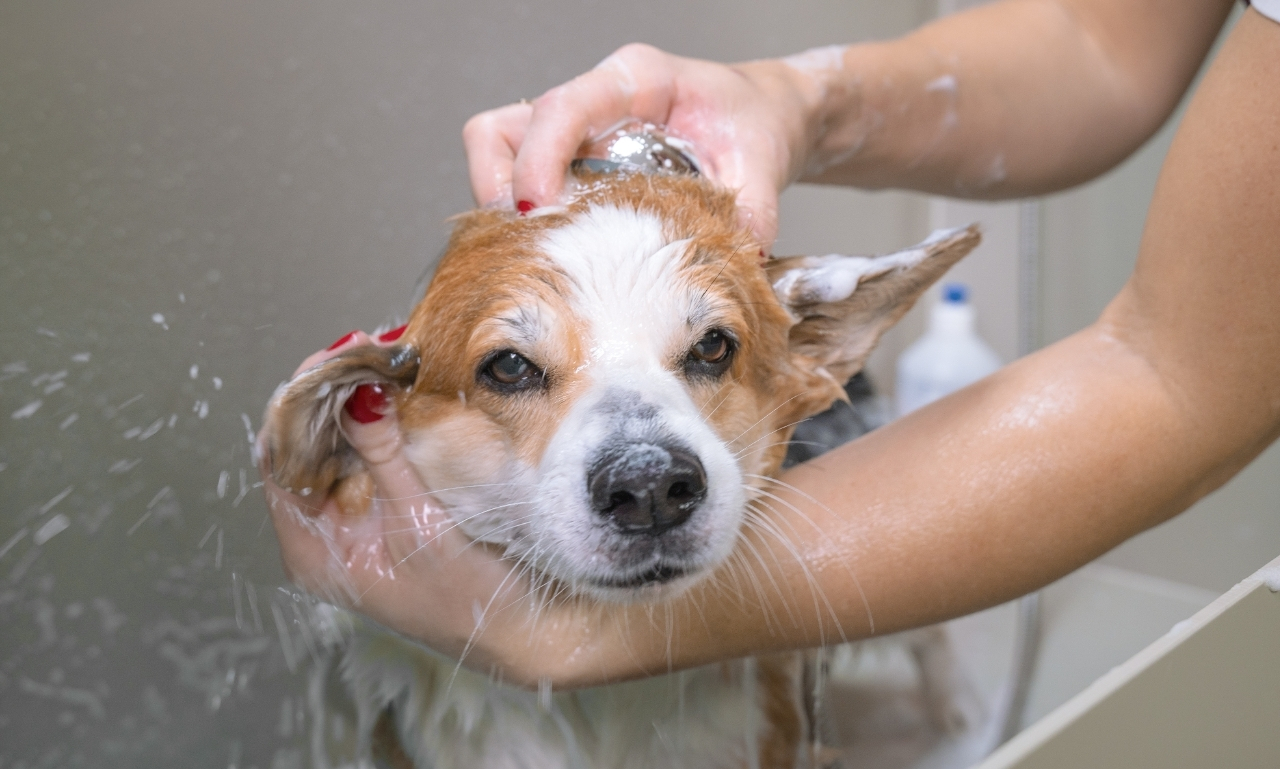
Can human shampoo harm pets? Yes, especially when used regularly or when it contains ingredients that irritate an animal’s skin. A shampoo that leaves human hair clean and soft may interact differently with a dog or cat’s skin because their protective barriers and grooming habits differ from ours.
Why Human Shampoo Affects Pet Skin Differently
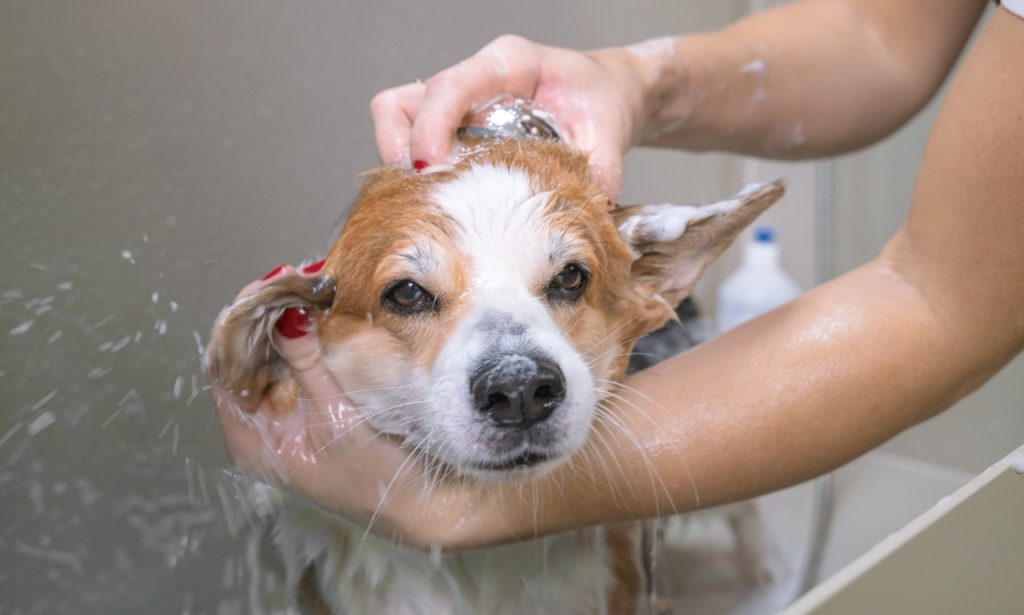
Human shampoo is designed around human skin and hair. Pets have different skin characteristics, so choosing a shampoo involves more than finding something gentle or pleasantly scented.
How Human Skin and Pet Skin Differ in pH and Structure
One important difference involves skin pH. Human skin is naturally acidic, while a dog’s skin tends to sit closer to neutral. Exact pH varies with species, breed, body area, and individual health.
Shampoo manufacturers formulate products with these differences in mind. A cleanser intended for people may therefore be poorly suited to an animal’s skin.
There are structural differences too. A pet’s skin provides a vital barrier between the body and the outside environment. Frequent exposure to unsuitable cleansers can interfere with that barrier and leave the skin more vulnerable to dryness and irritation.
This helps explain why a product marketed as gentle for humans isn’t automatically gentle for animals. Even baby shampoo shouldn’t become a pet’s regular bathing product simply because its human formula is mild.
The Role of the Skin Barrier and Natural Oils in Pets
Healthy skin contains natural oils that help retain moisture and support the coat. Washing removes dirt and excess oil, but an appropriate shampoo cleans without unnecessarily disrupting this protective environment.
A harsh cleanser can strip away too much oil. The skin may become dry, tight, flaky, or itchy afterward. Some animals respond by scratching or licking themselves more frequently.
This matters beyond appearance. Skin is a working organ. Once its protective barrier becomes irritated, environmental substances can affect it more easily. Pets already prone to allergies or sensitive skin may experience problems sooner than animals with otherwise healthy skin.
What Human Shampoo Can Do to a Pet’s Skin and Coat
The effects aren’t the same for every animal. Shampoo formulation, use frequency, skin health, species, and sensitivity all influence the response.
Can Human Shampoo Harm Pets Through Dryness and Irritation?
One of the most likely problems is irritation. An owner might notice redness, scratching, dry patches, flakes, or unusual licking after bathing.
Coat changes can also appear. Fur may feel unusually dry or rough because shampoo has removed oils that normally condition the hair and skin. An animal with sensitive skin may show discomfort before obvious coat changes develop.
These reactions shouldn’t automatically be blamed on shampoo. Parasites, allergies, bacterial infections, fungal conditions, and other skin disorders can produce similar symptoms. Timing provides a useful clue. Irritation that begins soon after trying a different bathing product deserves attention.
How Repeated Use May Increase the Risk of Skin Problems
Using human shampoo once isn’t the same as using it for every bath. Repeated washing gives an unsuitable formula more opportunities to disturb the skin.
An owner might see no problem at first and assume the shampoo is safe. After several baths, however, the pet may develop increasingly dry or irritated skin.
Scratching creates another issue. Persistent scratching can damage the skin’s surface. Damaged skin is more vulnerable to secondary infection and inflammation.
The sensible approach is prevention. A product made for the correct animal species is preferable for routine bathing, even if previous baths with human shampoo appeared harmless.
Human Shampoo Ingredients That Deserve Extra Attention
The words “human shampoo” cover thousands of formulations. Some are relatively simple, while others contain fragrances, dyes, active ingredients, botanical extracts, or powerful cleansing agents.
Fragrances, Strong Cleansers, Dyes, and Potential Irritants
Fragrance deserves attention because pets experience scent differently from people, and fragranced products may irritate sensitive skin. Strong cleansing agents can also remove more oil than necessary.
Specialized human products require additional caution. Dandruff shampoos, clarifying formulas, medicated products, and shampoos containing active ingredients shouldn’t be treated like ordinary pet cleansers.
Natural branding doesn’t guarantee suitability either. Plant-based ingredients and essential oils can still cause problems in animals. Cats deserve extra care because their bodies process certain substances differently than humans’ and dogs’.
Owners shouldn’t judge safety solely by whether an ingredient sounds natural or familiar. Species-appropriate formulation matters more.
Why Licking Shampoo Residue Creates an Additional Concern
Bathing a pet introduces a factor humans rarely face after showering: licking during grooming.
A cat may spend considerable time grooming its coat after a bath. Dogs may lick wet fur or irritated areas, too. Shampoo residue can therefore reach the mouth and digestive tract.
Thorough rinsing is essential even with pet shampoo. Continue rinsing until the water runs clean and the coat no longer feels slippery.
If a pet consumes a significant amount of shampoo or develops drooling, vomiting, unusual weakness, or other concerning symptoms, contact a veterinarian. Keep the product container nearby so you can identify the ingredients.
What to Do If Human Shampoo Has Already Been Used on a Pet
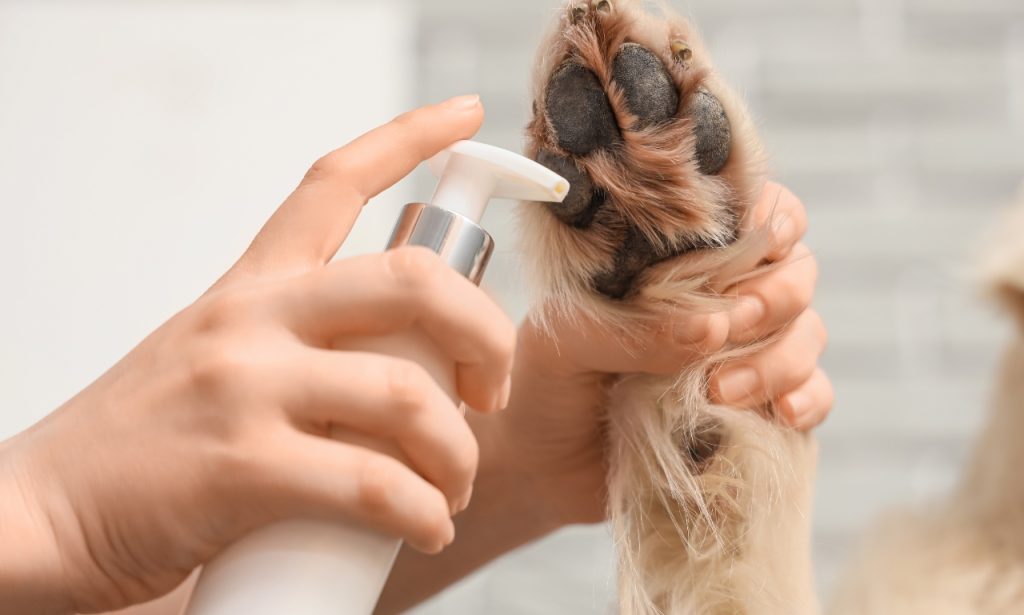
Finding out that human shampoo isn’t recommended can be alarming if you’ve just used it. A single accidental bath doesn’t automatically mean your pet will become sick.
Steps to Take After a One-Time or Accidental Use
Start by rinsing the coat thoroughly with lukewarm water. Pay particular attention to thick fur and areas where shampoo can remain trapped.
Avoid immediately applying several other products to “correct” the problem. More washing may expose already sensitive skin to additional cleansing.
Dry the animal gently and observe it over the following hours. Look for excessive scratching, licking, redness, discomfort, or changes in normal behavior.
If the pet seems comfortable and the skin looks normal, monitoring may be all that’s needed. For future baths, switch to a shampoo formulated specifically for that species.
Signs That Mean a Veterinarian Should Be Contacted
Mild dryness is different from a significant reaction. Seek veterinary advice if the pet develops persistent or severe redness, swelling, sores, intense scratching, unusual hair loss, or worsening skin irritation.
Eye exposure also needs attention. Gently rinse the affected eye with clean water if shampoo gets in it. Persistent squinting, redness, discharge, or obvious pain warrants veterinary guidance.
Vomiting, heavy drooling, breathing difficulty, severe weakness, facial swelling, or other sudden symptoms require prompt attention.
Pets with existing allergies or diagnosed skin diseases may need advice sooner. Their skin is already compromised, so experimenting with different cleansing products can complicate treatment.
Choosing Safer Products and Better Bathing Practices for Pets
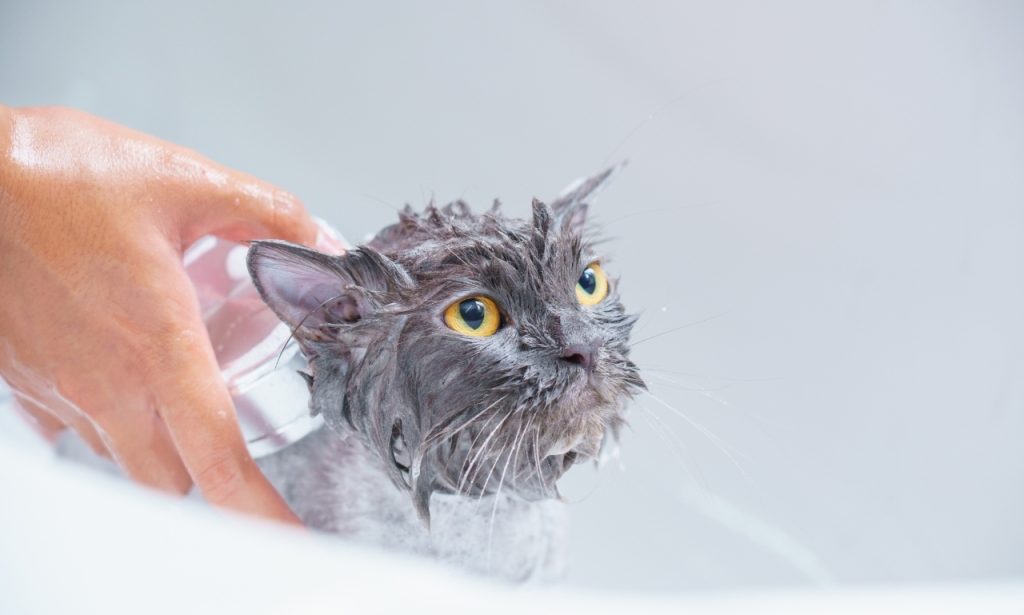
A suitable shampoo should clean effectively without stressing the skin. That doesn’t mean every bottle labeled “pet shampoo” suits every animal.
How to Select Shampoo for Dogs, Cats, Puppies, and Sensitive Skin
Start with species. Choose a product specifically labeled for the animal you’re bathing. Don’t assume dog shampoo is automatically suitable for cats.
Age matters as well. Puppies and kittens may require products designed for younger animals. Pets with allergies, recurrent infections, excessive oiliness, or chronic itching may need veterinary guidance rather than an ordinary cosmetic shampoo.
Medicated shampoos serve a different purpose. Veterinarians may recommend them for certain bacterial, fungal, allergic, or inflammatory skin problems. They often require specific contact times and bathing schedules.
For a healthy pet, choose a straightforward, species-appropriate cleanser suited to its coat and skin needs. Heavy fragrance isn’t necessary for cleanliness.
Bathing Habits That Protect a Pet’s Skin and Coat
Good bathing technique matters almost as much as the shampoo itself.
Use comfortably lukewarm water and wet the coat thoroughly before applying shampoo. Massage gently rather than scrub the skin aggressively. Keep cleanser away from the eyes, inner ears, nose, and mouth.
Rinsing takes longer than many owners expect. Thick and long coats can hold shampoo close to the skin even when the surface looks clean.
Bathing frequency should also reflect the individual animal. Dogs that get dirty regularly may need more frequent baths than indoor pets with clean coats. Excessive bathing can dry the skin, especially with strong cleansers.
Cats often need fewer conventional baths because they groom themselves efficiently. Older, obese, disabled, hairless, or medically affected cats can have different grooming needs.
Conclusion
So, can human shampoo harm pets? It can, especially with repeated use, sensitive skin, unsuitable ingredients, or shampoo residue left on the coat. Because human and animal skin differ, a product that works perfectly in your shower isn’t necessarily appropriate for your pet.
An accidental use is usually a reason to rinse carefully and observe, not panic. For routine grooming, choose a species-appropriate shampoo and watch how your pet’s skin responds. Persistent irritation, unusual symptoms, or an existing skin disorder deserves veterinary advice.
Also Read:
FAQs
Yes. Plain lukewarm water can remove light surface dirt when shampoo isn’t necessary, although it won’t remove heavy grease or stubborn debris effectively.
Dish soap can be too harsh for routine bathing because it is designed to remove grease. Use a suitable pet cleanser instead unless a veterinarian advises otherwise.
Yes. Pet shampoos can lose quality after their expiration date or the recommended period after opening. Check the packaging before use.
Sometimes. Certain veterinary shampoos have specific handling instructions. Follow the product label and your veterinarian’s directions.
Yes, but choose a conditioner formulated for the appropriate species. Human conditioners may contain fragrances or other ingredients that aren’t suitable for pets.
