

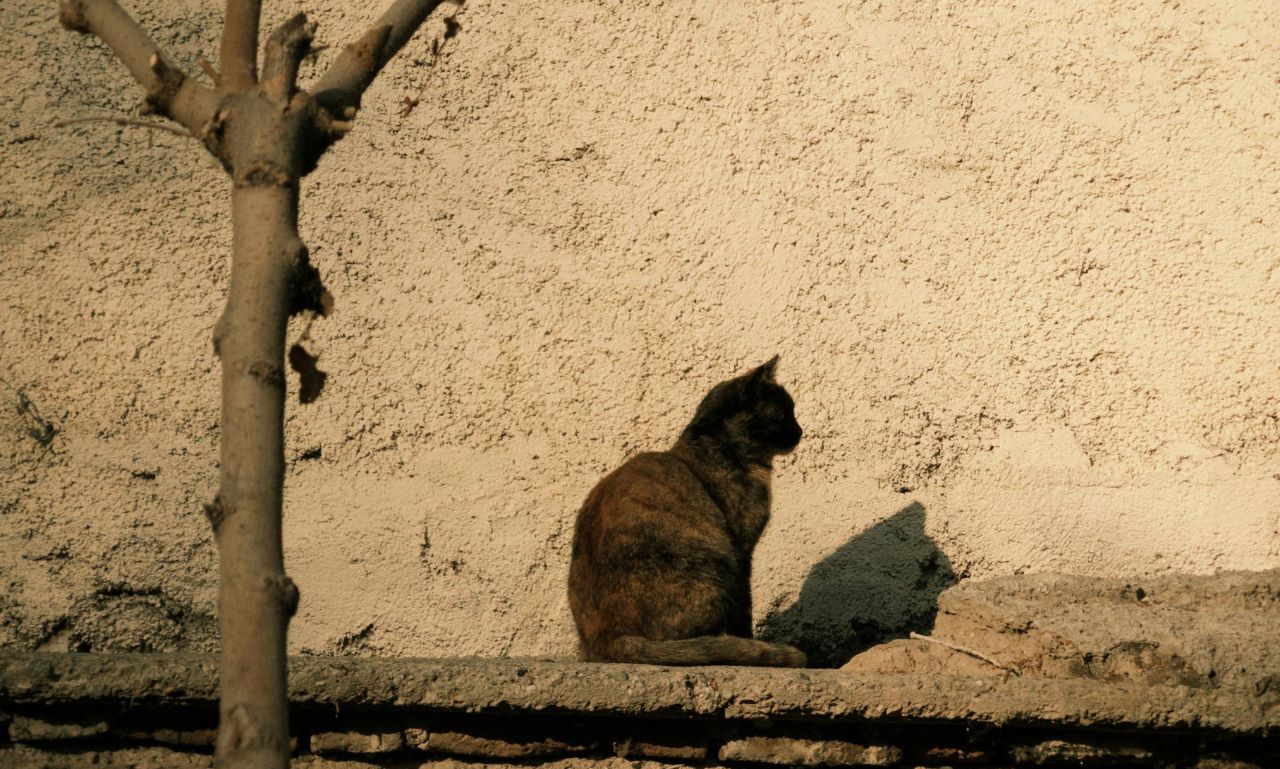
If you have ever caught your cat staring at a blank wall for several minutes, you’re not alone. Many cat owners have experienced that slightly unsettling moment when their feline companion seems completely absorbed by something that isn’t visible to human eyes.
A cat can sit motionless, ears twitching, eyes fixed on a single spot, while everyone else in the room sees absolutely nothing. Naturally, this raises questions. Is the cat hearing something? Seeing something? Or could there be a medical issue involved?
The truth is that there are several explanations for this behavior. Some are completely normal and linked to a cat’s extraordinary senses. Others may indicate that a veterinary checkup is needed. Understanding the difference can help you respond appropriately and keep your pet healthy.
Let’s explore why cats do this and what their wall-staring behavior might be trying to tell you.
Cats Can Hear Sounds and Movements Humans Cannot Detect
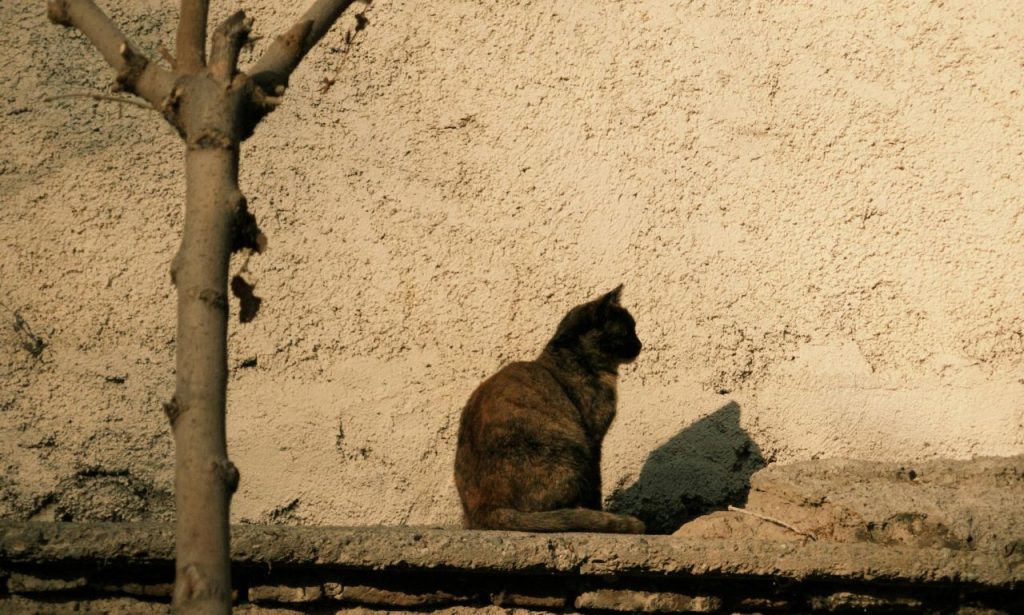
One of the most common reasons cats stare at walls is their remarkable hearing ability.
Cats can hear frequencies up to around 64,000 Hz, while humans generally hear only up to 20,000 Hz. This enables them to detect sounds that completely escape our notice. Tiny rodents moving through walls, insects crawling behind drywall, or even the faint scratching of pests in an attic can attract a cat’s attention.
Veterinarians often report cases where homeowners discovered hidden mice after noticing their cat repeatedly staring at a specific wall. In many situations, the cat identified the problem long before humans realized anything was there.
A cat’s ears can also rotate independently. This allows it to pinpoint sound locations with impressive accuracy. While you may see a blank wall, your cat may be carefully tracking movement occurring behind it.
Next time your cat appears hypnotized by a wall, pause and listen. You probably won’t hear anything, but your pet might be monitoring activity that your ears cannot detect.
Their Natural Hunting Instincts Keep Them Focused on Hidden Prey
Domestic cats may enjoy soft beds and regular meals, but their hunting instincts remain deeply rooted.
Researchers estimate that even well-fed house cats retain strong predatory behaviors. Those instincts drive them to investigate sounds, movements, and scents that suggest prey is nearby.
Imagine a tiny insect hiding behind a baseboard or a mouse moving within a wall cavity. Your cat’s brain immediately switches into hunter mode. During these moments, intense concentration takes over. The wall becomes the center of attention because it may conceal a potential target.
Many cat owners have watched their pets suddenly pounce on a wall, only to discover a bug moments later. What seems like strange behavior is often an extension of natural hunting patterns that have existed for thousands of years.
What Are Cats Actually Seeing When They Stare at a Wall?
Not every wall-staring episode involves sound. Sometimes the answer lies in what cats can see.
How a Cat’s Vision Differs From Human Vision
Cats don’t see the world exactly as humans do. Their eyes are specially adapted for detecting movement and functioning in low-light conditions.
Although human vision is sharper during daylight, cats excel at spotting subtle motion. Even a tiny shift in a shadow can catch their attention instantly.
Their eyes contain more rod cells than human eyes. These cells improve motion detection and night vision. As a result, a cat may notice things that blend into the background for people.
Picture sunlight entering through a window. A faint reflection or slight movement may seem insignificant to you. To a cat, however, it can become a fascinating visual event worthy of extended observation.
This difference in perception explains why some cats spend long periods staring at walls, ceilings, or corners without appearing bored.
Light Reflections, Shadows, and Tiny Insects That Capture Their Attention
Environmental factors frequently contribute to wall-staring behavior.
A passing car outside can create moving light patterns indoors. Ceiling fans may cast shifting shadows. Reflections from phones, watches, mirrors, or televisions can also grab a cat’s attention.
Small insects provide another explanation. Flies, ants, spiders, and moths often move along walls unnoticed by humans. Cats, however, are experts at detecting these tiny movements.
Many owners eventually discover that their cat wasn’t staring at nothing after all. There was a small bug that went undetected.
Have you ever followed your cat’s gaze and suddenly spotted an insect? It happens more often than most people expect.
Is It Normal for Cats to Stare at Walls?
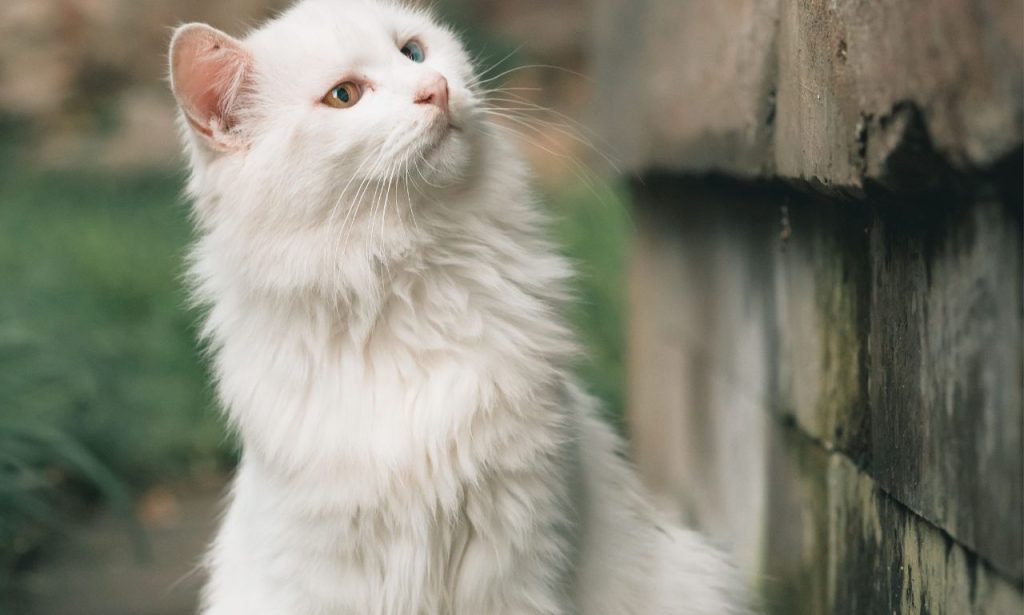
In most cases, yes. Wall-staring is generally considered a normal feline behavior.
Still, context matters.
Common Behavioral Reasons Behind Wall-Staring
Curiosity plays a major role in a cat’s daily activities.
Cats constantly observe their surroundings. They monitor sounds, investigate unfamiliar stimuli, and gather information about their environment. Wall-staring often falls into this category.
Some cats also enter periods of quiet observation. During these moments, they appear focused on a particular area while processing sensory information.
Boredom can occasionally contribute as well. Indoor cats with limited stimulation may become highly interested in minor environmental changes. A small sound or moving shadow may provide entertainment that breaks the monotony of the day.
Age and personality also influence behavior. Some cats are naturally more alert and observant than others.
When Occasional Staring Becomes Excessive or Unusual
Although occasional wall-staring is normal, excessive staring deserves closer attention.
A sudden behavior change can sometimes indicate a problem. For example, if a previously active cat begins spending hours staring at walls every day, it may signal underlying issues.
Pay attention to accompanying symptoms. Changes in appetite, confusion, disorientation, vocalization, or altered sleeping patterns can provide important clues.
Duration matters too. Brief episodes are generally harmless. Repeated, prolonged episodes combined with unusual behavior may warrant further investigation.
Trust your instincts as an owner. You know your cat better than anyone else.
Could Staring at Walls Be a Sign of a Health Problem?
While most cases are harmless, certain medical conditions can contribute to unusual staring behavior.
Cognitive Dysfunction, Seizures, and Other Medical Conditions
Senior cats can experience cognitive dysfunction syndrome, a condition similar to human dementia.
Affected cats may become confused, stare into space, forget familiar routines, or appear disoriented. Wall-staring can sometimes be one of several symptoms associated with age-related cognitive decline.
Neurological conditions may also play a role. Partial seizures occasionally cause episodes of fixed staring or unusual focus. During these events, a cat may seem disconnected from its surroundings.
Vision changes can contribute as well. A cat experiencing declining eyesight may behave differently while attempting to interpret visual information.
Medical explanations are less common than behavioral ones, but they should not be ignored when other symptoms are present.
Warning Signs That Mean Your Cat Needs Veterinary Attention
Certain warning signs suggest it is time to schedule a veterinary appointment.
A cat that repeatedly stares at walls while appearing confused deserves evaluation. Loss of coordination, balance issues, sudden aggression, excessive vocalization, or noticeable personality changes also require attention.
Older cats should receive special consideration because age-related conditions become more common over time.
Veterinarians often emphasize the importance of observing the whole picture rather than focusing on a single behavior. Wall-staring alone rarely confirms a health problem. Combined symptoms provide a more accurate assessment.
If something feels unusual, recording a video can help your veterinarian evaluate what is happening.
How Should Cat Owners Respond to Wall-Staring Behavior?
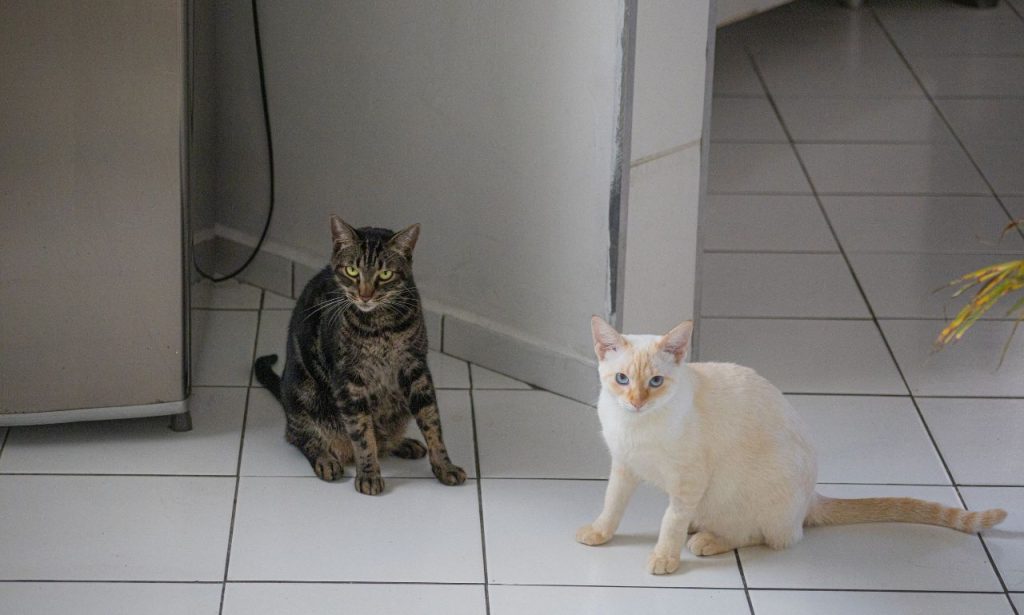
Most of the time, there’s no reason to panic when your cat stares at a wall.
Instead, focus on observation and enrichment.
Ways to Keep Your Cat Mentally Stimulated and Engaged
Mental stimulation can reduce excessive fixation on environmental triggers.
Interactive toys, climbing structures, puzzle feeders, and play sessions encourage healthy engagement. Many feline behavior specialists recommend rotating toys regularly to maintain interest.
Window perches can also provide valuable enrichment. Watching birds, squirrels, and outdoor activity gives cats a safe outlet for their natural curiosity.
Daily interaction matters too. Even short play sessions strengthen bonds and satisfy hunting instincts. A feather wand or moving toy can mimic prey behavior and provide an appropriate outlet for stalking and chasing.
Most importantly, observe patterns rather than isolated incidents. A healthy cat that occasionally stares at walls is usually demonstrating normal feline behavior.
Still curious about your cat’s habits? Spend a few minutes watching what captures their attention. You may discover there’s far more happening around your home than you realized.
Conclusion
Why Do Cats Stare at Walls for Long Periods? In most cases, the answer lies in their incredible senses and instincts. Cats can hear sounds humans miss, detect subtle movements, and notice tiny visual details that often go unnoticed.
Occasional wall-staring is usually nothing more than curiosity, hunting behavior, or environmental awareness. However, persistent staring accompanied by confusion, disorientation, or other unusual symptoms may indicate a medical concern that deserves veterinary attention.
The key is observation. Understanding your cat’s normal behavior makes it easier to recognize when something changes. Most of the time, your feline friend isn’t seeing ghosts or imagining things. They’re simply experiencing the world through senses far more powerful than our own.
Also Read: Can Cats Feel Lonely When Left Alone?
FAQs
Your cat may hear sounds behind the wall, feel bored, or be seeking attention from you.
Yes. Occasional wall-staring is common and usually related to curiosity, hearing, or hunting instincts.
Cats can detect subtle movements, low-light activity, and visual details that humans often miss.
A sudden behavioral change in older cats should be discussed with a veterinarian, especially if confusion is present.
