

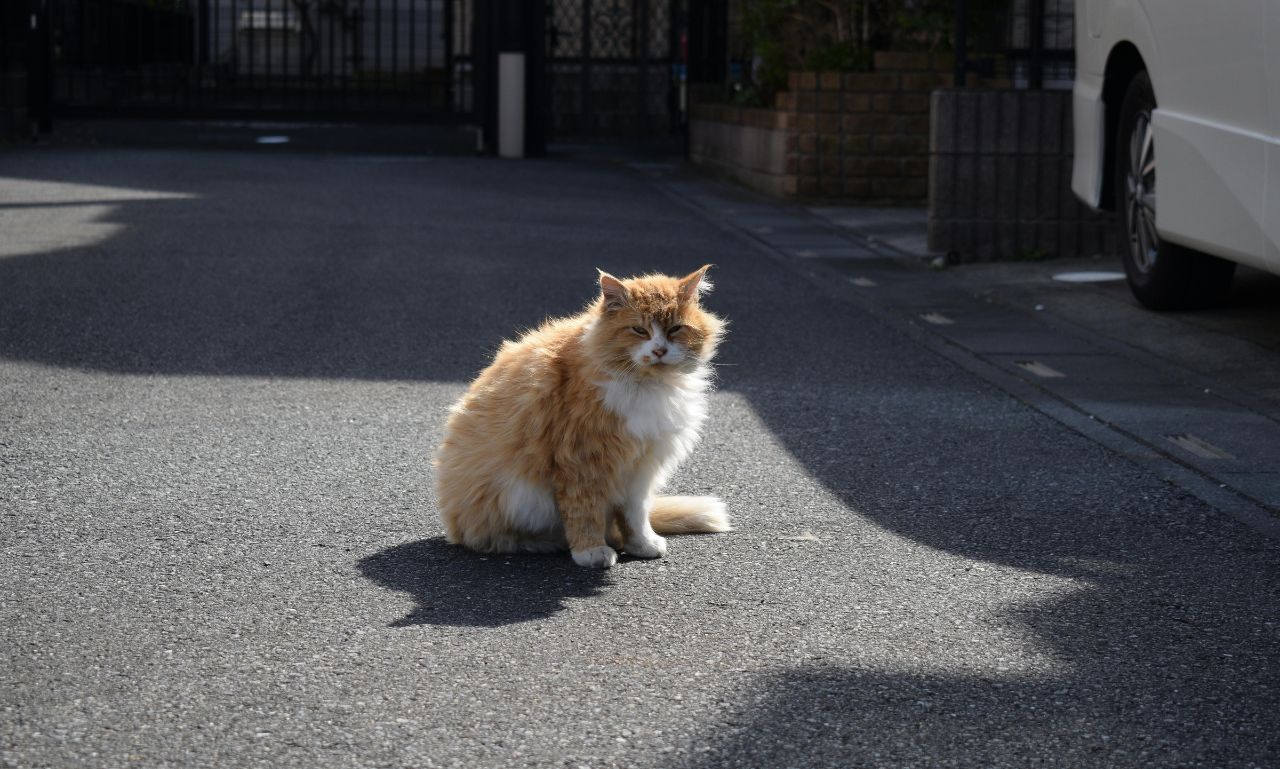
Cats have a reputation for being independent. They sleep for hours, entertain themselves with a cardboard box, and often seem perfectly content spending time alone. Because of this image, many people assume cats don’t need companionship the way dogs do.
The reality is more complicated.
While cats are generally more self-sufficient than many other pets, research and everyday experiences from veterinarians, shelters, and cat owners suggest that many felines form strong social bonds. Some cats genuinely enjoy solitude, while others struggle when left alone for extended periods.
If you’ve ever come home to a cat that follows you from room to room or greets you loudly at the door, you’ve probably wondered: Can Cats Feel Lonely When Left Alone?
The answer is yes. Many cats can experience loneliness, although the signs are not always obvious. Understanding what loneliness looks like and how to address it can help your cat live a happier and healthier life.
Are Cats Naturally Solitary or Social Animals?
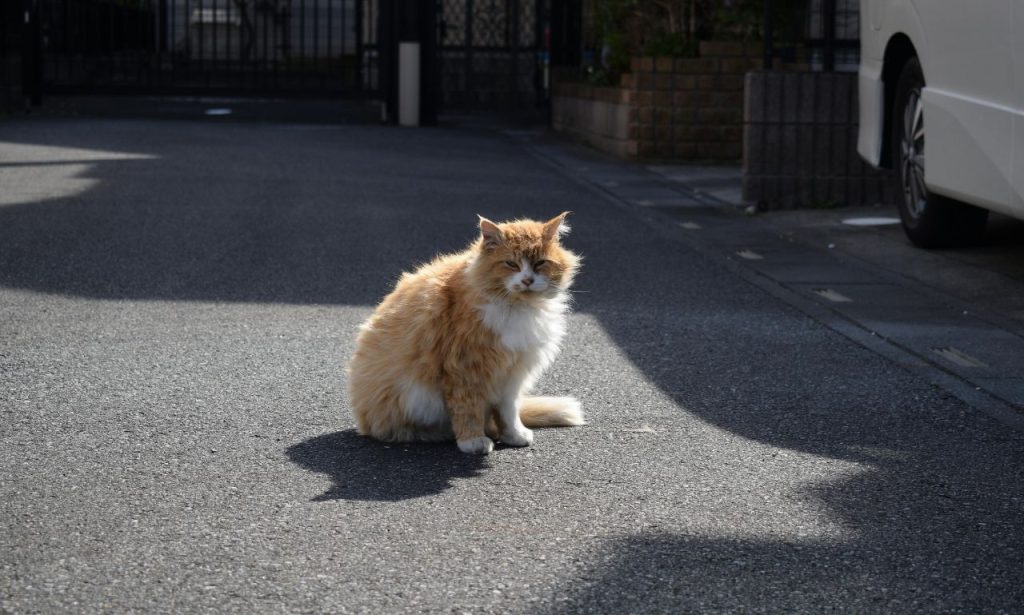
The belief that cats are solitary animals comes from their wild ancestors. Unlike wolves, which hunt in packs, wildcats typically hunted alone. This behavior led people to assume domestic cats prefer complete independence.
Domestic cats, however, have adapted significantly over thousands of years. Studies conducted by animal behavior researchers have shown that many cats develop social groups when resources such as food and shelter are plentiful. Feral cat colonies often demonstrate cooperation, grooming, and shared caregiving of kittens.
Anyone who has visited a rescue center has likely seen bonded cats sleeping together or grooming one another. These interactions reveal that cats are capable of meaningful social relationships.
Being independent does not mean being antisocial. A cat can enjoy personal space while still valuing companionship.
Can Cats Form Emotional Bonds With Their Owners?
Many cat owners already know the answer from experience.
A 2019 study from Oregon State University found that cats form attachment bonds with their caregivers similar to those seen in children and dogs. Researchers observed that most cats sought comfort and security from familiar humans during stressful situations.
Those bonds explain why some cats wait by windows, greet family members at the door, or curl up beside their favorite person every evening.
Think about your own cat for a moment. Does it follow you into the kitchen? Sit beside you while you work? Sleep near your bed? These small behaviors often indicate emotional attachment.
When a bonded owner disappears for long periods, some cats notice more than we might expect.
Signs Your Cat May Be Feeling Lonely
Loneliness rarely looks the same in every cat. Some become vocal and demanding, while others quietly withdraw.
Recognizing the warning signs early can prevent bigger behavioral or health issues.
Behavioral Changes That Could Indicate Loneliness
One of the most common indicators is increased vocalization. A cat that suddenly meows excessively when you leave or return may be seeking interaction.
Changes in appetite can also signal emotional distress. Some cats eat less when lonely, while others overeat for comfort.
You might notice clingy behavior as well. Cats that constantly seek attention after their owner returns home could be compensating for social interaction they missed during the day.
Veterinarians frequently report that lonely cats may spend more time sleeping, appear less playful, or lose interest in activities they previously enjoyed.
A noticeable shift in routine deserves attention, especially when no medical cause is present.
How Loneliness Differs From Boredom and Separation Anxiety
Loneliness, boredom, and separation anxiety often overlap, but they are not identical.
Boredom usually results from a lack of stimulation. A bored cat may knock items off shelves, scratch furniture, or chase imaginary prey around the house.
Loneliness stems from missing social interaction. The cat wants connection rather than simply entertainment.
Separation anxiety is more intense. Cats experiencing separation anxiety may panic when their owner leaves. Symptoms can include destructive behavior, excessive grooming, inappropriate urination, or extreme vocalization.
A veterinarian or feline behaviorist can help distinguish between these issues when symptoms become severe.
Factors That Influence How Cats Cope With Being Alone
Not all cats react the same way to solitude. Several factors influence whether a cat enjoys alone time or struggles with it.
Does Age, Personality, or Breed Affect Loneliness?
Kittens generally require more social interaction than adult cats. During their early development, they learn social skills and build confidence through regular engagement.
Senior cats may also become more dependent on companionship as they age.
Personality plays a major role. Some cats are naturally outgoing and social, while others prefer quieter lifestyles. Just like people, every cat has unique emotional needs.
Breed can influence behavior as well. Siamese, Burmese, Ragdoll, and Maine Coon cats often have reputations for being highly people-oriented. These breeds frequently seek interaction and may become lonely more easily than independent breeds.
Even so, personality matters more than breed labels alone.
How Long Can Cats Safely Be Left Alone?
Healthy adult cats can typically stay alone for eight to twelve hours without difficulty, provided they have food, water, and a safe environment.
A full day alone occasionally is usually manageable. Problems tend to arise when isolation becomes a regular pattern.
Kittens often need monitoring every few hours. Senior cats and cats with medical conditions may require more frequent attention as well.
Many veterinarians recommend arranging a pet sitter or trusted friend when absences extend beyond 24 hours.
The goal isn’t simply survival. It’s ensuring your cat remains emotionally and physically comfortable.
What Happens When Cats Spend Too Much Time Alone?
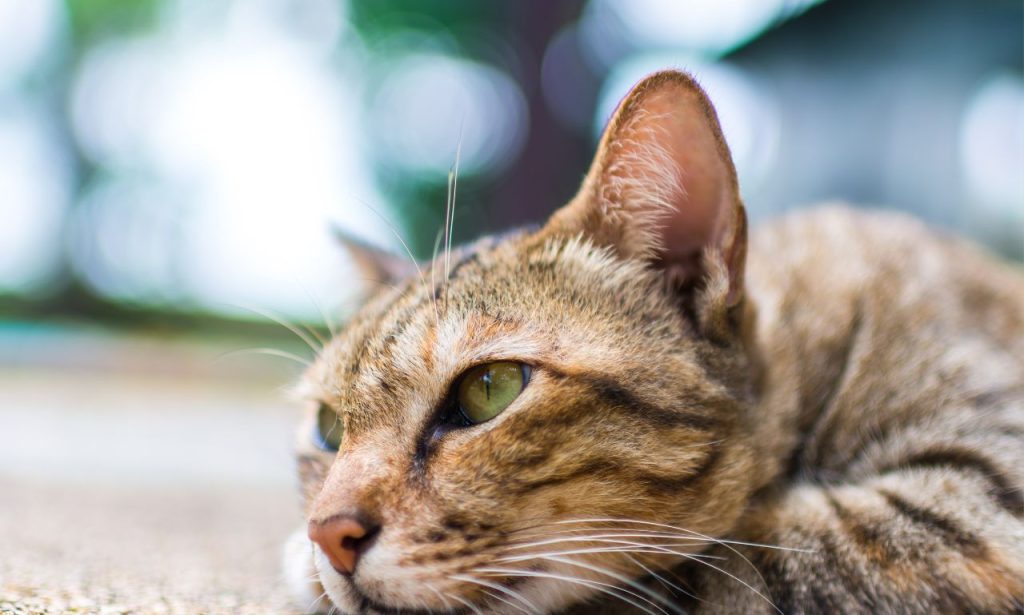
Extended isolation can affect a cat’s well-being in ways that aren’t immediately obvious.
The Emotional and Physical Effects of Prolonged Isolation
Lonely cats may experience chronic stress. Over time, stress can influence sleep patterns, appetite, and overall behavior.
Research in animal welfare has repeatedly shown that prolonged social deprivation can negatively impact mental health across many species, including companion animals.
Some cats become withdrawn and inactive. Others appear anxious or restless.
Physical health can suffer as well. Stress has been associated with conditions such as urinary tract issues, digestive disturbances, and weakened immune responses.
A cat’s emotional state and physical health are more connected than many owners realize.
Can Loneliness Lead to Destructive or Unwanted Behaviors?
Absolutely.
A lonely cat may scratch furniture more frequently, chew household objects, or engage in attention-seeking behaviors.
Excessive grooming is another common response. Some cats lick themselves so much that bald patches develop.
Animal shelters often share stories of cats surrendered for behavior problems that were later traced back to environmental stress and insufficient social interaction.
Behavior is communication. When cats act out, they’re often trying to tell us something important.
How to Keep Your Cat Happy and Stimulated While You’re Away
Fortunately, there are many practical ways to reduce loneliness and improve your cat’s quality of life.
Enrichment Ideas, Toys, and Environmental Improvements
Environmental enrichment can make a tremendous difference.
Window perches allow cats to observe birds, people, and outdoor activity. Puzzle feeders turn mealtime into a mentally stimulating challenge.
Interactive toys help satisfy hunting instincts, while cat trees provide opportunities for climbing and exploration.
Some owners find success using pet cameras that allow remote interaction during the day. Others leave soft background music or television programs designed specifically for cats.
Simple changes often create meaningful improvements.
Ask yourself: If you were spending eight hours in the same room, would there be enough stimulation to keep you engaged?
Should You Consider Getting a Second Cat for Companionship?
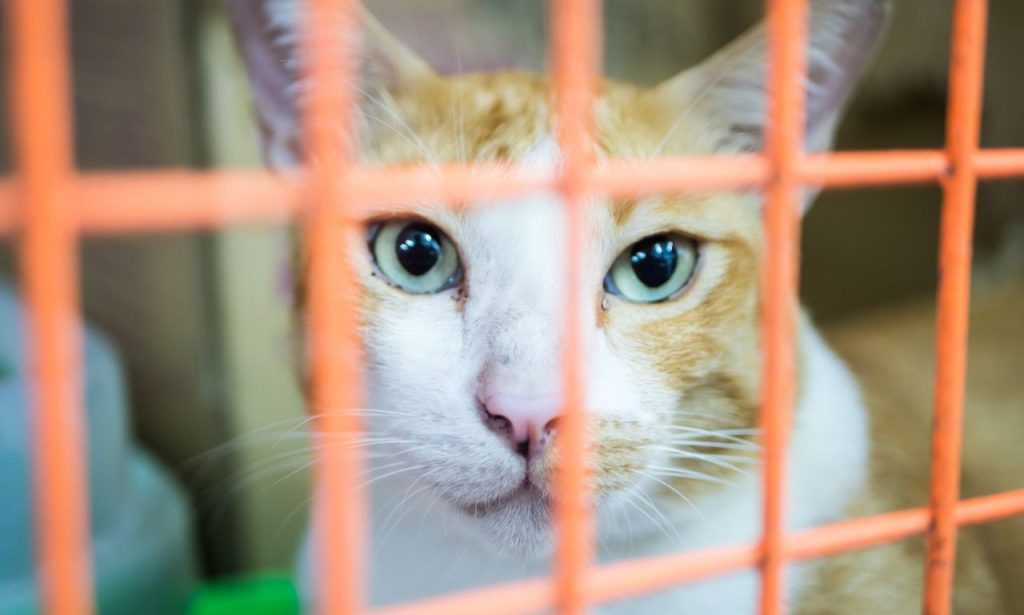
For some households, adding another cat can be beneficial.
Bonded pairs often groom each other, play together, and provide social interaction when humans are away. Many shelters even encourage adopting pairs because they adjust more easily.
However, a second cat is not a guaranteed solution.
Cats are individuals, and introductions require patience. An incompatible match can create additional stress rather than reducing loneliness.
Before adopting another pet, evaluate your current cat’s personality, available space, and resources. Consulting a veterinarian or feline behavior expert can help determine whether a companion would be beneficial.
Conclusion
So, Can Cats Feel Lonely When Left Alone? In many cases, yes.
Although cats are often portrayed as independent creatures, they can also form strong emotional bonds with people and other animals. Some adapt well to alone time, while others struggle when social interaction is limited.
Paying attention to behavioral changes, providing enrichment, and understanding your cat’s individual personality can go a long way toward preventing loneliness.
After all, a happy cat isn’t simply one with food and shelter. It feels secure, stimulated, and connected to the people and companions it trusts.
Also Read: Why Do Cats Stare at Walls for Long Periods?
FAQs
Yes. Many cats form strong attachments and may notice when their owners are absent for extended periods.
Most healthy adult cats can manage a typical workday alone if their needs are met and they have enrichment.
Some indoor cats can become lonely if they lack stimulation or regular interaction.
Increased vocalization, clinginess, changes in appetite, and reduced interest in play are common signs.
