

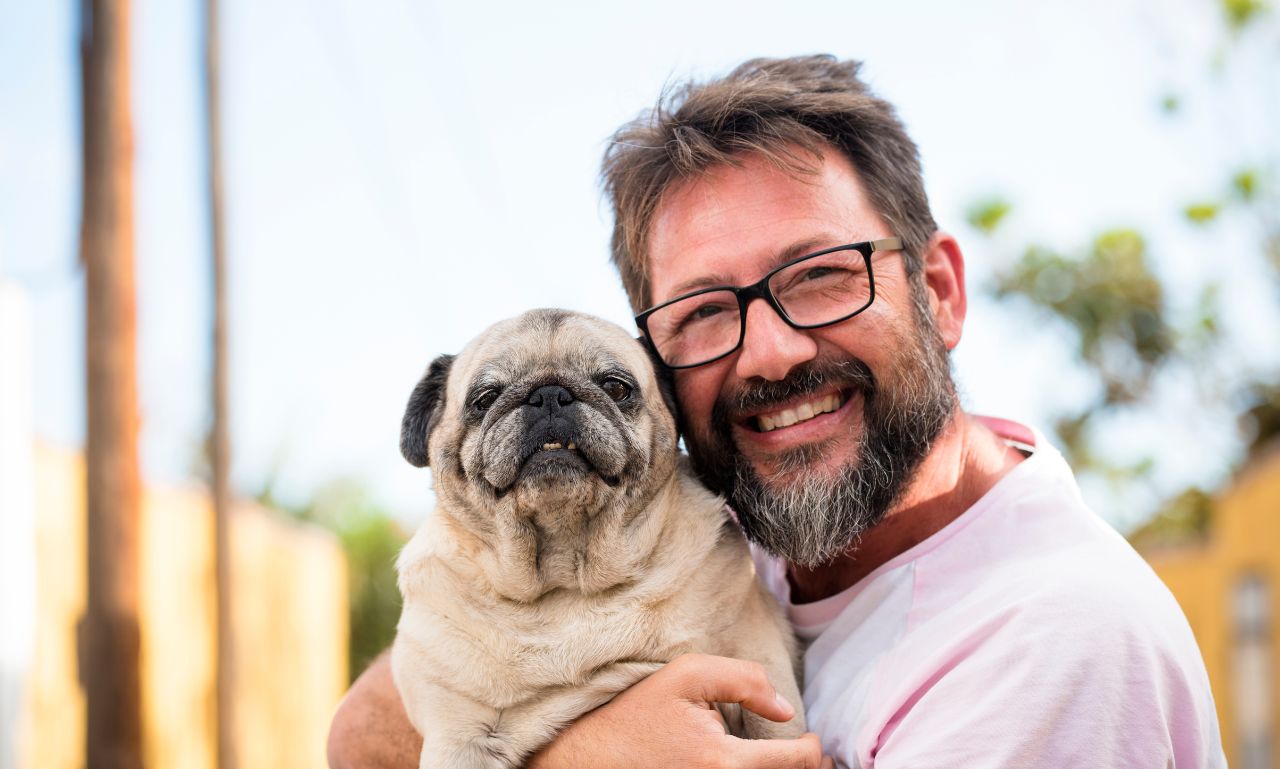
If you’ve ever come home after a long day and been greeted by a wildly wagging tail or a cat rubbing against your legs, you’ve probably wondered what’s really happening in your pet’s mind. Is it simply excitement about food, or do they genuinely recognize you?
The truth is far more fascinating.
Pets don’t identify their owners using a single clue. Instead, they rely on a combination of scent, voice, sight, memory, and emotional connection. Over time, these elements work together to create a detailed mental picture of the people they trust most.
Scientists have spent years studying how animals recognize humans, and the findings reveal just how remarkable our furry, feathered, and even small pocket-sized companions can be. Some pets can identify their owners from a distance, while others can remember familiar voices after long separations. In many ways, their recognition abilities are more impressive than we realize.
So, How Do Pets Recognize Their Owners? Let’s take a closer look at the science and the emotional connections behind one of the most special relationships in the animal world.
The Science Behind How Pets Identify Their Owners
Recognition develops over time. Every interaction your pet has with you helps build a mental library of information. Feeding times, walks, play sessions, cuddles on the couch, and even the sound of your footsteps contribute to this process.
Unlike humans, who often rely heavily on visual information, many animals prioritize other senses first. Their brains are constantly collecting clues and comparing them with past experiences. The more positive interactions they have with someone, the stronger those recognition pathways become.
How a Pet’s Sense of Smell Helps Them Recognize Humans
Imagine walking into a room blindfolded and instantly knowing who was there. That might sound impossible for humans, but for many pets, it’s an everyday experience.
Dogs are famous for their incredible sense of smell. Their noses contain up to 300 million scent receptors, compared to roughly 6 million in humans. This allows them to detect subtle differences in individual scents that people would never notice.
Every person carries a unique scent signature. Skin oils, sweat, hormones, and even the products we use create a distinct combination that pets can identify. To a dog, your scent is as recognizable as your face is to another human.
Cats also depend heavily on smell. While their noses aren’t quite as powerful as a dog’s, they still use scent to determine who belongs in their trusted circle. When cats rub against your legs or face, they’re not just being affectionate. They’re leaving scent markers that help strengthen familiarity.
Many pet owners notice this when returning from a trip. Before a pet even sees them, there’s often a reaction. A dog’s ears perk up. A cat heads toward the door. The scent arrives first, and recognition follows immediately.
Why Voice Recognition Plays an Important Role in Pet Recognition
Have you ever called your pet’s name from another room and received an instant response?
That’s because pets don’t just learn words. They learn voices.
Researchers at the University of Tokyo discovered that cats can distinguish their owner’s voice from unfamiliar voices, even when they appear to ignore everyone around them. It turns out that feline indifference isn’t always what it seems.
Dogs take voice recognition a step further. They associate certain tones, speech patterns, and words with specific experiences. A cheerful greeting often signals affection or playtime. A firm voice may indicate a command that requires attention.
Voice recognition becomes especially useful when pets can’t see their owners. A familiar voice provides comfort and reassurance. It’s one of the reasons many dogs calm down when they hear their owner speaking during stressful situations.
Over time, your voice becomes part of your pet’s identity. It’s another piece of the puzzle that helps them recognize you instantly.
Can Pets Recognize Their Owners by Sight?
Many people assume pets recognize owners the same way humans do—by looking at their faces. While vision certainly plays a role, it’s often only one part of a larger recognition system.
Pets pay attention to much more than facial features. They observe movements, habits, posture, and daily routines.
How Dogs, Cats, and Other Pets Use Visual Cues
Think about how easily you can identify a friend from across a parking lot. You might not see their face clearly, but their walk gives them away.
Pets do something similar.
Dogs are especially good at recognizing movement patterns. They can often identify their owners from a distance based on posture and walking style alone. Even if you’re wearing different clothes, familiar movements can signal who you are.
Cats notice routines and behaviors. They learn how you move through the house, where you sit, and how you interact with them. Those patterns become familiar landmarks in their daily lives.
Birds are surprisingly observant as well. Many parrot owners report that their birds recognize specific family members from across a room and respond differently depending on who approaches.
Visual recognition is less about appearance alone and more about the complete picture pets build over time.
Do Pets Recognize Human Faces and Facial Expressions?
Research suggests that many pets can recognize human faces, especially dogs.
A study published in Animal Cognition found that dogs can distinguish between familiar and unfamiliar faces. They may not process faces exactly as humans do, but they clearly use facial information in recognition.
Facial expressions matter too. Dogs are particularly sensitive to emotional cues. They often react differently when owners are smiling, stressed, or upset.
Anyone who has owned a dog has likely experienced this. Some seem to know you’re having a bad day before you’ve said a single word. They pick up on subtle changes in expression and body language that many people overlook.
Cats appear to rely less on facial recognition than dogs, but they still use facial cues alongside
scent and voice to identify familiar people.
The Role of Memory and Learning in Pet Recognition
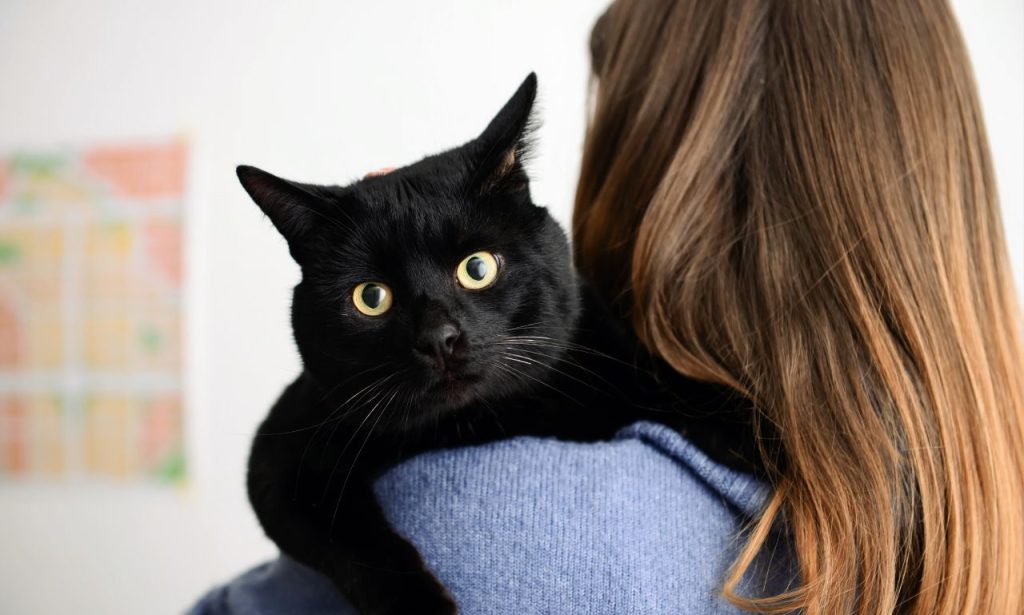
Recognition wouldn’t be possible without memory.
Every positive interaction contributes to a pet’s understanding of who you are. Over time, those experiences create lasting mental associations.
How Pets Store Memories of Their Owners
Pets learn through repetition and emotional significance.
Each walk, feeding session, game of fetch, or quiet evening on the couch becomes part of a larger memory network. The brain stores these experiences and links them to the person responsible for them.
Dogs are particularly skilled at remembering routines. Many know exactly when their owners typically return home. Some even wait by windows or doors shortly before arrival.
Cats form similar associations. They remember who provides food, affection, and security. Although they may express it differently, their memories of trusted people are often quite strong.
Recognition grows stronger as these positive experiences accumulate over months and years.
Can Pets Remember Their Owners After Long Periods Apart?
This question has inspired countless heartwarming reunion videos online.
The answer is often yes.
Animal shelters frequently report cases where dogs recognize former owners after months or even years apart. The reaction can be immediate and emotional, with excited barking, tail wagging, and affectionate behavior.
One famous example occurred after Hurricane Katrina, when several displaced pets were reunited with owners years after the disaster. Many showed unmistakable signs of recognition despite the lengthy separation.
The strength of the memory depends on the bond that existed before the separation. Strong relationships tend to create memories that last far longer than many people expect.
Emotional Bonds Between Pets and Their Owners
Recognition is about more than senses and memory. Emotion plays a major role too.
Pets don’t simply know who their owners are. They often form deep attachments that influence how they respond to them.
How Attachment and Trust Strengthen Recognition
Trust creates powerful connections.
Scientists have found that interactions between dogs and owners increase oxytocin levels in both. Often called the “love hormone,” oxytocin helps strengthen emotional bonds.
As trust grows, pets become more attentive to their owners’ behaviors, routines, and emotions. Recognition becomes easier because the relationship carries emotional importance.
Think about your closest friends. You recognize them instantly because they matter to you. Pets develop similar emotional familiarity with the people they trust most.
This bond explains why many pets seek comfort from their owners during stressful situations.
Do Pets Miss Their Owners When They Are Away?
Most pet owners already know the answer.
Yes, many pets do miss their owners.
Dogs often wait near doors, windows, or favorite resting spots while their owners are gone. Some become noticeably excited when they hear a car pull into the driveway.
Cats may seem independent, but studies suggest they form attachment styles similar to those seen in human children. Many show increased affection when owners return after being away.
Modern pet cameras have provided fascinating insights into this behavior. Countless owners have discovered their pets checking doors, pacing, or resting near entryways while waiting for them to come home.
Those actions suggest that recognition is tied closely to emotional attachment.
Differences in Recognition Among Various Types of Pets
Not all pets recognize people in the same way.
Different species rely on different senses, yet they all find ways to identify trusted humans.
How Dogs, Cats, Birds, and Small Pets Recognize Their Owners
Dogs rely heavily on scent while also using voice and visual cues. Their powerful noses often make them masters at recognizing their owners.
Cats place more emphasis on scent, routine, and learned behaviors. They may seem reserved, but they often know exactly who their favorite humans are.
Birds are remarkably intelligent and capable of recognizing faces, voices, and behavioral patterns. Some parrots even learn to imitate the voices of their preferred people.
Small pets such as rabbits, guinea pigs, and rats can also recognize familiar humans. They learn through scent, handling experiences, and daily interactions.
Recognition may look different across species, but the underlying process remains surprisingly similar.
Signs That Your Pet Knows and Trusts You
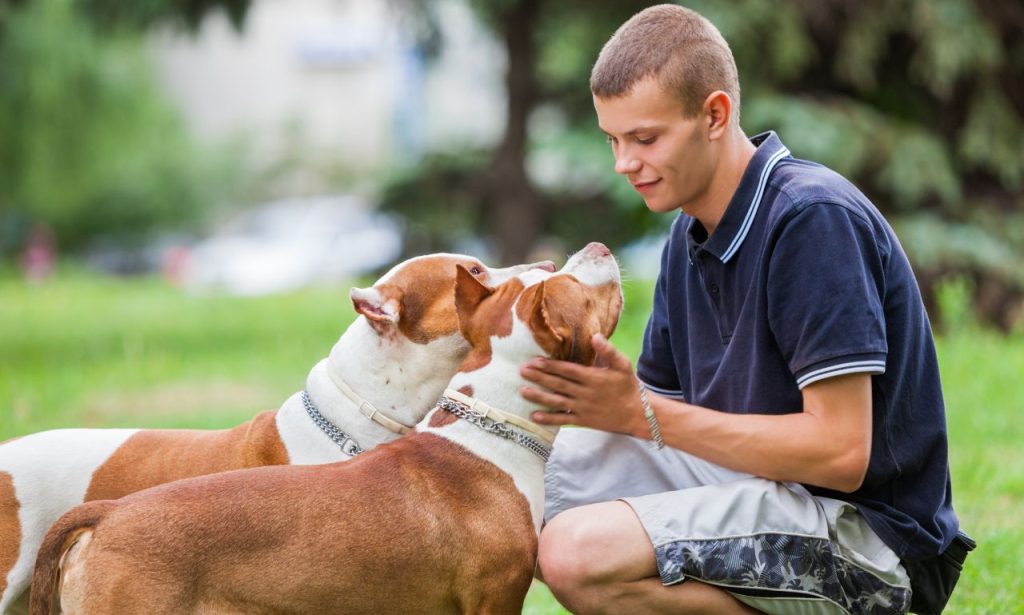
Recognition reveals itself through everyday behavior.
A dog that greets you enthusiastically, follows you around the house, or seeks physical contact is demonstrating trust and familiarity. Cats often show recognition by rubbing against you, purring, or relaxing nearby.
Birds may become more vocal when their favorite person enters the room. Rabbits frequently approach trusted owners with curiosity and confidence.
These behaviors are more than habits. They are signs that your pet recognizes you as a source of safety, comfort, and positive experiences.
Conclusion
So, How Do Pets Recognize Their Owners? The answer involves far more than a simple wag of the tail or a familiar meow.
Pets use scent, voice, sight, memory, and emotional bonds to identify the people who matter most to them. Every walk, cuddle, meal, and shared moment helps strengthen that recognition over time.
Perhaps that’s what makes the human-animal relationship so special. Recognition isn’t built overnight. It’s earned through trust, consistency, and countless small interactions that create lasting memories.
The next time your pet greets you at the door, take a moment to appreciate what’s really happening. You’re not just another person in the room. You’re someone they’ve learned to recognize, trust, and care about in their own unique way.
Also Read: Can Dogs Watch TV Without Harming Their Eyes?
FAQs
Yes. Dogs can identify their owners by scent, even without visual contact.
Yes. Research shows cats can distinguish their owner’s voice from unfamiliar voices.
Many pets, especially dogs, can remember owners after long separations when a strong bond existed.
