

If you’ve ever looked at your dog or cat and noticed reddish-brown streaks beneath their eyes, you’re not alone. Tear stains are one of the most common concerns pet owners discuss with groomers and veterinarians. While these marks often affect appearance, they can sometimes signal an underlying issue that deserves attention.
Many owners ask, What Causes Tear Stains in Dogs and Cats? The answer isn’t always straightforward. Several factors can contribute to excessive tearing, ranging from genetics and facial structure to allergies and infections.
Understanding the root cause is the first step toward keeping your pet comfortable and healthy. Let’s take a closer look at why tear stains happen, when they become a concern, and what you can do about them.
What Are Tear Stains and Why Do They Develop?
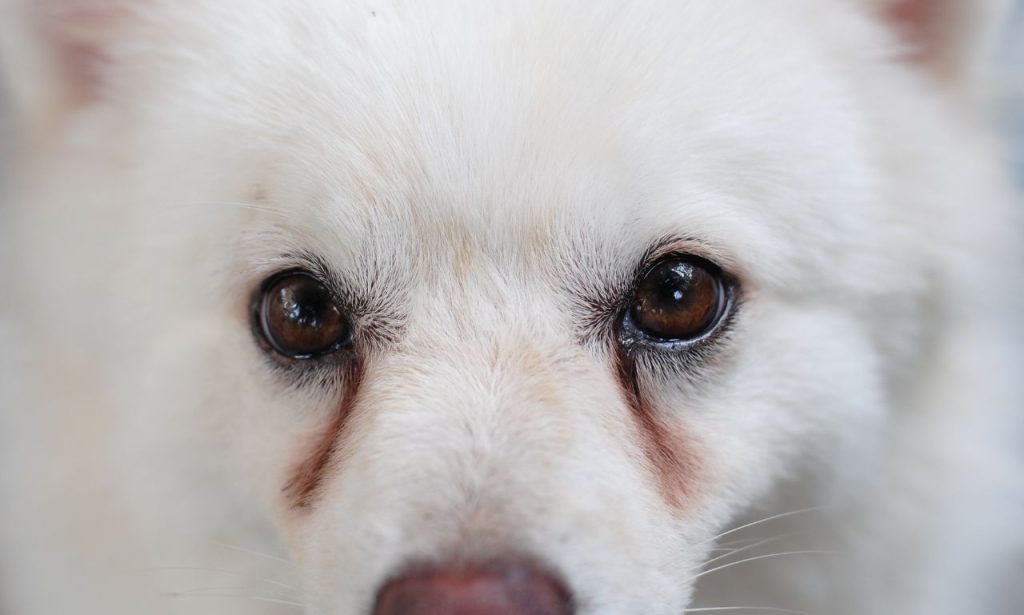
Tear stains are discolored marks that form beneath the eyes when tears overflow onto the fur. These stains are most commonly reddish-brown, although they can sometimes appear darker depending on the pet’s coat color.
The discoloration develops because tears contain compounds called porphyrins. These naturally occurring molecules contain iron. When tears remain on the fur for extended periods, exposure to air oxidizes them, leaving visible stains.
How Excessive Tearing Leads to Tear Stains
A healthy eye continuously produces tears to lubricate and protect its surface. Normally, those tears drain through tiny ducts located near the inner corners of the eyes.
Problems arise when tear production exceeds drainage capacity—excess moisture spills onto the face, saturating the surrounding fur. Over time, the porphyrins in the tears accumulate, creating the familiar staining pattern.
Veterinarians frequently see this issue in brachycephalic breeds, including Shih Tzus, Pekingese, Bulldogs, Persians, and Himalayans. Their facial structure often impairs tear drainage.
In some cases, excessive tearing results from eye irritation. Dust, smoke, pollen, and grooming products can all stimulate tear production. The eyes react as they would to any foreign substance: by producing more tears to flush the irritant away.
Why Tear Stains Appear More Noticeable in Light-Colored Pets
White and cream-colored pets often seem more prone to tear stains, but the reality is slightly different. The stains stand out more against lighter fur.
Breeds such as Maltese, Bichon Frises, West Highland White Terriers, and white Persians often show staining prominently because there is little contrast between the coat and the discoloration.
Dark-coated pets experience tearing too. However, the stains can remain hidden within the fur, making them less noticeable to owners.
Groomers often report that owners of white dogs seek stain removal services far more frequently, even when tear production is similar to that of darker-coated breeds.
Common Causes of Tear Stains in Dogs and Cats
Several factors can contribute to chronic tearing. Some are harmless and cosmetic, while others may require veterinary treatment.
Eye Anatomy, Blocked Tear Ducts, and Breed-Related Factors
Facial anatomy plays a significant role in tear stain development.
Many small dog breeds and flat-faced cats have shallow eye sockets and shortened nasal passages. As a result, tears may not drain efficiently through the tear ducts.
Blocked or partially obstructed tear ducts can also prevent normal drainage. This issue may be present from birth or develop later due to inflammation, injury, or infection.
In certain pets, hair growth around the eyes becomes a problem. Long facial hair can rub against the eye surface, causing irritation and stimulating additional tear production.
Entropion, a condition where the eyelid rolls inward, is another common culprit. The eyelashes rub against the cornea, creating discomfort and persistent watering.
Allergies, Infections, and Other Medical Conditions That Trigger Excessive Tearing
Environmental allergies affect pets much like they affect people. Pollen, mold spores, dust mites, and household chemicals can irritate the eyes and trigger excessive tearing.
Eye infections caused by bacteria or viruses may also increase tear production. Along with straining, owners often notice redness, discharge, squinting, or swelling.
Dental disease is an overlooked contributor. In some cases, infected upper teeth affect nearby tear ducts and interfere with drainage.
Certain cats experience chronic tearing due to upper respiratory infections. Feline herpesvirus, for example, can cause recurring eye inflammation throughout a cat’s life.
Even diet may play a role for some pets. While scientific evidence remains limited, veterinarians occasionally observe improvements when food sensitivities are identified and managed.
Are Tear Stains a Sign of a Health Problem?
Not every tear stain indicates illness. Still, it’s important to know when cosmetic staining crosses the line into a medical concern.
When Tear Stains Are Normal and Cosmetic
Many healthy pets develop mild tear staining without experiencing any discomfort.
Some breeds naturally produce more tears due to their facial structure. In these situations, the staining is largely cosmetic and does not affect the animal’s quality of life.
A veterinarian may examine the eyes and determine that tear production, drainage, and eye health are all normal. If so, routine cleaning and grooming may be all that’s needed.
Owners often feel relieved after learning the issue is cosmetic rather than medical. After all, a few stains are much easier to manage than an underlying eye disorder.
Warning Signs That Require Veterinary Attention
Certain symptoms should never be ignored.
Persistent redness, swelling, cloudy eyes, thick discharge, or frequent pawing at the face may indicate a more serious problem. Squinting and light sensitivity also warrant prompt evaluation.
Sudden changes deserve attention as well. A pet that develops excessive tearing overnight may have a foreign object, a corneal ulcer, or an infection that requires treatment.
Veterinarians often perform tear production tests, eye examinations, and tear duct evaluations to identify the cause.
When in doubt, it’s better to schedule an exam than assume the issue is harmless.
How to Remove Tear Stains Safely and Effectively
Once staining appears, many owners look for quick fixes. Unfortunately, some popular online remedies can do more harm than good.
Daily Grooming and Cleaning Methods for Tear Stain Management
Consistent grooming remains one of the safest and most effective approaches.
Gently wiping the area beneath the eyes each day helps remove moisture before stains become severe. Soft cloths and veterinarian-approved eye wipes are generally recommended.
Keeping facial hair trimmed can also reduce irritation and improve airflow around the eyes. Professional groomers often include this step when managing chronic staining.
Good hygiene helps prevent secondary skin infections as well. Constant moisture creates an environment where bacteria and yeast can thrive.
Have you ever noticed a sour odor beneath tear stains? That smell often results from microbial growth in damp fur.
Veterinary Treatments and Products That May Help Reduce Staining
Treatment depends on the underlying cause.
Blocked tear ducts may require flushing by a veterinarian. Allergies often improve with environmental management or prescribed medications.
If infection is present, appropriate antibiotics or antiviral treatments may be necessary.
Many commercial tear stain removers are available, but not all products deliver the same results. Veterinarians generally recommend choosing products specifically designed for pets and avoiding harsh chemicals near the eyes.
Years ago, some products contained low-dose antibiotics to reduce staining. Regulatory concerns and antibiotic resistance issues have made these products less common today.
How to Prevent Tear Stains in Dogs and Cats
Prevention focuses on reducing excessive tearing and maintaining long-term eye health.
Diet, Hydration, and Environmental Changes That Support Eye Health
Fresh water should always be available. Proper hydration supports overall eye function and helps maintain healthy tear production.
Some owners notice reduced straining after switching to high-quality diets with fewer artificial additives. Although results vary, balanced nutrition supports overall health and may benefit sensitive pets.
Environmental management matters too. Limiting exposure to smoke, dust, strong fragrances, and airborne irritants can help reduce eye irritation.
Regular cleaning of bedding and living areas may also decrease allergen exposure.
Long-Term Prevention Tips for Reducing Excessive Tearing
Routine veterinary checkups play a major role in prevention. Early detection of eye conditions often prevents more serious complications later.
Regular grooming keeps hair away from the eyes and reduces irritation. This is especially important for long-haired breeds.
Owners should also monitor changes in tear production. Catching problems early makes treatment easier and often less expensive.
Most importantly, avoid chasing miracle cures advertised online. Sustainable prevention usually comes from identifying and addressing the root cause rather than masking the symptoms.
Conclusion
So, What Causes Tear Stains in Dogs and Cats? In most cases, excessive tearing, facial anatomy, blocked tear ducts, allergies, infections, or underlying medical conditions are responsible. While many tear stains are cosmetic, others can signal health concerns that require veterinary attention.
The good news is that most cases can be managed successfully with proper grooming, regular eye care, and professional guidance when necessary. If your pet’s tear stains suddenly worsen or are accompanied by discomfort, a veterinary examination is the safest next step.
After all, those bright eyes deserve more than just a clean appearance—they deserve good health too.
Also Read: What Does It Mean When Dogs Sigh Loudly?
FAQs
Most tear stains are cosmetic, but severe tearing can sometimes indicate an underlying medical issue.
Food allergies or sensitivities may contribute to excessive tearing in some pets, although this is not the most common cause.
Daily cleaning with veterinarian-approved wipes and proper grooming are among the safest methods.
Seek veterinary care if you notice redness, swelling, thick discharge, squinting, or sudden increases in tearing.
