

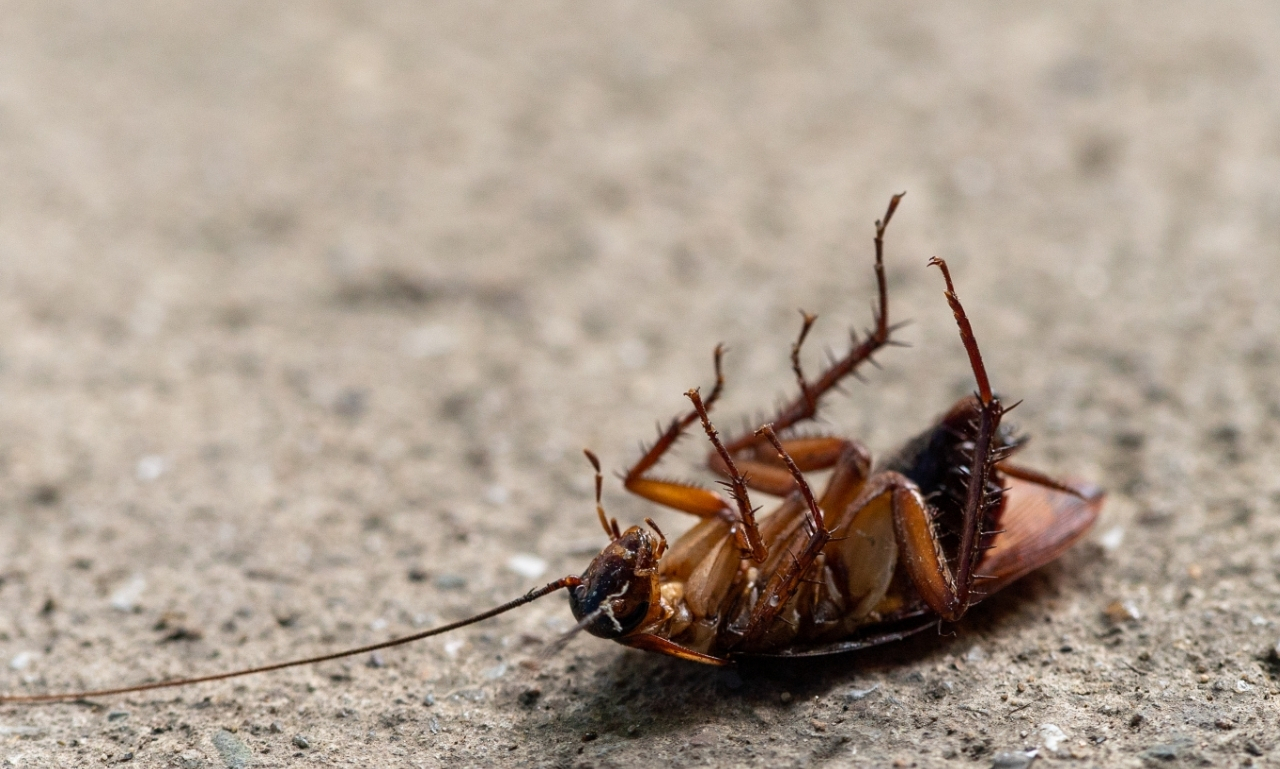
Why do cats bring dead insects into the house when they already have food, toys, and a comfortable place to sleep? The answer lies mostly in feline hunting instincts. A moth on the floor or beetle near a window may look insignificant to us, but to a cat, its movement can trigger a deeply rooted urge to stalk and capture prey.
The Hunting Instinct Behind Your Cat’s Interest in Insects
Domestic cats may live very different lives from their wild ancestors, but many of their basic behaviors remain remarkably familiar. Hunting is one of them.
A cat doesn’t need to be hungry to become interested in potential prey. Movement alone can capture its attention. This explains why a cat that has just eaten dinner may suddenly abandon its food to chase a moth across the room.
Why Domesticated Cats Still Have a Strong Predatory Drive
Cats are natural predators. Their bodies and senses are well suited to detecting, following, and capturing small animals. Sharp hearing helps them locate subtle sounds, while sensitive vision lets them notice movement quickly.
Once something catches their attention, a familiar sequence often begins. The cat watches, crouches, stalks, chases, pounces, and attempts to capture its target.
Domestication hasn’t erased this behavior. Regular meals can satisfy hunger, but they don’t necessarily remove the motivation to hunt.
This distinction helps explain some behavior that owners find confusing. A cat might ignore a bowl filled with food while spending several minutes stalking a tiny insect behind a curtain. Food addresses the need for calories. Hunting also provides physical activity, mental stimulation, and an opportunity to perform natural behavior.
Why Crawling and Flying Insects Are So Stimulating to Cats
Insects have several characteristics that make them difficult for curious cats to ignore.
A fly changes direction without warning. A moth flutters around lights. A beetle disappears beneath furniture and suddenly emerges somewhere else. These movements resemble features that naturally attract a predator’s attention.
Flying insects can be especially exciting because catching them requires timing and coordination. Cats may leap, swipe, chase, and wait patiently for another opportunity.
Indoor cats aren’t exempt. In fact, an insect entering a quiet home may become one of the most interesting things that has happened all afternoon.
What Bringing Dead Insects Home May Mean in Feline Behavior
Catching an insect explains only part of the story. The more puzzling behavior occurs when a cat carries its catch through the house and leaves it somewhere noticeable.
People often describe these objects as gifts. The real explanation is probably more complicated.
Why Do Cats Bring Dead Insects Into the House as “Gifts”?
The idea that a cat has lovingly presented its owner with a gift is appealing, but we can’t know exactly what an individual cat intends.
A social element may still be involved. Cats sometimes carry prey or prey-like objects into places associated with security and familiar members of their social environment. Mother cats also carry prey to their young as part of natural hunting-related behavior.
That doesn’t necessarily mean your cat believes you need hunting lessons. Nor does it prove the insect was deliberately selected as a present.
Owners often notice that cats bring captured objects into familiar spaces. Some even carry toys around the home the same way.
If a dead moth repeatedly appears beside your bed, your cat isn’t necessarily trying to disgust you. From the cat’s perspective, carrying captured prey into a familiar environment isn’t particularly strange.
Why Cats Carry Their Catch Back to Familiar Territory
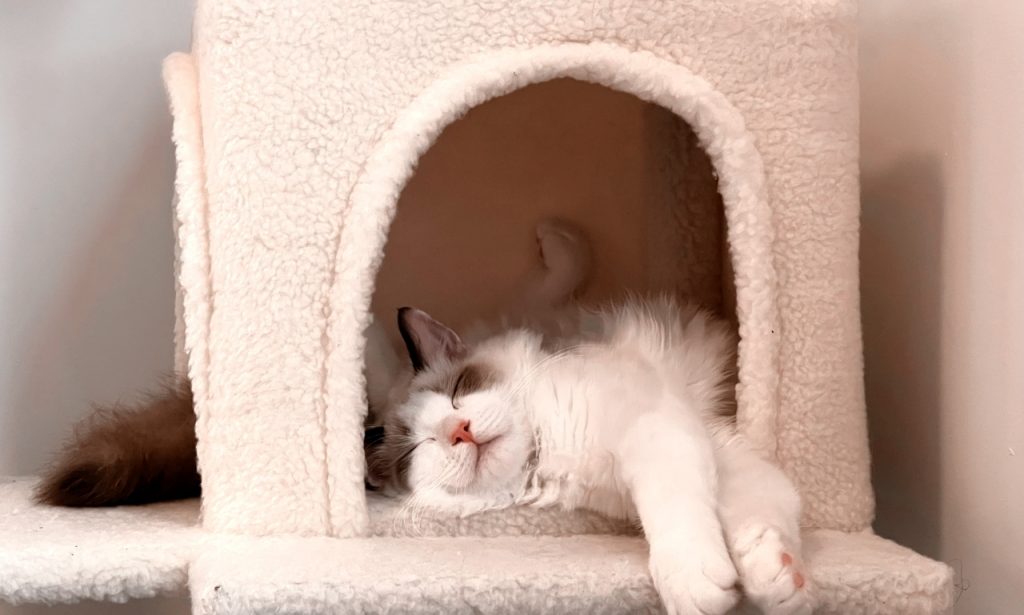
Home is usually where a domestic cat feels safest. It contains familiar scents, resting places, food, and predictable surroundings.
That security may help explain why prey comes inside.
An outdoor cat that catches something in an exposed location may carry it toward its core territory before investigating it further. Bringing prey home doesn’t always mean the cat intends to eat it. The animal might continue playing with the catch, leave it somewhere, or lose interest completely.
Indoor cats can show a smaller version of the same pattern. A cat may catch a bug near a window and carry it into another room before dropping it.
The destination can seem meaningful to humans, particularly when prey appears beside a bed or on a favorite chair. Sometimes, however, the explanation is that these places fall within the cat’s safest territory.
Why Cats Hunt Bugs Even When They Have Plenty of Food
One common assumption is that hunting indicates hunger. That seems logical, yet feline behavior doesn’t work quite so neatly.
The Difference Between Hunger and the Urge to Hunt
A well-fed cat can still be an enthusiastic hunter because the same motivation doesn’t control hunting and eating.
In nature, hunting opportunities aren’t guaranteed. A predator that waited until it became extremely hungry before reacting to prey could miss valuable opportunities. Cats therefore remain responsive to prey cues even when they don’t urgently need food.
This is why increasing a cat’s food isn’t a reliable way to stop insect hunting. Overfeeding may create a weight problem while leaving the underlying behavior unchanged.
The pattern can vary significantly between individuals. One cat may chase almost anything that moves. Another may watch an insect for several seconds before returning to sleep.
Age, personality, previous experiences, environment, and opportunities to hunt can all influence the behavior.
How Play Mimics the Natural Hunting Sequence
Watch a cat playing with a wand toy and many hunting behaviors become easy to recognize.
The cat may hide, stare, creep forward, rush toward the toy, grab it, and bite. Similar actions appear when a real insect enters the room.
Cats sometimes bat insects repeatedly instead of killing them immediately. To people, this can look as though the cat is deliberately tormenting its prey. Yet repeated touching and releasing can form part of prey handling and hunting behavior.
Play gives owners a useful way to channel these instincts. Toys that move unpredictably let cats stalk and pounce without relying on real animals.
What Owners Should Know When Cats Catch Insects Indoors
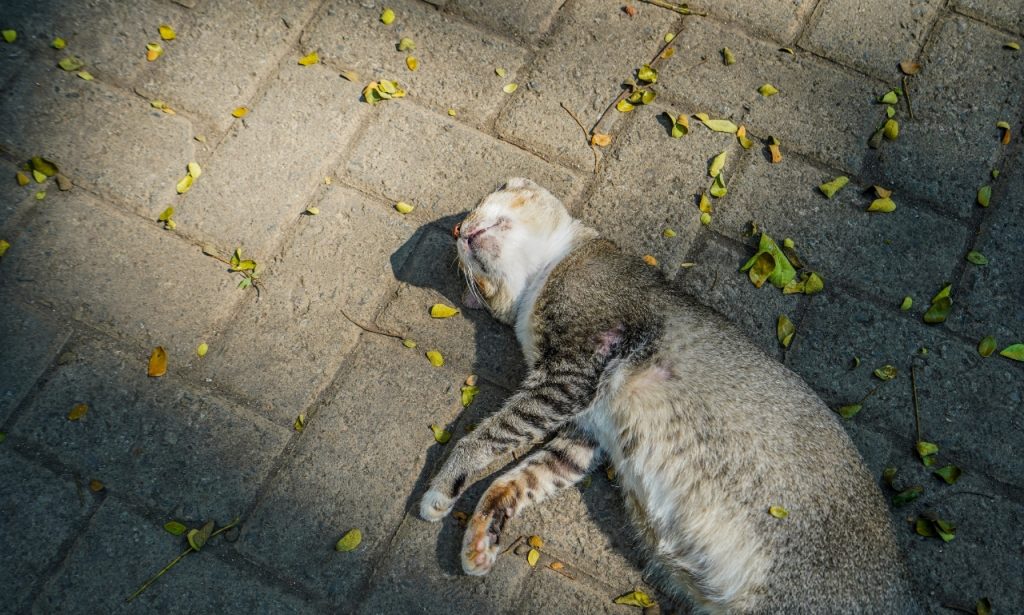
Most encounters with ordinary household bugs cause little drama. Still, owners shouldn’t assume every insect is harmless.
Can Catching or Eating Household Insects Be Dangerous?
Some insects can bite or sting. Others may produce irritating or toxic substances. Risk also depends heavily on where you live because local insect species differ.
Chemical exposure deserves attention too. An insect that has contacted insecticide may create another exposure route if a cat catches or eats it.
Owners should therefore know which potentially harmful insects occur locally and use pest control products carefully around pets.
If your cat develops swelling, repeated vomiting, excessive drooling, breathing difficulty, weakness, unusual behavior, or other concerning symptoms after catching an insect, contact a veterinarian promptly. Bring a photograph of the insect if you can safely identify it.
How to Safely Deal With Dead or Living Prey in the House
Remove dead insects without turning the situation into a confrontation with your cat. Use gloves or another suitable barrier when necessary, dispose of the insect, and clean the affected surface.
Avoid punishing the cat. Hunting is instinctive behavior, so shouting or frightening the animal won’t explain what you wanted it to do differently. Punishment may make the cat wary of you instead.
If the insect is still alive, keep the cat away while you remove it safely, especially when you don’t know the species.
How to Satisfy a Cat’s Hunting Instinct Without Real Prey
You probably can’t remove a cat’s hunting instinct, and that shouldn’t be the goal. A more realistic approach gives the animal safe opportunities to express it.
Using Interactive Play to Recreate Stalking and Catching
Interactive toys can recreate important parts of hunting. Wand toys are particularly useful because owners can make them hide, pause, dart, and change direction.
Allow the cat to stalk before making the toy move again. Give it opportunities to catch the toy, too. A game that remains permanently impossible to win may not provide the same satisfying sequence.
Puzzle feeders add another form of enrichment by making cats work for food. Climbing spaces, scratching areas, hiding places, and window views can also make an indoor environment more engaging.
Regular play becomes especially valuable for cats with limited outdoor access.
Reducing the Chances of Dead Insects Appearing Around the House
Prevention starts with reducing insect access rather than trying to suppress normal feline behavior.
Check window and door screens for damage. Seal obvious gaps where insects enter and avoid leaving doors open unnecessarily. Manage food waste, standing water, and other insect attractants.
Outdoor access creates a broader issue because cats may encounter birds, rodents, reptiles, and other wildlife as well as insects. Keeping cats indoors, using secure outdoor enclosures, or providing supervised outdoor time can reduce these hunting opportunities.
The aim isn’t to turn a predator into an animal without predatory instincts. It is to create an environment where those instincts have safer outlets.
Conclusion
So, why do cats bring dead insects into the house? Usually, the behavior reflects a mixture of hunting instinct, prey carrying, stimulation, and the security cats associate with familiar territory. It doesn’t necessarily mean your cat is hungry, and the popular idea of a deliberate “gift” is only one possible interpretation.
For owners, the most useful response is simple: remove the prey safely, watch for potential hazards, avoid punishment, and provide appropriate opportunities for stalking, chasing, and catching through play.
Also Read: How Often Should You Wash Your Pet’s Food and Water
Related Questions
Cats respond strongly to movement, sound, and other prey cues. Their behavior shows they distinguish active prey from objects that no longer move, although we can’t know how they understand life in human terms.
Watching is part of hunting. Cats may remain still while tracking an insect’s movements and waiting for a better opportunity to pounce.
Occasional chasing can provide stimulation, but owners should intervene if the insect could sting, bite, carry harmful chemicals, or otherwise pose a risk.
Some cats chatter or make short vocal sounds while watching inaccessible prey. The precise reason isn’t fully established, though excitement and predatory arousal may contribute.
Their movement certainly stimulates hunting behavior, but real insects aren’t necessary for enrichment. Interactive toys and structured play offer safer, more controllable alternatives.
