

Starting a small aquarium is exciting. Many first-time fish owners imagine colorful fish swimming peacefully in a compact tank on a desk, shelf, or countertop. The challenge is knowing which species can truly thrive in limited space.
A common misconception is that all fish can live comfortably in small aquariums. In reality, some species quickly outgrow their environment, while others struggle with changing water conditions. Choosing the right fish from the beginning can make the difference between a healthy aquarium and constant frustration.
If you’ve been asking yourself, What Beginner Fish Survive Best in Small Tanks?, you’re not alone. It’s one of the most searched questions among new aquarium hobbyists. The good news is that several hardy fish species do remarkably well in smaller setups when properly cared for.
Let’s explore the best options and learn how to create a healthy environment for them.
What Makes a Fish Suitable for a Small Tank?
Not every fish is designed for life in a compact aquarium. Certain characteristics make some species much more adaptable than others.
Key Traits of Beginner-Friendly Fish for Limited Spaces
The best beginner fish are usually hardy, peaceful, and able to handle minor fluctuations in water conditions. While no fish enjoys poor water quality, some species tolerate beginner mistakes better than others.
Small-bodied fish are often ideal because they require less swimming space. Species that naturally inhabit ponds, slow-moving streams, and densely planted environments tend to adapt more easily to confined aquariums.
Another important trait is low maintenance. Fish that accept common commercial foods and don’t require specialized care are much easier for new hobbyists to keep. Bettas, guppies, and several nano species fit this description perfectly.
Experienced aquarium store owners often notice a pattern. Customers who start with hardy fish are far more likely to remain in the hobby long-term because early success builds confidence.
Common Mistakes When Choosing Fish for Small Aquariums
One of the biggest mistakes is selecting fish based solely on appearance. Tiny juvenile fish may seem suitable for a small tank, but many grow surprisingly large.
Goldfish provide a classic example. They are frequently sold for bowls and small tanks, yet they can grow well beyond what most beginners expect. Many require significantly larger aquariums to remain healthy.
Overstocking is another common issue. New owners often assume a tank can hold more fish than it realistically should. Unfortunately, overcrowding leads to stress, poor water quality, and disease outbreaks.
Mixing incompatible species also causes problems. Some fish are territorial, while others prefer to live in schools. Understanding behavior is just as important as understanding size.
Best Beginner Fish That Thrive in Small Tanks
Several species consistently rank among the best choices for first-time aquarium owners.
Bettas, Guppies, and Other Top Choices for Small Aquariums
Betta fish are often considered the gold standard for small aquariums. Their vibrant colors, flowing fins, and unique personalities make them incredibly popular. A single betta can thrive in a properly filtered 5-gallon tank.
Guppies are another excellent option. These active fish come in countless color combinations and adapt well to community environments. Their hardy nature makes them ideal for beginners.
Platies are often overlooked but deserve attention. They are peaceful, colorful, and easy to care for. Unlike some tropical species, they tolerate a range of water conditions.
Endler’s livebearers also perform exceptionally well in small tanks. Similar to guppies but smaller, they bring constant movement and color to an aquarium.
Many hobbyists remember their first successful fish tank because it contained one of these species. Their resilience helps beginners learn the basics without becoming overwhelmed.
Nano Fish Species That Stay Small and Are Easy to Care For
Nano fish have become increasingly popular in recent years. These tiny species are well-suited to smaller aquariums.
Chili rasboras are among the smallest aquarium fish available. Despite their size, their bright red coloration creates a striking visual effect.
Celestial pearl danios, sometimes called galaxy rasboras, are another favorite. Their spotted patterns resemble tiny stars scattered across their bodies.
Neon tetras can also work in appropriately sized small tanks. They prefer to be kept in groups, creating beautiful schooling behavior.
Pygmy corydoras are excellent bottom dwellers for nano setups. They help add activity throughout the aquarium without requiring much space.
Many aquascaping competitions showcase nano fish because they complement planted tanks beautifully.
How Big Should a Small Fish Tank Be?
Tank size plays a critical role in fish health. Bigger isn’t always necessary, but extremely small setups create challenges.
Minimum Tank Size Requirements for Popular Beginner Fish
A single betta generally does best in a 5-gallon tank or larger. While smaller containers exist, stable water conditions are easier to maintain in larger volumes.
Guppies typically need at least 10 gallons when kept in groups. Their active nature benefits from additional swimming room.
Small schools of neon tetras often require 10 to 20 gallons of water. Even though individual fish remain small, schooling species need space to behave naturally.
Pygmy corydoras and celestial pearl danios usually thrive in tanks of around 10 gallons when kept in appropriate group sizes.
Many experienced aquarists follow a simple philosophy: buy the largest tank your available space and budget allow. Larger tanks often require less maintenance because water conditions remain more stable.
The Difference Between Small Tanks, Nano Tanks, and Bowls
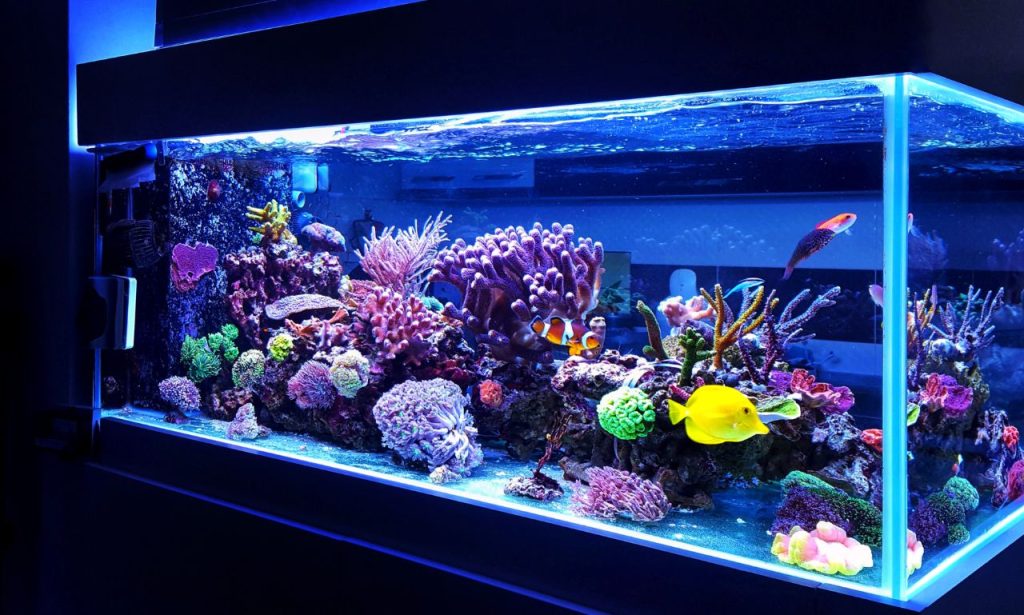
A small tank typically ranges from 5 to 20 gallons. These setups provide enough space for filtration, heating, and proper fish care.
Nano tanks are generally under 10 gallons. They can be beautiful but require closer monitoring because water chemistry changes quickly.
Fish bowls are often misunderstood. Most bowls lack filtration, heating, and adequate oxygen exchange. As a result, they are rarely suitable for long-term fish care.
Modern aquarium keeping has largely moved away from bowls in favor of small filtered tanks that support healthier aquatic environments.
How to Keep Fish Healthy in a Small Tank
Choosing the right fish is only part of the equation. Proper care ensures long-term success.
Water Quality, Filtration, and Temperature Essentials
Water quality is the foundation of every successful aquarium. Even hardy fish cannot survive poor conditions indefinitely.
A reliable filter helps remove waste and supports beneficial bacteria. These bacteria break down harmful compounds like ammonia and nitrite.
Temperature matters as well. Most tropical beginner fish prefer water between 75°F and 80°F. A quality heater helps maintain consistency.
Regular water testing is another habit worth developing. Monitoring ammonia, nitrite, nitrate, and pH levels can prevent many common problems before they become serious.
Many seasoned hobbyists will tell you the same thing: healthy water creates healthy fish.
Feeding, Tank Maintenance, and Preventing Common Fish Diseases
Overfeeding causes more issues than underfeeding. Excess food decomposes, polluting the water and increasing the risk of disease.
Most beginner fish only need small portions once or twice daily. Any food left uneaten after a few minutes should be removed.
Weekly water changes are equally important. Replacing a portion of the water helps dilute waste products and maintain stability.
Common diseases such as fin rot, ich, and fungal infections often stem from stress or poor water conditions. Prevention is usually easier and less expensive than treatment.
Want a simple tip that saves countless fish? Spend more time maintaining water quality than shopping for medications.
Conclusion
Choosing the right fish is the first step toward a successful aquarium. While many species struggle in confined environments, several beginner-friendly options thrive when given proper care.
Bettas, guppies, platies, and nano fish consistently rank among the best choices for smaller tanks. Pairing these species with good filtration, stable water conditions, and routine maintenance creates an environment where fish can flourish.
The next time someone asks, What Beginner Fish Survive Best in Small Tanks?, you’ll know the answer goes beyond selecting a hardy species. Success comes from matching the right fish with the right setup and maintaining healthy conditions over time.
Ready to start your first aquarium? Begin with a simple, properly sized tank and a hardy fish species. You’ll enjoy the hobby far more when your fish thrive from day one.
Also Read: Can Fish Get Stressed From Loud Music?
FAQs
A few guppies can live in a 5-gallon tank, but a 10-gallon setup is usually better.
Most fish bowls lack proper filtration and are not recommended for long-term fish care.
Most small tanks benefit from weekly partial water changes.
Yes. Filters help maintain water quality and create a healthier environment for fish.
