

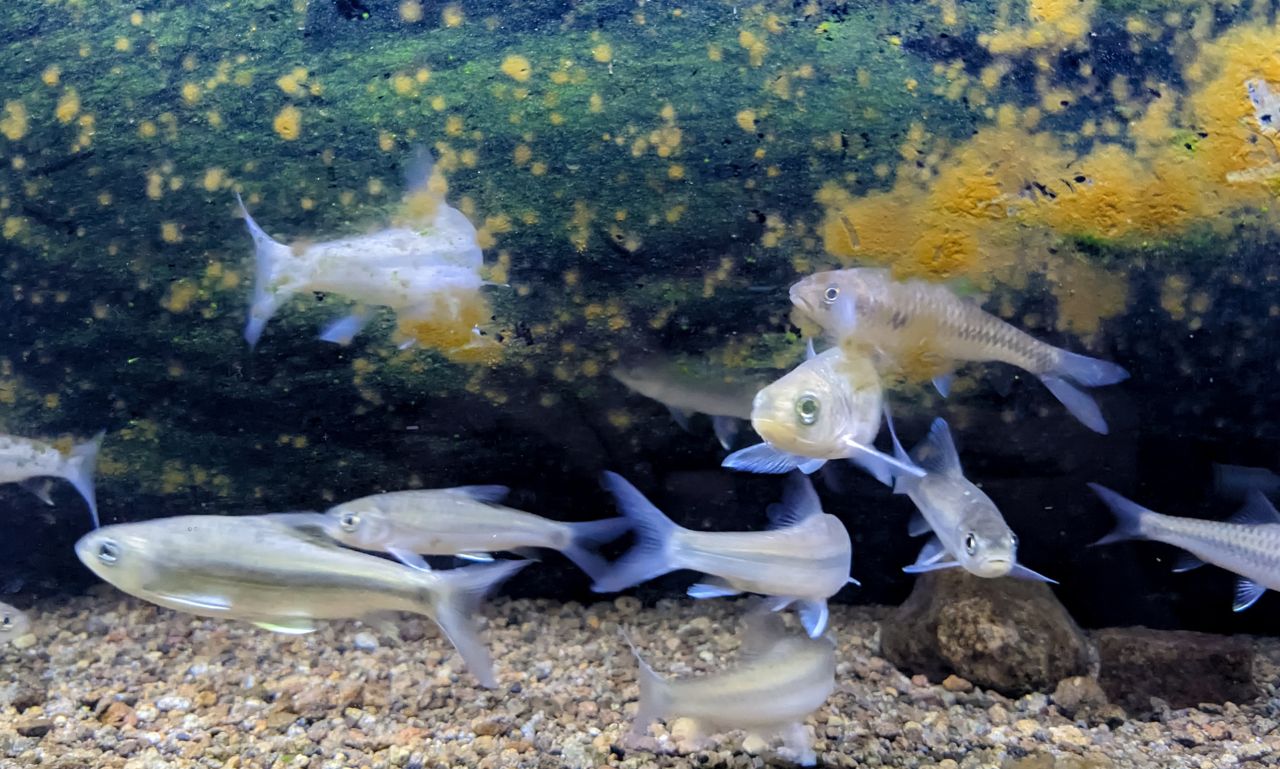
You set up a beautiful aquarium, stock it with healthy fish, and enjoy the crystal-clear water. Then, seemingly overnight, green patches begin appearing on the glass, decorations, and plants. Before long, the tank looks less like a carefully maintained aquarium and more like a pond in the middle of summer.
If you’ve ever wondered, Why Do Fish Tanks Grow Algae So Quickly?, you’re not alone. It’s one of the most common concerns among aquarium owners, from beginners to experienced hobbyists.
The truth is that algae growth is a natural part of every aquarium ecosystem. In fact, even public aquariums and professional fish breeders regularly deal with algae. The difference lies in understanding what causes it and how to keep it under control.
Let’s look at why algae grows so fast, the different types you might encounter, and the best ways to prevent and remove it without harming your fish.
How Excess Light Triggers Fast Algae Growth
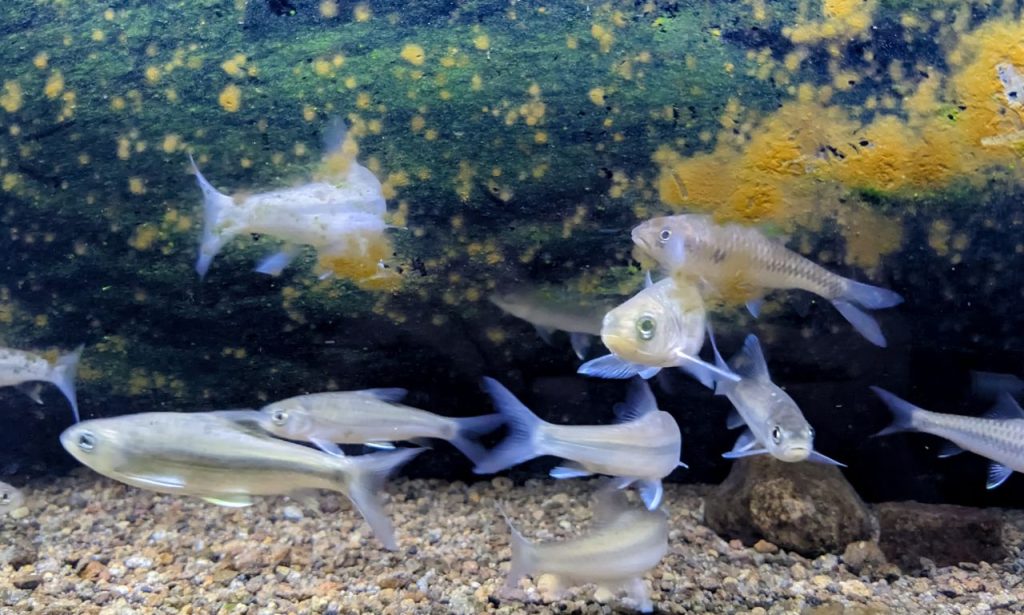
Light is one of the biggest drivers of algae growth. Since algae rely on photosynthesis, excessive light exposure acts like fertilizer for their growth.
Many aquarium owners place tanks near sunny windows because the natural light looks attractive. Unfortunately, direct sunlight can dramatically increase algae growth. Even a few hours of sunlight each day may trigger a green algae outbreak.
Artificial lighting can create similar problems. Leaving aquarium lights on for twelve to fourteen hours daily often gives algae more energy than aquatic plants can use. Once algae gain that advantage, it spreads rapidly across glass surfaces, decorations, and gravel.
Professional aquarium maintenance companies frequently recommend limiting light exposure to about eight hours per day for most freshwater tanks. Many successful hobbyists now use programmable timers because they eliminate guesswork and create a consistent lighting schedule.
Have you checked how long your tank lights stay on each day? The answer might explain a lot.
The Role of Nutrients, Fish Waste, and Uneaten Food
Light alone does not cause algae explosions. Nutrients play an equally important role.
Fish produce waste continuously. As waste breaks down, it releases nitrates and phosphates into the water. These compounds are essential nutrients for algae growth.
Uneaten food contributes to the problem as well. Every flake or pellet left to decompose becomes another source of nutrients. Overfeeding remains one of the most common mistakes among aquarium owners, especially those new to the hobby.
Research published by aquarium industry organizations consistently shows that nutrient buildup is a major factor behind recurring algae problems. Tanks with excessive nitrate and phosphate levels often experience persistent algae growth even when lighting is properly controlled.
Think of algae as nature’s cleanup crew. When nutrients become abundant, algae step in and use them efficiently.
What Are the Different Types of Aquarium Algae?
Not all algae look the same. Different varieties appear for different reasons, and identifying the type can help you choose the right solution.
Green Algae, Brown Algae, and Blue-Green Algae Explained
Green algae is the most common variety found in aquariums. It usually appears as green spots on glass or a thin green coating on decorations. In moderate amounts, it is generally harmless and often indicates a healthy aquarium.
Brown algae frequently appears in newly established tanks. It forms dusty-brown layers on surfaces and is often associated with silicates in water. New aquarium owners commonly encounter it during the first few months after setup.
Blue-green algae is a different story. Despite its name, it is actually a type of bacterium called a cyanobacterium. This slimy growth spreads quickly and can produce unpleasant odors. Left unchecked, it may harm aquatic plants and affect water quality.
Public aquarium staff often view blue-green algae as an early warning sign that water conditions need immediate attention.
Hair Algae, Black Beard Algae, and Other Common Varieties
Hair algae resembles long green threads waving in the current. It often attaches itself to plants, decorations, and driftwood. Once established, it can be difficult to remove manually.
Black beard algae is one of the most frustrating types for aquarium owners. It appears as dark, brush-like patches on surfaces and plant leaves. Many experienced aquarists consider it among the toughest algae varieties to eliminate.
You may also encounter green water algae, which turns aquarium water cloudy and green. This type can make it difficult to see fish clearly and often develops with nutrient imbalances and excessive lighting.
Each variety tells a story about what’s happening inside the tank. Learning to recognize them can save considerable time and frustration.
Is Algae in a Fish Tank Good or Bad?
Many aquarium owners assume all algae is harmful. Surprisingly, that isn’t always true.
The Benefits of Algae in a Healthy Aquarium Ecosystem
Small amounts of algae can actually benefit an aquarium.
Algae produce oxygen through photosynthesis, helping support aquatic life. Some fish species also graze on algae as part of their natural diet. Plecos, otocinclus catfish, and certain snails actively consume algae throughout the day.
In nature, algae serve as a foundation for many aquatic ecosystems. Rivers, lakes, and ponds all contain algae, and countless species depend on it for survival.
Many professional aquascapers accept a small amount of algae as a sign that biological processes are functioning normally. A completely algae-free tank is often harder to maintain than most people realize.
When Algae Becomes a Problem for Fish and Plants
Trouble begins when algae growth becomes excessive.
Heavy algae coverage can block light from reaching live plants. Over time, weakened plants struggle to compete and may eventually die.
Certain algae blooms can reduce oxygen levels at night, stressing fish and other aquatic organisms. Dense algae growth also affects the appearance of the aquarium, making it less enjoyable to view.
Some hobbyists joke that algae is like a houseguest. A little company is fine, but you don’t want it taking over every room.
The goal isn’t complete elimination. Instead, focus on maintaining balance.
How Can You Prevent Algae from Growing in a Fish Tank?
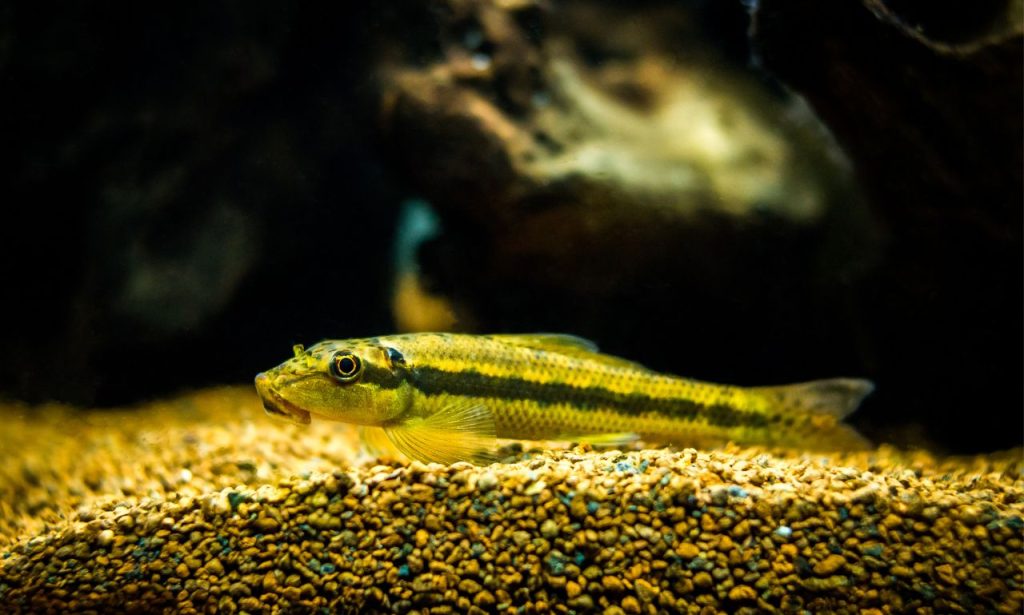
Prevention is far easier than dealing with a major algae outbreak.
A few consistent habits can dramatically reduce algae growth.
Best Lighting Practices for Algae Control
Managing light is one of the most effective strategies available.
Most freshwater aquariums perform well with six to eight hours of lighting daily. Using a timer helps maintain consistency and prevents accidental overexposure.
Tank placement matters too. Avoid positioning aquariums where direct sunlight hits the glass. Even indirect sunlight can contribute to algae growth over time.
Modern LED aquarium lights often include adjustable brightness settings. Reducing intensity when appropriate can limit algae while still supporting healthy plant growth.
Many successful aquarists treat lighting schedules the same way gardeners manage sunlight for delicate plants.
Water Changes, Filtration, and Proper Feeding Habits
Regular water changes remove excess nutrients before algae can use them.
A weekly water change of approximately twenty to thirty percent helps keep nitrate and phosphate levels under control. Consistency matters more than occasional large cleanings.
Good filtration is equally important. Quality filters remove debris and improve water circulation, making conditions less favorable for algae growth.
Feeding practices deserve attention as well. Fish should generally consume their food within a few minutes. Any leftover food should be removed promptly to prevent nutrient buildup.
One simple question can help prevent many algae problems: Are you feeding your fish because they’re hungry, or because they look hungry? Fish are excellent actors when it comes to begging for food.
What Is the Best Way to Remove Algae from an Aquarium?
Even with proper prevention, algae occasionally appears. Fortunately, several effective removal methods are available.
Natural Algae Removal Methods and Algae-Eating Fish
Nature often provides some of the best solutions.
Algae-eating fish can help keep growth under control. Siamese algae eaters, otocinclus catfish, and certain pleco species are popular choices for freshwater aquariums.
Many aquarium owners also use nerite snails because they consume algae without reproducing excessively in freshwater environments.
Live plants offer another natural defense. Healthy plants compete with algae for nutrients, reducing the resources available for unwanted growth.
While algae eaters can be helpful, they shouldn’t be viewed as miracle workers. Even the most hardworking fish cannot compensate for poor tank maintenance.
Cleaning Techniques and Long-Term Maintenance Strategies
Manual cleaning remains an important part of aquarium care.
Algae scrapers and magnetic cleaners work well for removing buildup from glass surfaces. Decorations can often be cleaned with aquarium-safe brushes during routine maintenance.
Gravel vacuuming removes waste and uneaten food before decomposition releases additional nutrients. Combined with regular water changes, this approach addresses the root causes of algae growth.
Long-term success comes from consistency rather than quick fixes. Experienced aquarium keepers understand that stable conditions produce better results than dramatic interventions.
The healthiest aquariums aren’t necessarily the cleanest. They’re the most balanced.
Conclusion
So, Why Do Fish Tanks Grow Algae So Quickly? The answer usually comes down to a combination of excess light, nutrient buildup, fish waste, and uneaten food. Since algae naturally exists in aquatic environments, some growth is completely normal.
Understanding the type of algae in your tank can help identify the underlying cause. More importantly, maintaining proper lighting, performing regular water changes, avoiding overfeeding, and supporting healthy filtration can prevent most algae problems before they start.
Every aquarium develops algae at some point. The difference between a thriving tank and a frustrating one is how effectively that growth is managed. With the right habits, you can keep algae under control and enjoy a healthy, attractive aquarium for years to come.
Also Read: What Causes Fish to Hide Constantly?
FAQs
Small amounts are generally harmless. Excessive algae can reduce oxygen levels and affect overall water quality.
Most tanks benefit from light algae cleaning during weekly maintenance and water changes.
Algae-eating fish help control growth, but they cannot replace proper aquarium maintenance.
Yes. Direct sunlight often accelerates algae growth by providing extra energy for photosynthesis.
