

Few things worry aquarium owners more than seeing a fish disappear behind rocks, plants, or decorations for days at a time. One moment your fish is swimming confidently around the tank, and the next it seems determined to stay out of sight.
If you’ve been asking yourself, What Causes Fish to Hide Constantly?, you’re not alone. This is one of the most common questions among both beginner and experienced fish keepers. While hiding can be a completely normal behavior, it can also signal stress, poor water conditions, illness, or problems within the tank environment.
Understanding why fish hide is important because fish often communicate through behavior long before physical symptoms appear. A fish that spends all day tucked away may be telling you something about its health or surroundings.
Let’s look at the most common reasons behind this behavior and what you can do to help.
Is It Normal for Fish to Hide All the Time?
Not every hiding fish is a cause for concern. In many cases, hiding is simply part of a fish’s natural behavior.
Natural Hiding Instincts and Survival Behaviors in Fish
Fish have been avoiding predators for millions of years. Even in the safety of a home aquarium, those instincts remain deeply rooted.
In the wild, many species spend significant portions of the day among rocks, submerged tree roots, caves, or dense vegetation. These hiding places protect from larger predators and reduce stress. As a result, many aquarium fish naturally seek shelter, especially when they feel uncertain.
A newly introduced fish often spends several days hiding while becoming familiar with its surroundings. This adjustment period is completely normal. During this time, the fish is learning where food appears, identifying potential threats, and establishing a comfort zone.
Occasionally observing a fish emerge to eat and then return to cover is generally a good sign. It suggests the fish is cautious rather than distressed.
How Different Fish Species Vary in Their Hiding Habits
Species differences play a major role in hiding behavior.
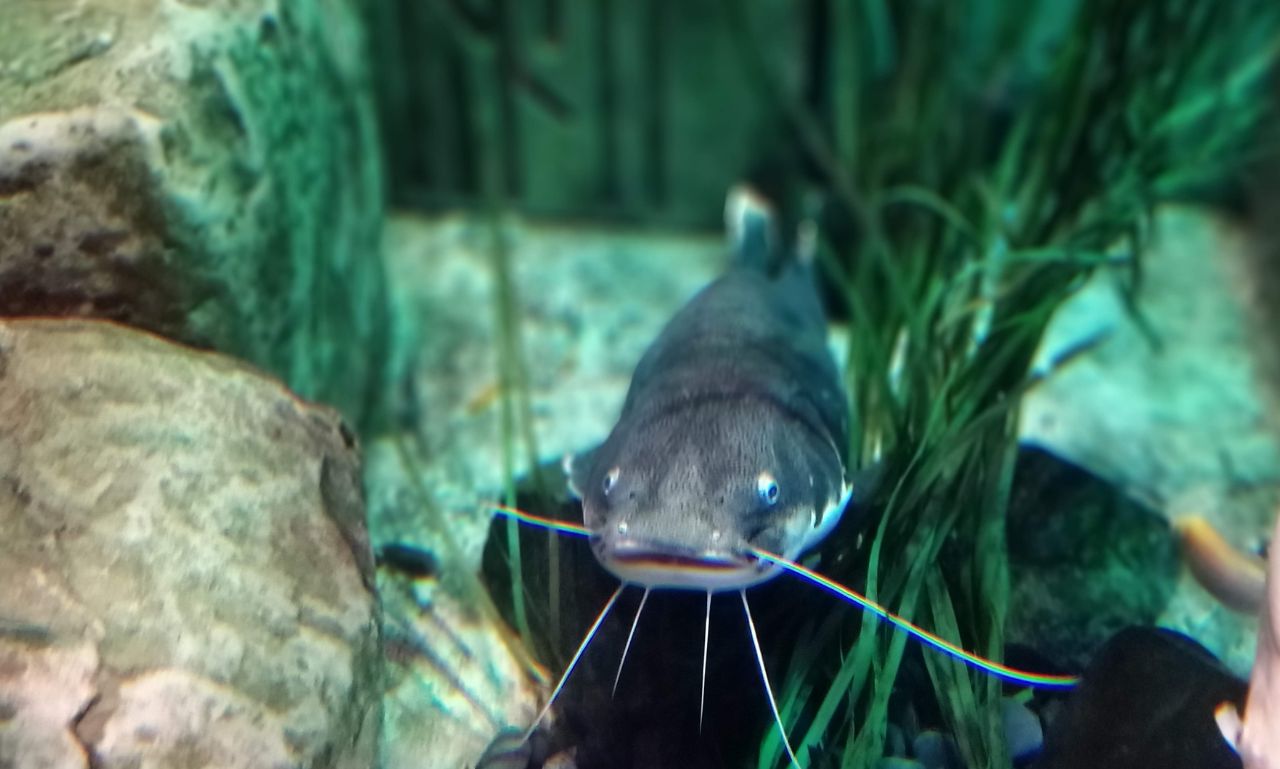
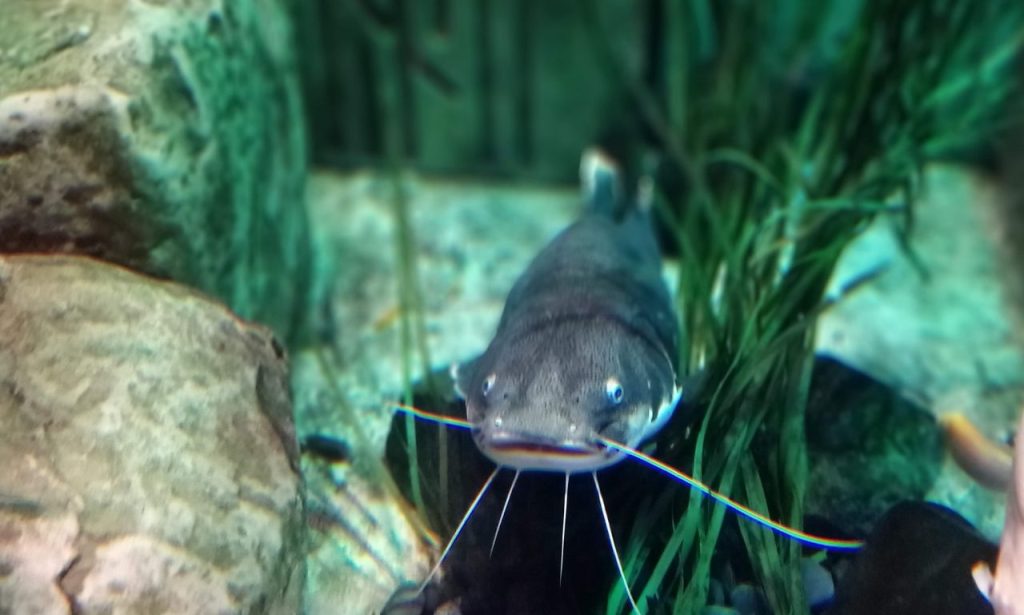
Plecos, kuhli loaches, and many catfish species are naturally shy. These fish often remain hidden during daylight hours and become active at night. On the other hand, fish like guppies, danios, and mollies are typically more visible and spend much of their time swimming openly.
Bettas can be unpredictable. Some become the stars of the aquarium, greeting owners whenever they approach. Others prefer spending time near plants or decorations.
Experienced aquarists frequently note that fish personality matters as much as species. Two fish of the same type can behave completely differently. One may confidently patrol the tank, while the other prefers to stay close to cover.
Common Reasons Why Fish Suddenly Start Hiding
A fish that has always been active but suddenly begins hiding deserves closer attention.
Stress from Changes in the Aquarium Environment
Fish are creatures of habit. Even small changes can trigger stress responses.
A tank relocation, new decorations, a recent cleaning session, or the introduction of new fish can make familiar surroundings feel unfamiliar. From the fish’s perspective, the environment has suddenly changed overnight.
Many aquarium hobbyists notice increased hiding after upgrading equipment or rearranging decorations. Although the tank may look better to us, the fish often sees a completely different landscape.
Noise and activity outside the tank can also contribute. Aquariums placed near televisions, speakers, or busy household areas may cause sensitive species to retreat more often.
Think about recent changes. Did you add new fish? Move the aquarium? Replace decorations? The answer often reveals the source of the problem.
Poor Water Quality and Unstable Tank Conditions
Water quality is one of the most overlooked causes of hiding behavior.
Fish live in their environment every second of their lives. Even slight increases in ammonia, nitrites, or nitrates can create discomfort. Unlike humans, fish cannot simply leave the room when conditions become unpleasant.
Research from aquarium industry organizations consistently shows poor water quality as a leading cause of fish stress and disease. Elevated ammonia levels are especially harmful because they irritate the gills and make breathing difficult.
Temperature fluctuations can create similar problems. A heater malfunction that causes sudden swings may leave fish stressed and reluctant to swim openly.
Regular testing provides valuable insights. Many fish owners discover water chemistry issues before noticing visible signs of illness.
Health Problems That Can Cause Fish to Hide
Sometimes hiding behavior points to underlying health concerns.
Illnesses, Parasites, and Physical Injuries
Fish often hide when they don’t feel well.
Diseases such as ich, fin rot, bacterial infections, and fungal outbreaks can cause a fish to withdraw from normal activities. Internal parasites may also weaken fish and reduce their energy levels.
Injuries deserve attention as well. A fish that tank mates have nipped may seek isolation while recovering. Torn fins, damaged scales, or bruising can make swimming uncomfortable.
One interesting observation shared by many long-term aquarists is that fish often stop displaying their usual personalities when sick. An active fish becomes quiet. A social fish suddenly isolates itself. These behavioral shifts frequently appear before physical symptoms.
Daily observation remains one of the most effective tools for detecting problems early.
Signs That Hiding May Indicate a Serious Health Issue
Hiding alone doesn’t always signal danger. However, when combined with other symptoms, it may indicate a serious issue.
Loss of appetite is often the first red flag. Fish that refuse food for several days require closer monitoring. Rapid breathing, clamped fins, discoloration, white spots, and unusual swimming patterns are also warning signs.
Pay attention to body condition. A fish that appears thin, bloated, or lethargic may need immediate intervention.
Veterinary experts specializing in aquatic animals often emphasize that behavioral changes should never be ignored. Fish rarely complain loudly. Instead, they communicate discomfort through subtle shifts in routine.
If visible symptoms accompany hiding, prompt action can make a significant difference.
How Tank Setup and Social Dynamics Affect Fish Behavior
The aquarium itself can strongly influence whether fish feel safe enough to remain visible.
Aggressive Tank Mates, Bullying, and Territorial Conflicts
Not all aquarium communities are peaceful.
Some fish establish territories and aggressively defend them. Others engage in constant chasing, fin nipping, or intimidation. The bullied fish often responds by hiding.
Cichlids are well-known for territorial behavior, but aggression can occur in many species. Even fish considered peaceful may become hostile when competing for food or space.
The challenge is that aggression isn’t always obvious. Owners may never witness the bullying because it occurs when they’re not watching.
Look for damaged fins, missing scales, or fish that immediately retreat whenever certain tank mates approach. These clues often reveal social conflicts.
A carefully balanced community usually results in more confident and active fish.
Lack of Hiding Spots, Lighting Issues, and Aquarium Design
Ironically, fish sometimes hide more when there aren’t enough hiding places.
When shelter options are limited, nervous fish may choose one inaccessible corner and remain there constantly. Providing caves, plants, driftwood, and decorations creates safe zones that encourage exploration.
Lighting also plays a role. Excessively bright lights can make some species feel exposed. In nature, many fish live under tree cover or among dense vegetation where sunlight is filtered.
Aquarium design influences behavior more than many people realize. Tanks that mimic natural habitats often produce healthier and more confident fish.
Imagine being placed in an empty room with nowhere to sit or relax. Most people would feel uncomfortable. Fish respond similarly.
How to Help a Fish That Is Constantly Hiding
Once you’ve identified possible causes, the next step is creating a more comfortable environment.
Steps to Reduce Stress and Improve Fish Confidence
Start with the basics.
Test water parameters and ensure ammonia and nitrite levels remain at zero. Verify that the temperature is appropriate for your species and remains stable throughout the day.
Limit sudden changes whenever possible. Fish thrive on consistency. Regular feeding schedules, stable lighting, and predictable maintenance routines help build confidence.
Adding live plants can also make a remarkable difference. Many species feel safer when surrounded by natural cover. As their confidence grows, they often spend more time swimming openly.
Patience matters too. Newly introduced fish may require several weeks before displaying normal behavior.
Ask yourself this question: if you were dropped into a completely unfamiliar environment, how long would it take before you felt comfortable?
Preventing Future Hiding Problems Through Proper Fish Care
Long-term success comes from prevention.
Research species compatibility before introducing new fish. A peaceful community tank is far less likely to experience stress-related issues.
Maintain regular water changes and consistently monitor water quality. Small problems are easier to solve before they become major ones.
Providing an environment that reflects a fish’s natural habitat is often the best strategy. Species that enjoy caves should have caves. Fish that prefer plants should have dense vegetation.
Experienced aquarists frequently describe fishkeeping as a balance between science and observation. Water chemistry matters, but understanding behavior is equally important.
When fish feel secure, healthy, and comfortable, they naturally spend more time exploring their surroundings.
Conclusion
So, What Causes Fish to Hide Constantly? The answer depends on several factors. Instincts, stress, poor water quality, illness, aggressive tank mates, and unsuitable aquarium setups can all contribute to excessive hiding.
In many cases, hiding is completely normal. Some species are naturally shy and prefer spending time under cover. However, sudden or prolonged hiding, combined with other symptoms, warrants closer investigation.
The good news is that fish behavior often improves once the underlying cause is addressed. By maintaining stable water conditions, providing suitable shelter, monitoring health, and creating a peaceful environment, you can help your fish feel secure enough to thrive.
The next time you notice a fish disappearing behind a decoration, take a moment to observe the entire tank. The clues are usually there—you have to know where to look.
Also Read: Why Do Fish Tanks Grow Algae So Quickly?
FAQs
Yes. Most new fish hide for several days while adjusting to their environment.
Absolutely. High ammonia, nitrite, or nitrate levels can stress fish and encourage them to hide.
If hiding continues for more than a week and is accompanied by other symptoms, investigate further.
Instincts, species-specific behaviors, and individual personality can lead to hiding even when conditions are ideal.
